
My Camera Story
I have now been taking photographs for over 50 years.
These days, I mostly take photographs during the blue hour and at night. These are the most beautiful shots for me. The many lights and colours are simply unique. My subjects: portraits, concerts, events, corporate occasions, macro, landscapes, time-lapse, architecture, real estate, night photography, HDR, drone photography and art (e.g. star trails, photographs with light, smoke, etc.).
These days, I mostly take photographs during the blue hour and at night. These are the most beautiful shots for me. The many lights and colours are simply unique. My subjects: portraits, concerts, events, corporate occasions, macro, landscapes, time-lapse, architecture, real estate, night photography, HDR, drone photography and art (e.g. star trails, photographs with light, smoke, etc.).
1973
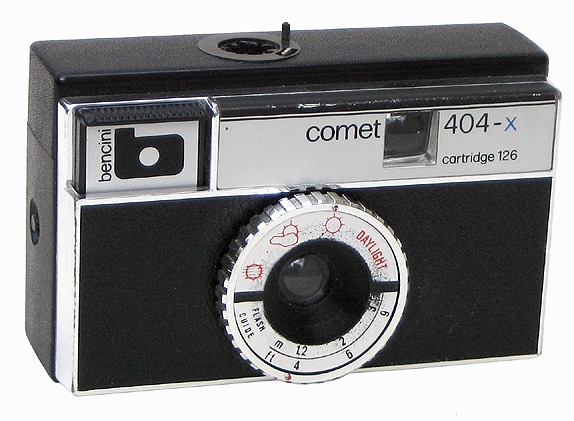
I had my first camera when I was just 8 years old
Photography has accompanied me for almost my entire life. I received my first camera for Christmas when I was 8 years old. The films came in a cassette that was inserted into the camera. The camera had only 3 settings: rain, cloudy and sunny. You did not even have to set the focus. I took photographs with this small camera for around 4 years. Incidentally, the image format was square, and the developed pictures were 9 x 9 cm.
1977
My First Compact Camera
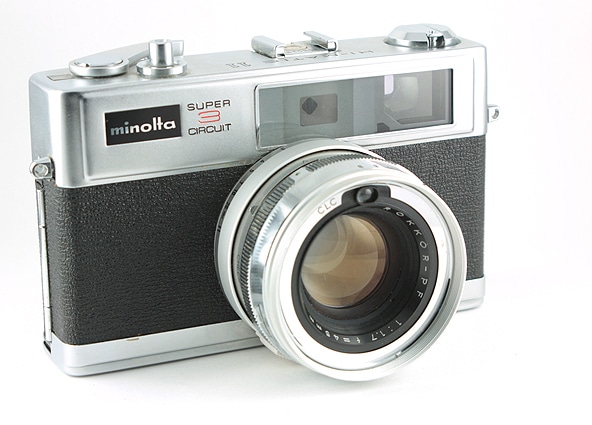
When I was 12, I received my grandfather's old camera, a Minolta Hi-Matic 11. The fast fixed-focal-length lens (1:1.7/45mm) was permanently attached to the camera. This camera was equipped with a light meter and had a fully automatic mode in which the shutter speed and aperture were set automatically. However, it was also possible to set everything manually.
1981
My First SLR Camera
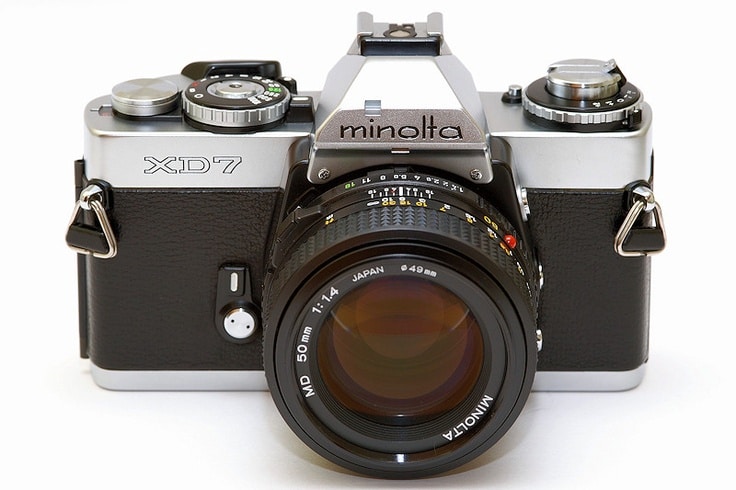
For my confirmation, I asked for money to buy an SLR camera. I bought the Minolta XD7 with a zoom lens. At that time, it was a professional camera. The pictures were much better than those taken with my two previous models. This was not only because of the camera itself, but also because the zoom lenses finally allowed me to frame the desired composition. Taking snapshots was almost impossible, as the focus had to be set manually. Autofocus was not yet available.
1990
My first autofocus camera
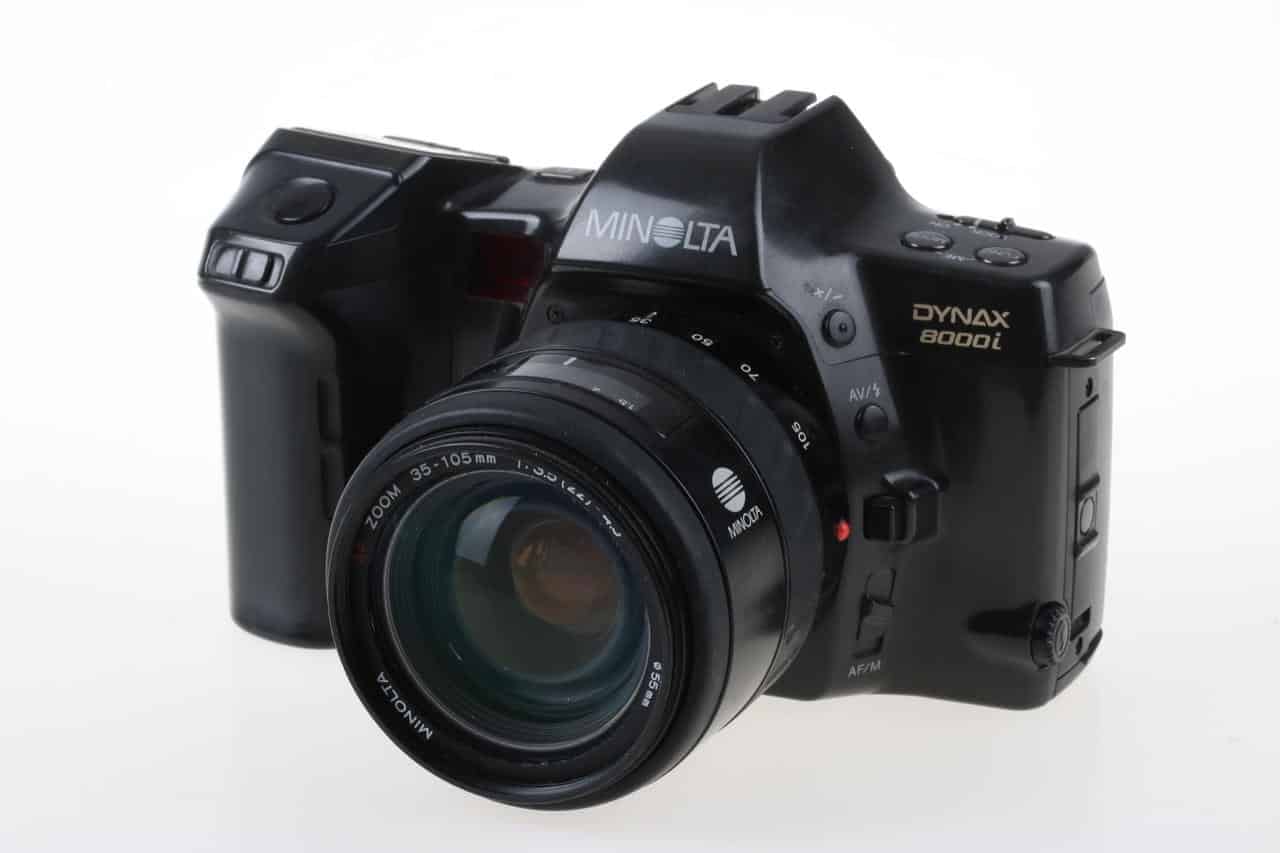
It was not until 9 years later, when autofocus had become established, that I bought a Minolta Dynax 8000i. I took a great many photographs with this camera. It accompanied me for many years. Even today, this camera's autofocus still holds its own. It is only recently that today's digital SLR cameras have been able to keep up with its speed.
2000
I grew tired of analog photography
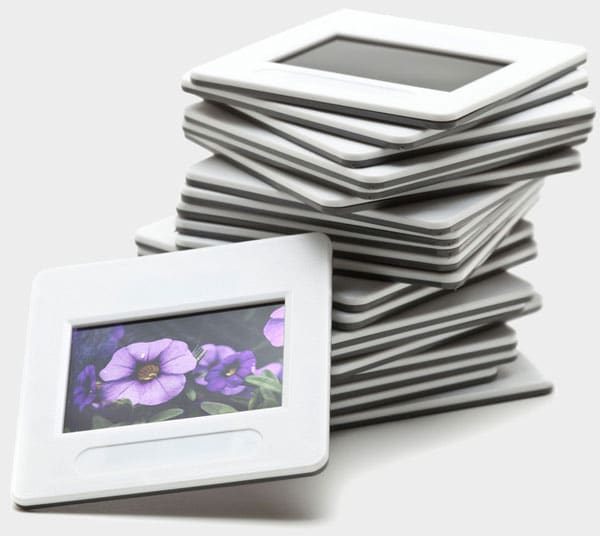
Back then, the photographs could only be viewed days after they had been taken. If mistakes were made when taking a picture, you would not notice them until after the film had been developed, and in most cases the photos could not be retaken. I did not find this very practical. That is why the invention of digital cameras was exactly right for me, and my passion for photography grew even stronger. However, it took several more years before this new technology was truly usable.
2001 -2004
It took time for digital cameras to mature
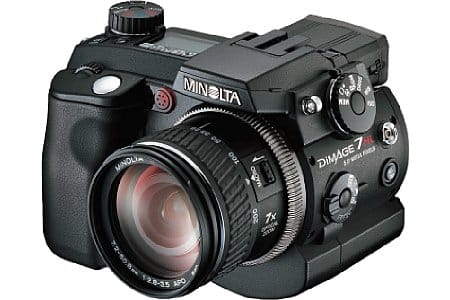
When it came time to buy a new digital camera, I wanted to buy another Minolta. However, Minolta only began focusing on digital technology very late. So, before buying my first digital SLR from Minolta, the Dynax 7D, I first bought three Minolta bridge cameras (Dimage 7, 7i, 7Hi).
2004
First digital SLR camera
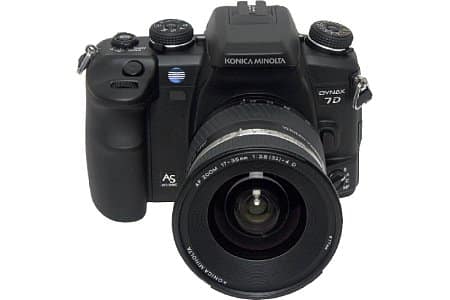
But at last, Minolta was also able to offer a digital SLR camera. With the Dynax 7D, Minolta brought a very good camera to the market, but unfortunately far too late.
2006
Minolta acquired by Sony
Minolta was one of Japan’s oldest camera manufacturers and, until 2003, the world’s third-largest after Canon and Nikon. The company existed from 1928 to 2006. Sony acquired part of the AV-DSLR systems, including some interchangeable lenses.
2007
Sony’s First Digital SLR
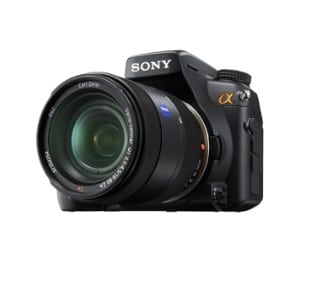
With the A700, Sony brought the first usable SLR camera to the market. Naturally, I had to buy it right away.
2012
Sony Cameras with a Fixed Mirror
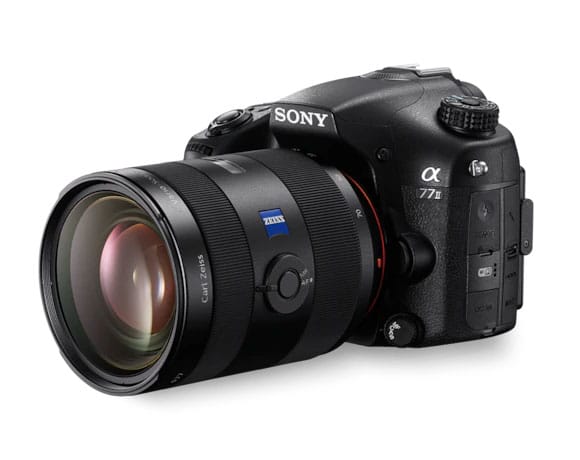
With the A77, Sony brought the first camera with a light-transmitting fixed mirror to the market.
When the A77 II came onto the market, I switched cameras.
When the A77 II came onto the market, I switched cameras.
2012
First Digital Full-Frame Camera
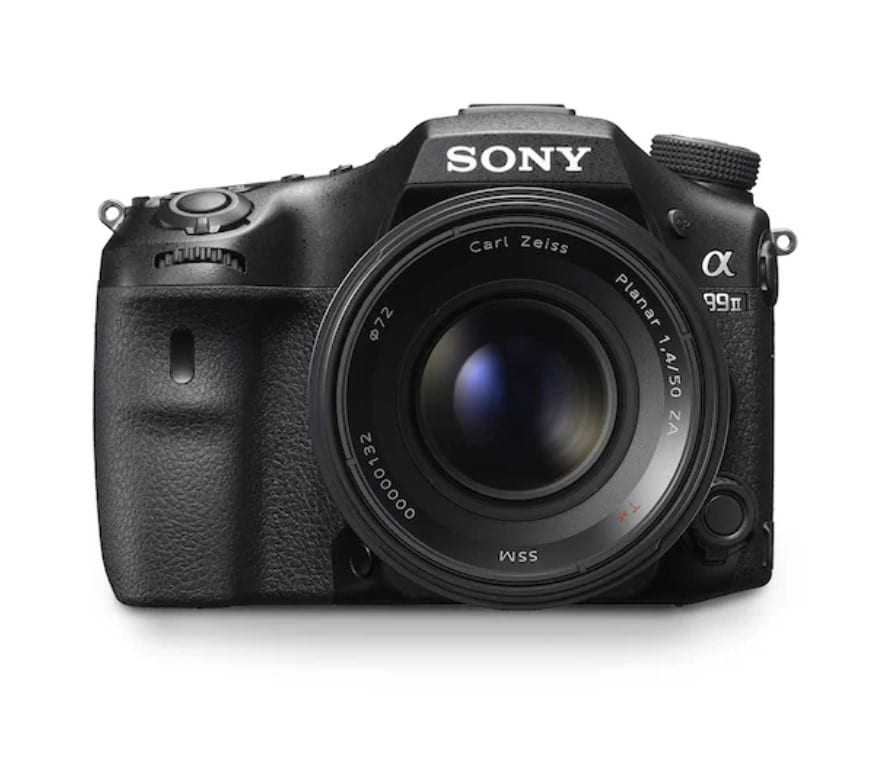
With the A99, Sony brought the first digital full-frame camera to the market. The image quality of my photos had improved considerably.
2015
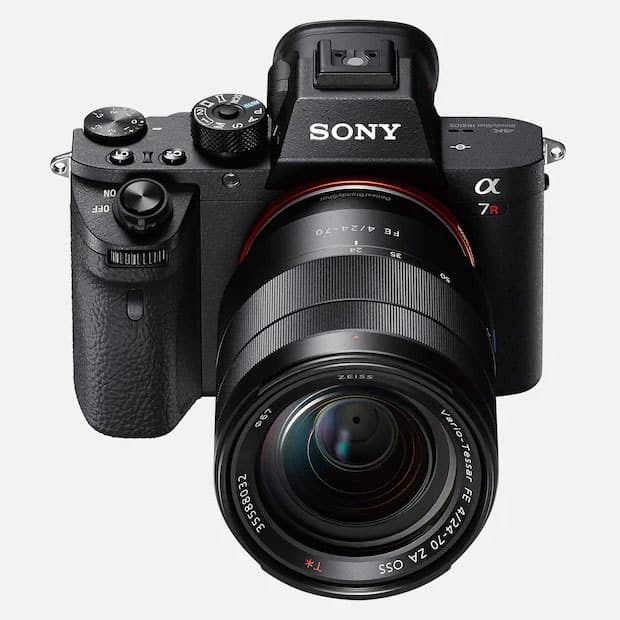
Sony's first mirrorless camera
The A-mount and the associated camera technology have reached the end of their life. Development is being discontinued. I therefore switched to the E-mount and bought the mirrorless A7RII. This meant that I had to replace all my lenses so that I could take full advantage of the E-mount.
I also switched to the following cameras in the 7 series: A7RIII, A7RIV
I also switched to the following cameras in the 7 series: A7RIII, A7RIV
2017
First professional camera
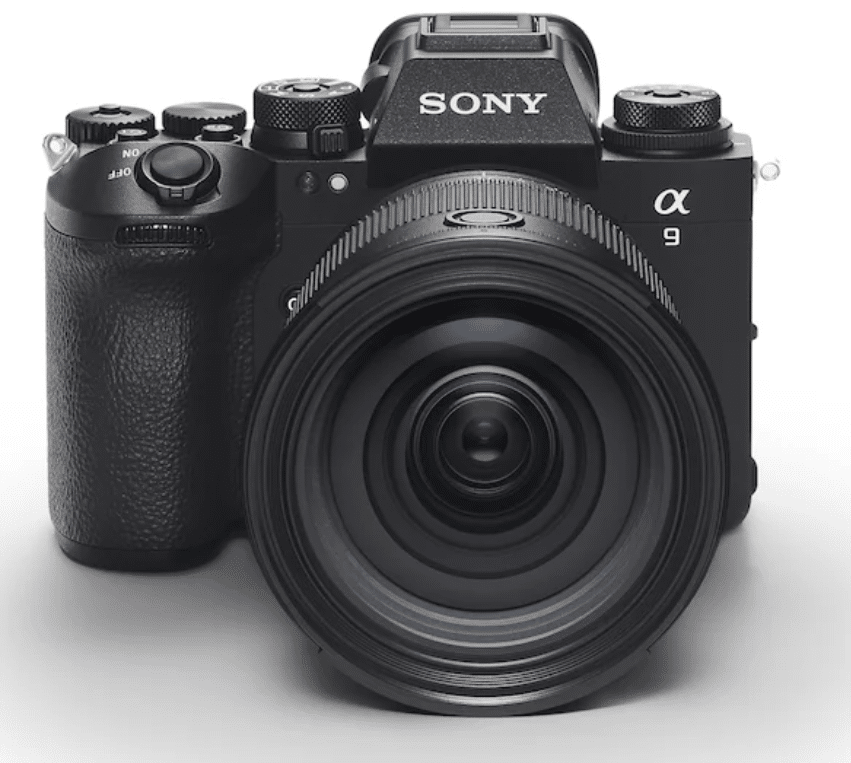
Sony finally entered the professional category. The two major competitors still believed that mirrorless cameras were unnecessary. With the A9, Sony launched the fastest full-frame camera on the market.
2019
Getting started with drone photography
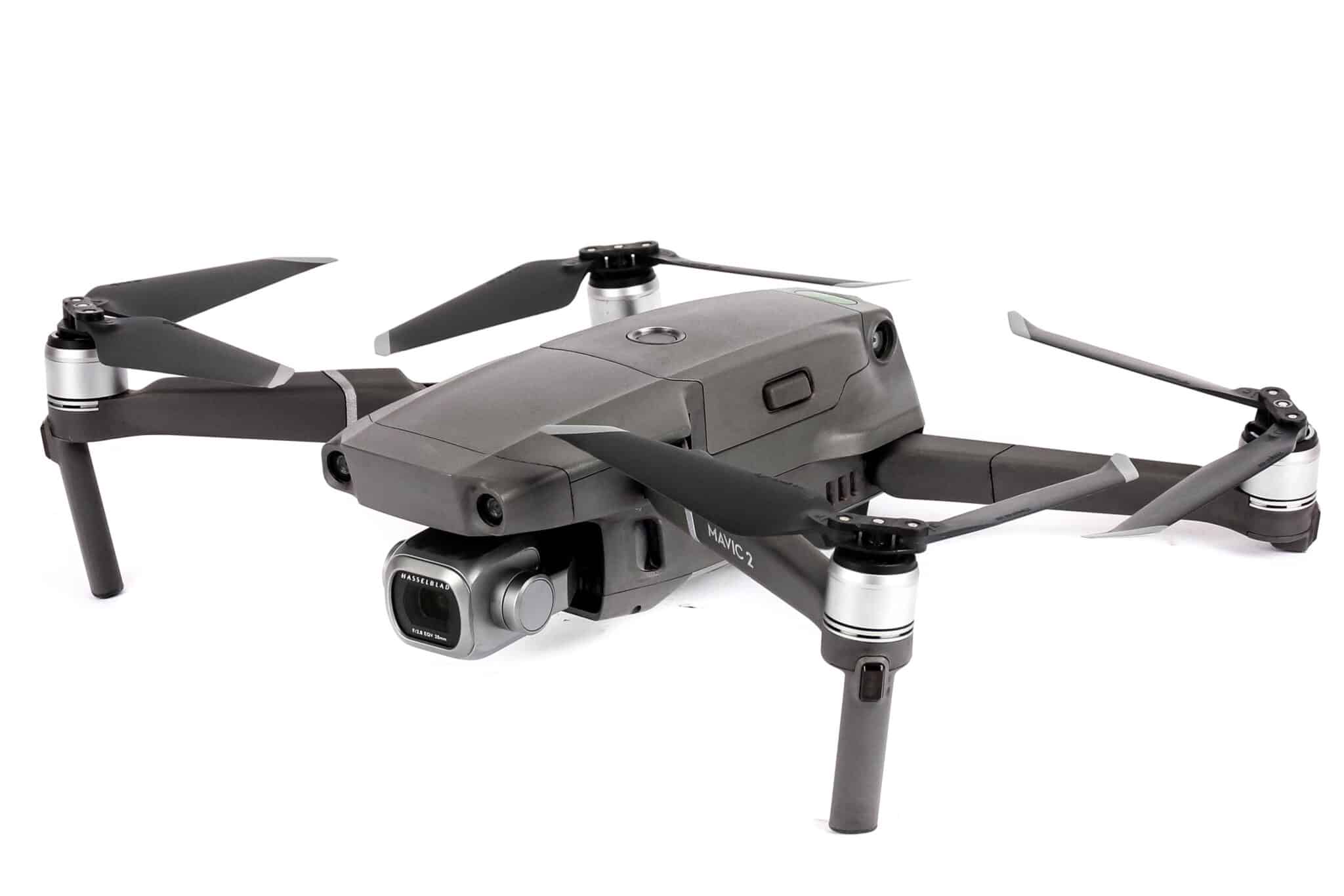
I hesitated for a long time before buying a drone, as it can often cause problems with local residents. While on holiday in Portugal, I saw a photographer taking cool shots from inaccessible angles, and I could no longer resist.
2021
Fastest full-frame camera
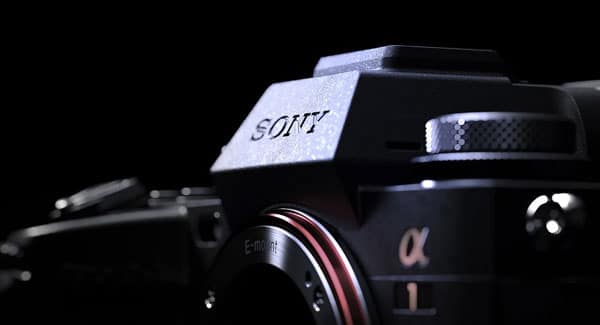
What was previously impossible is now made possible by Sony with the A1. The camera is very fast (30 frames/s), has a high-resolution 50 Mpx sensor, and can still deliver very good autofocus performance and low image noise in extremely low light. With this camera, the impossible becomes possible.
2022
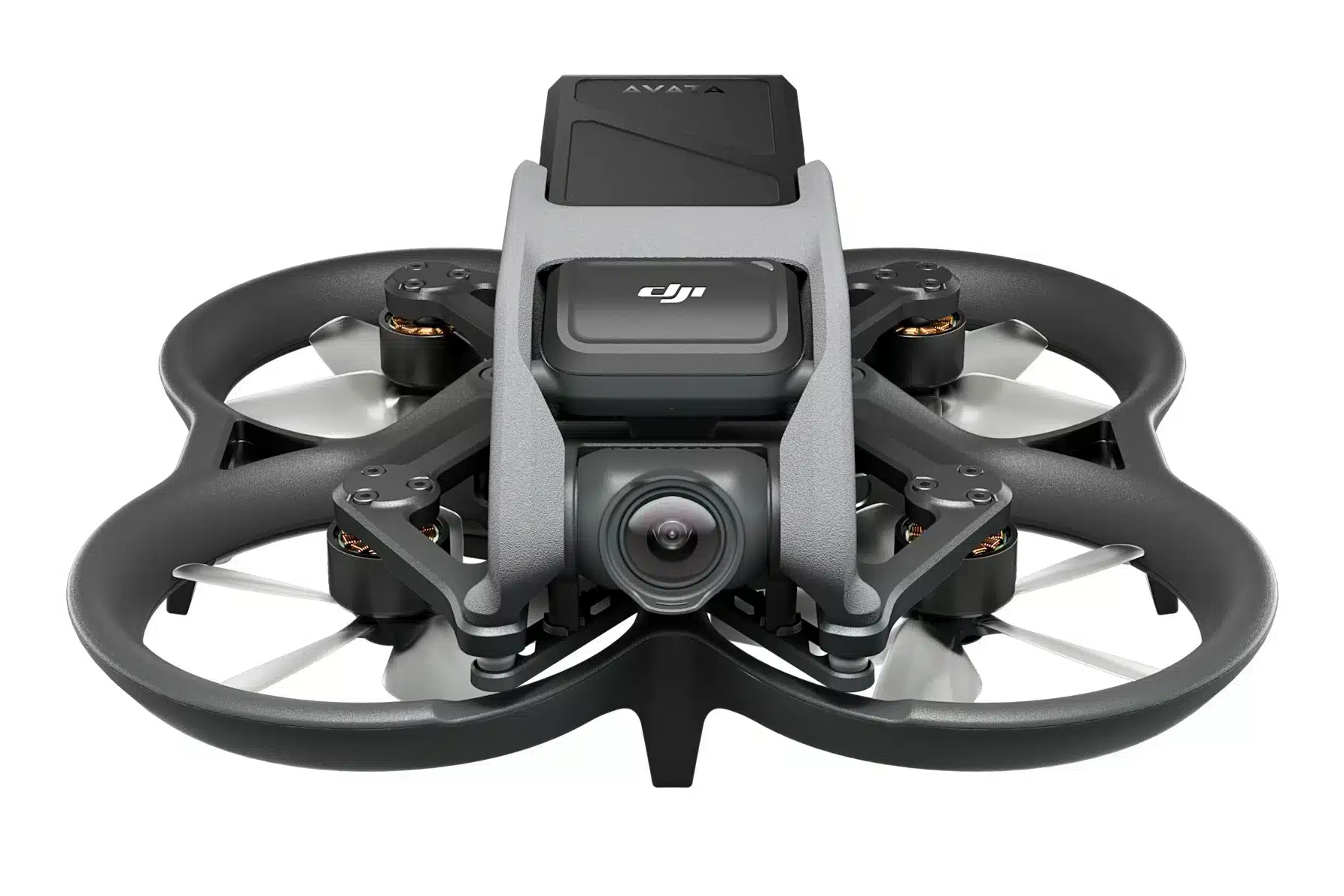
FPV drone
Filming is becoming increasingly important, and the Avata can reach areas that are difficult to access with a standard drone.
2024
Fastest full-frame camera
Once again, Sony has set a record with the A9 III. The camera is extremely fast (120 frames/s) at full resolution of 24 MP, now features a global shutter system, can still deliver excellent autofocus performance and low image noise in extremely low light, is equipped with an AI processor, and enables pre-capture during burst shooting. Once again, this camera makes the impossible possible.