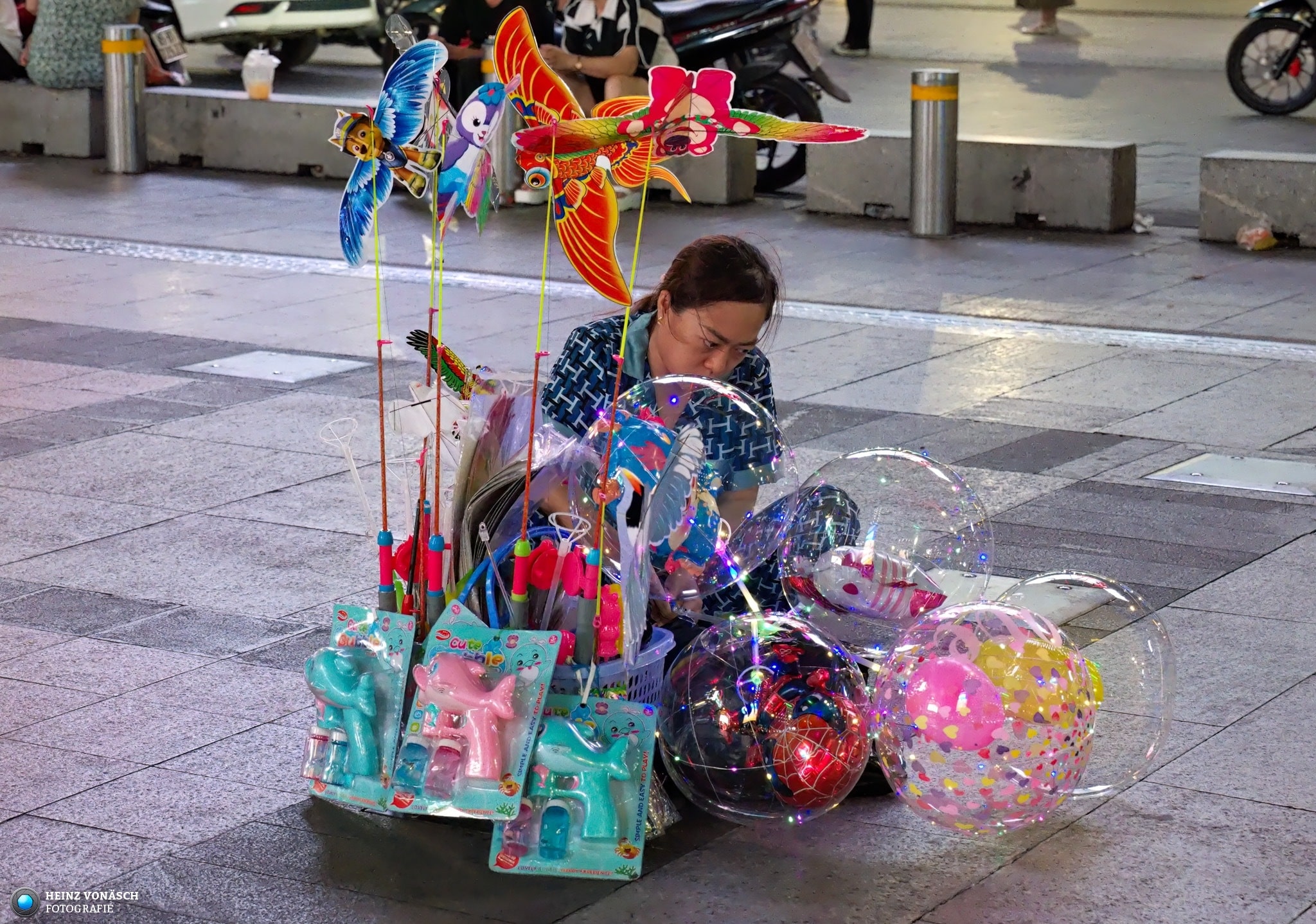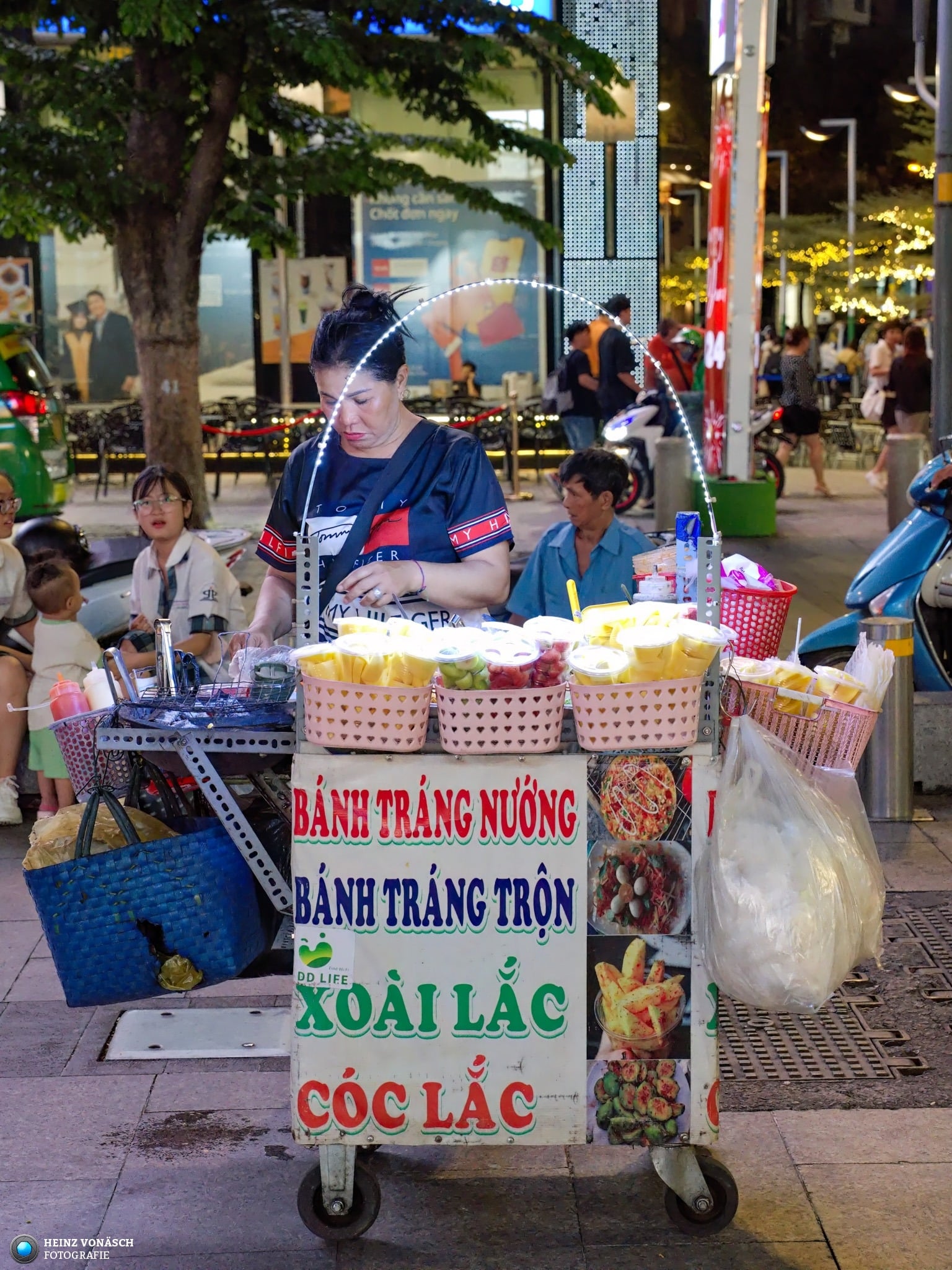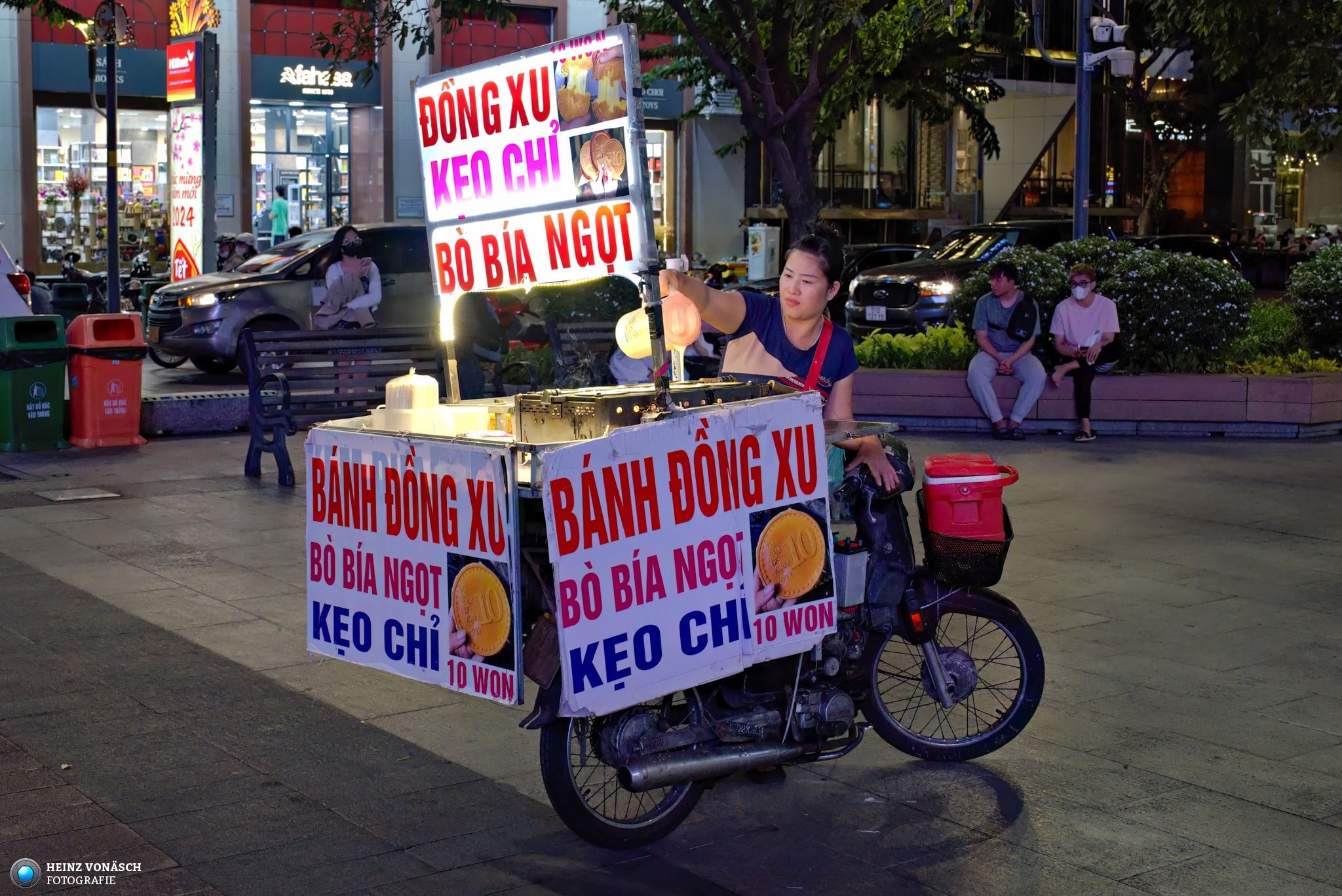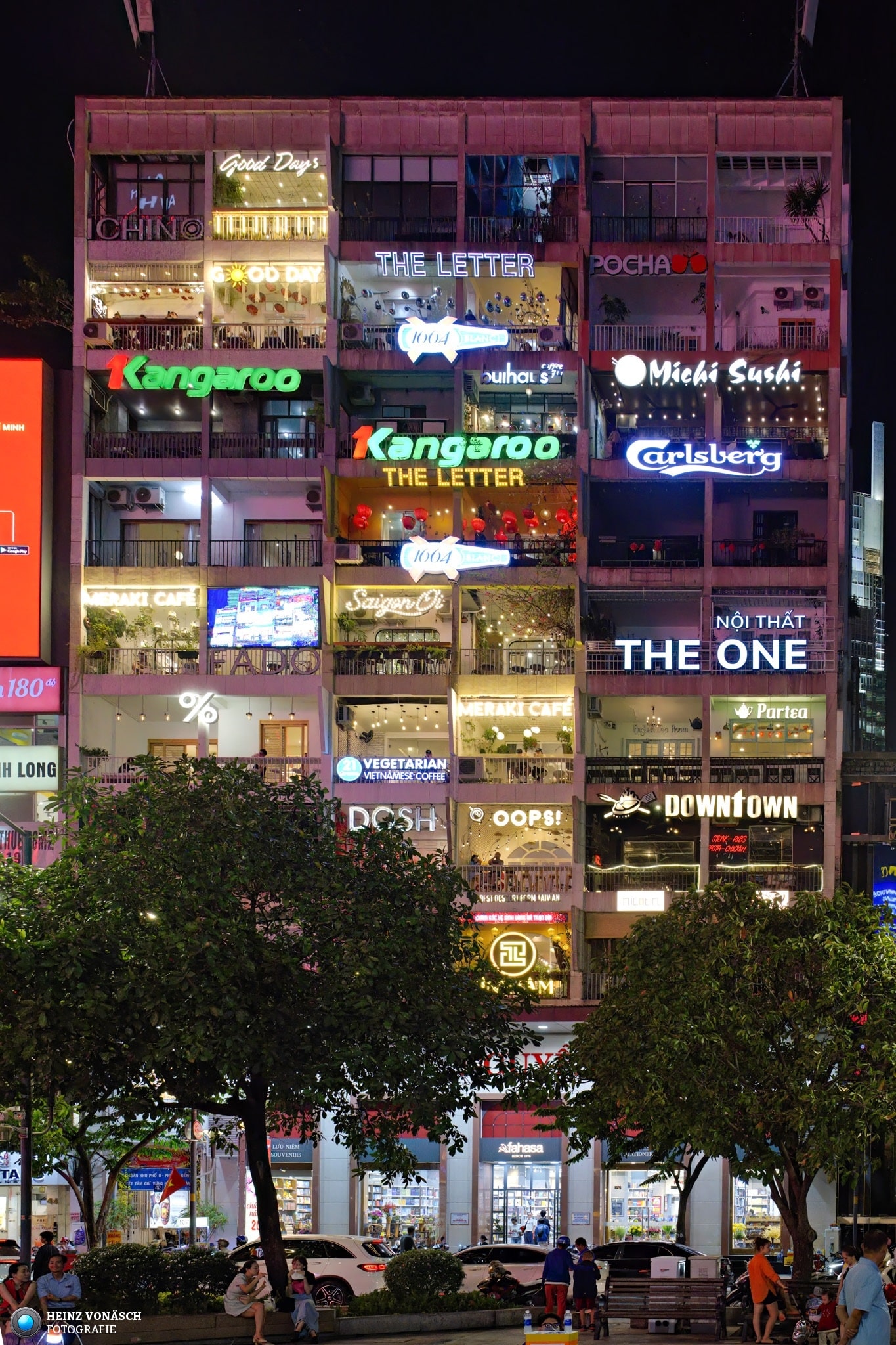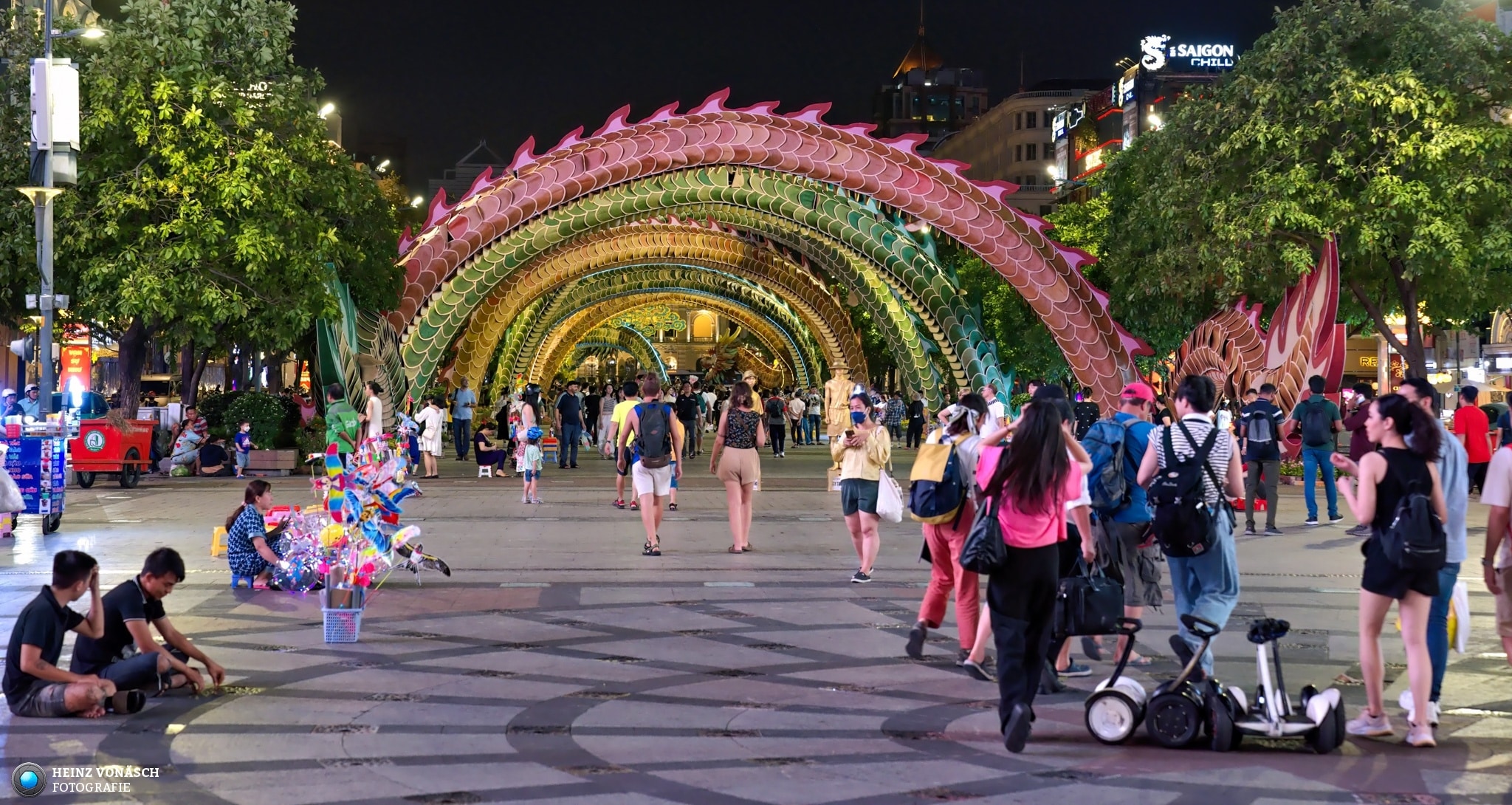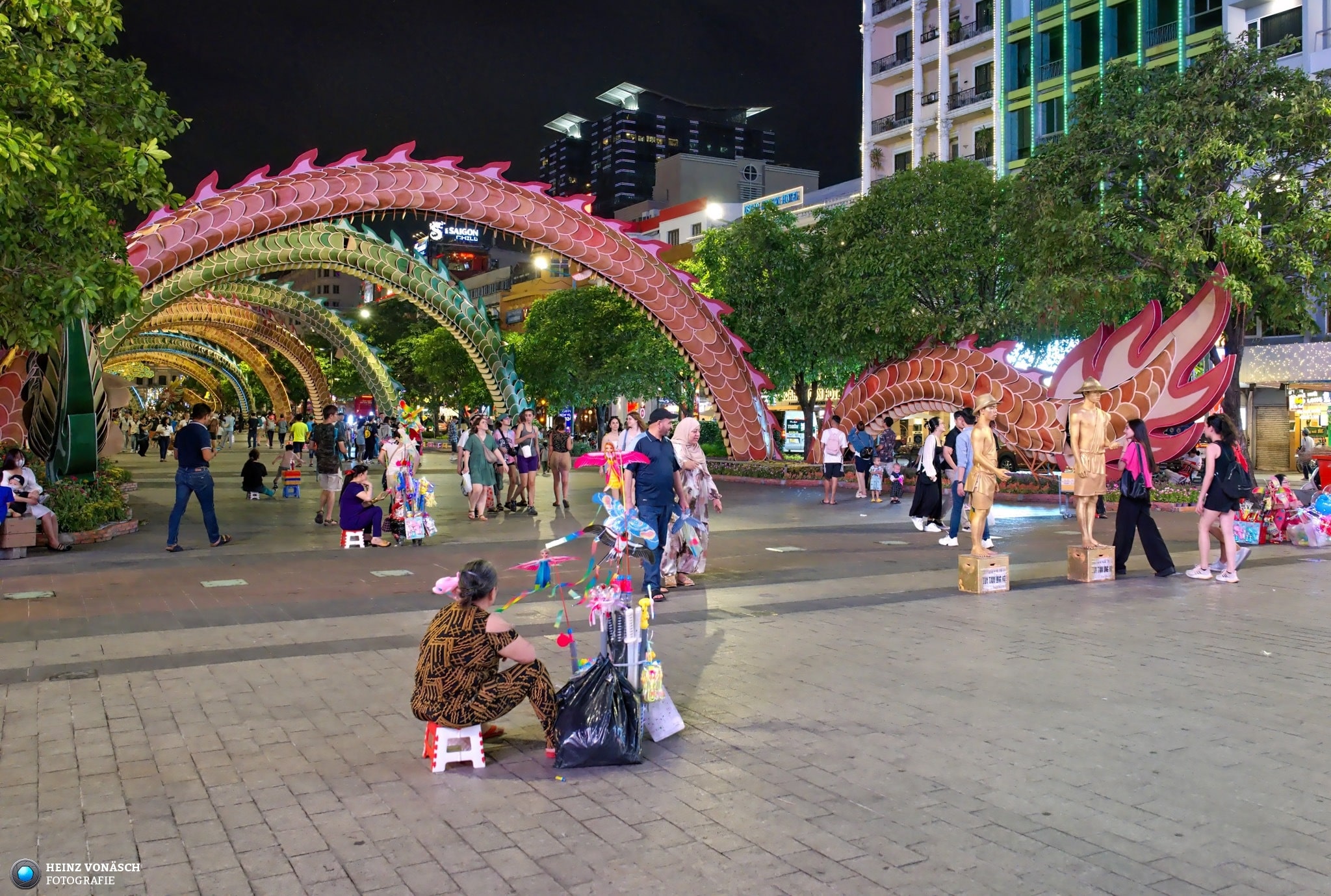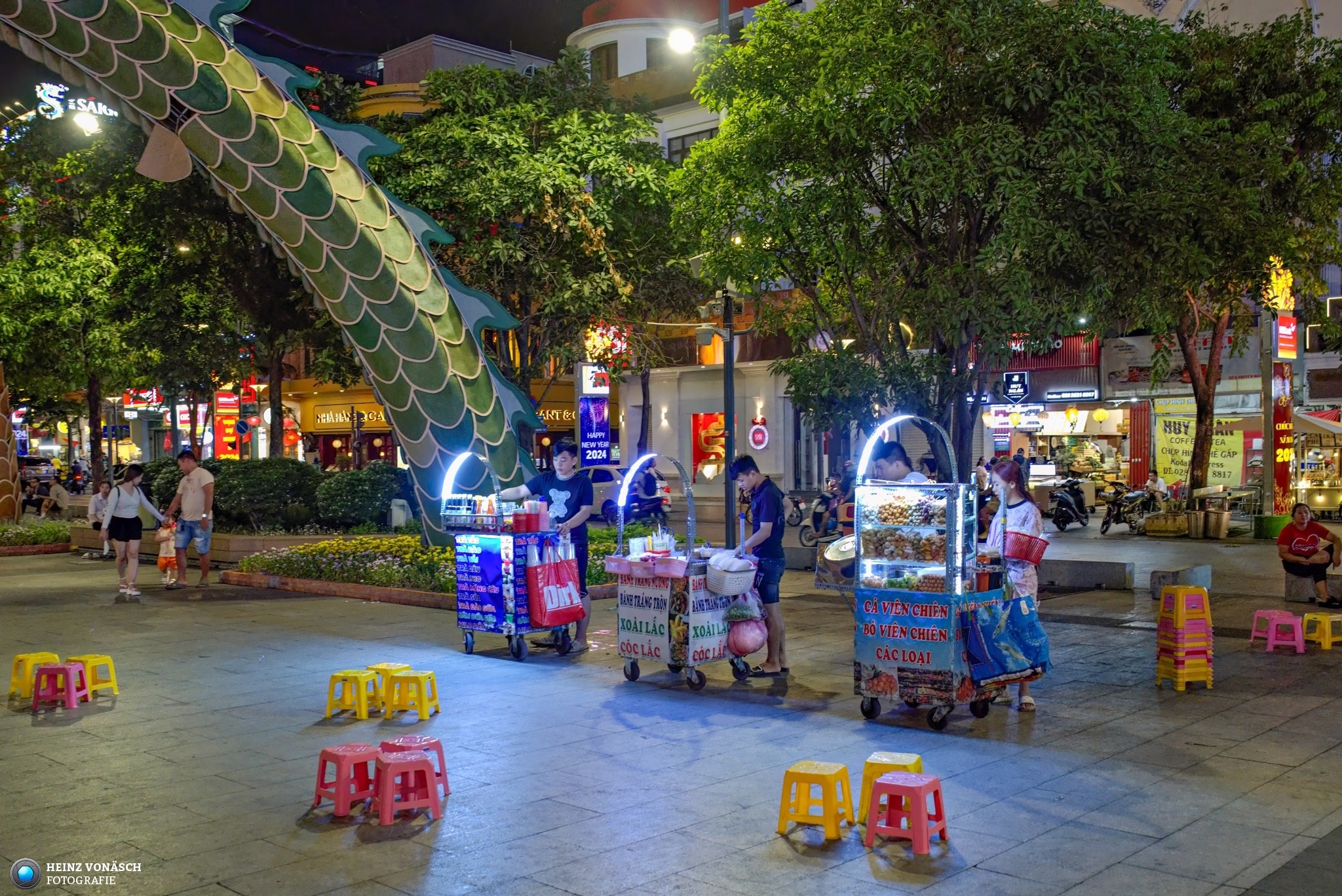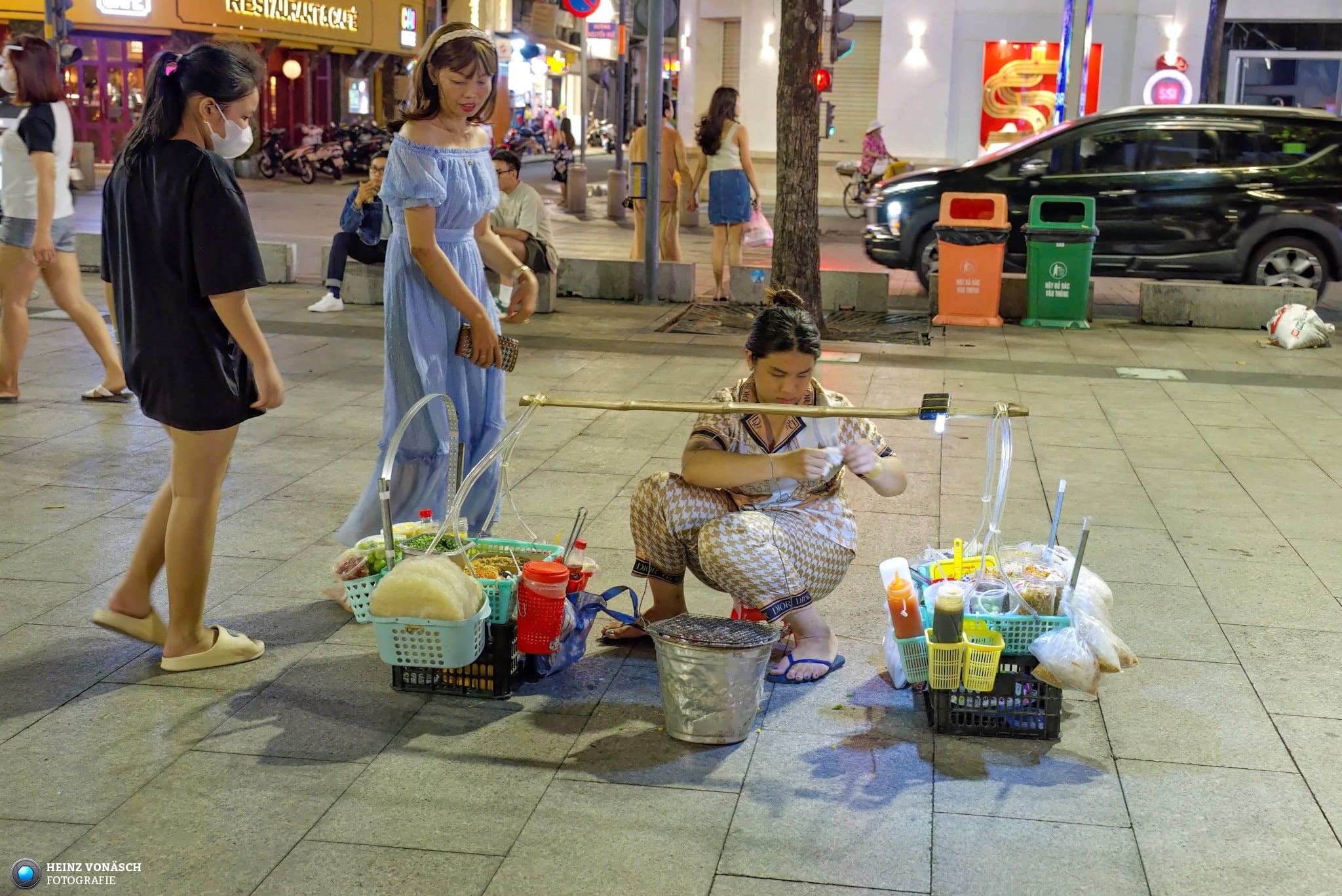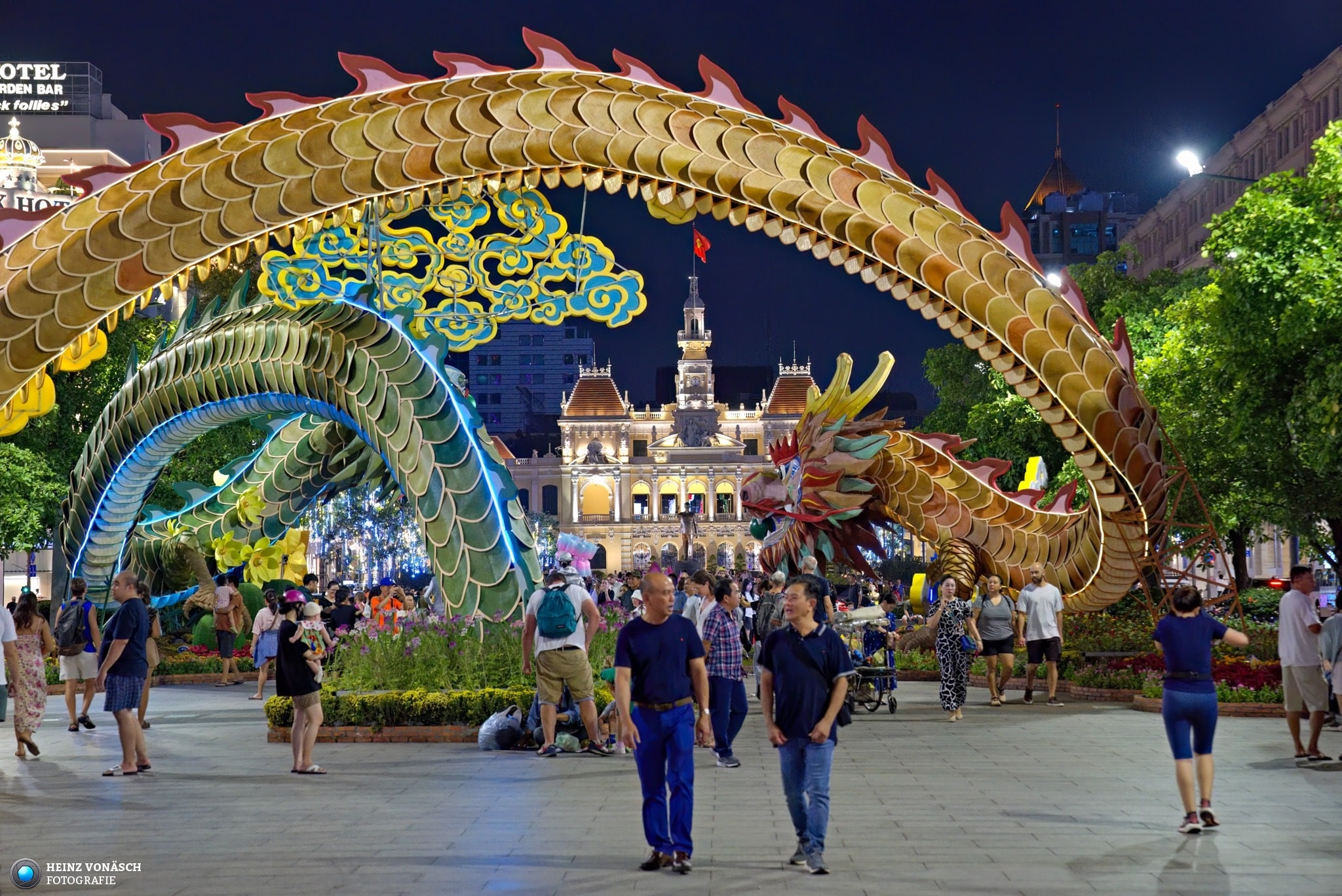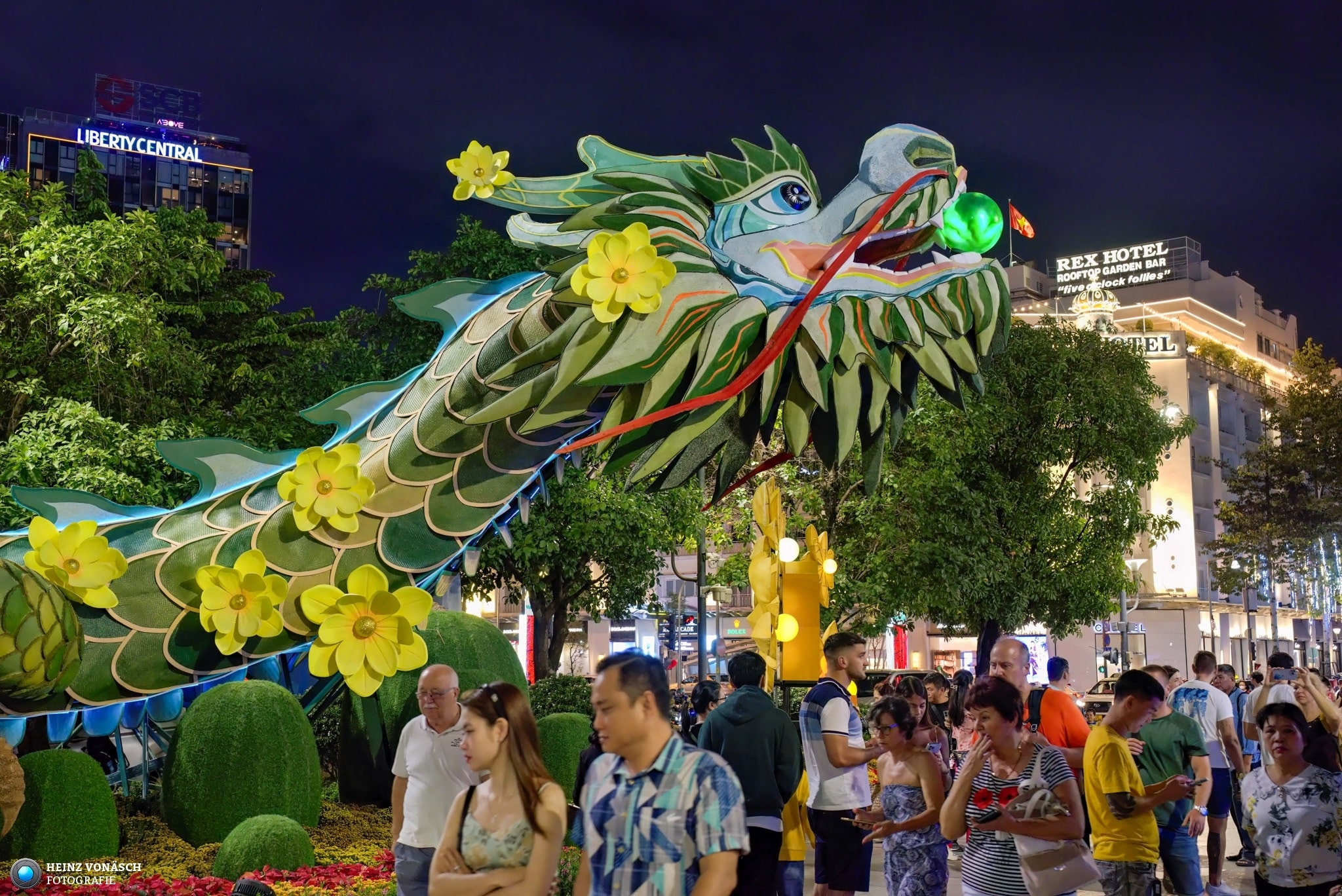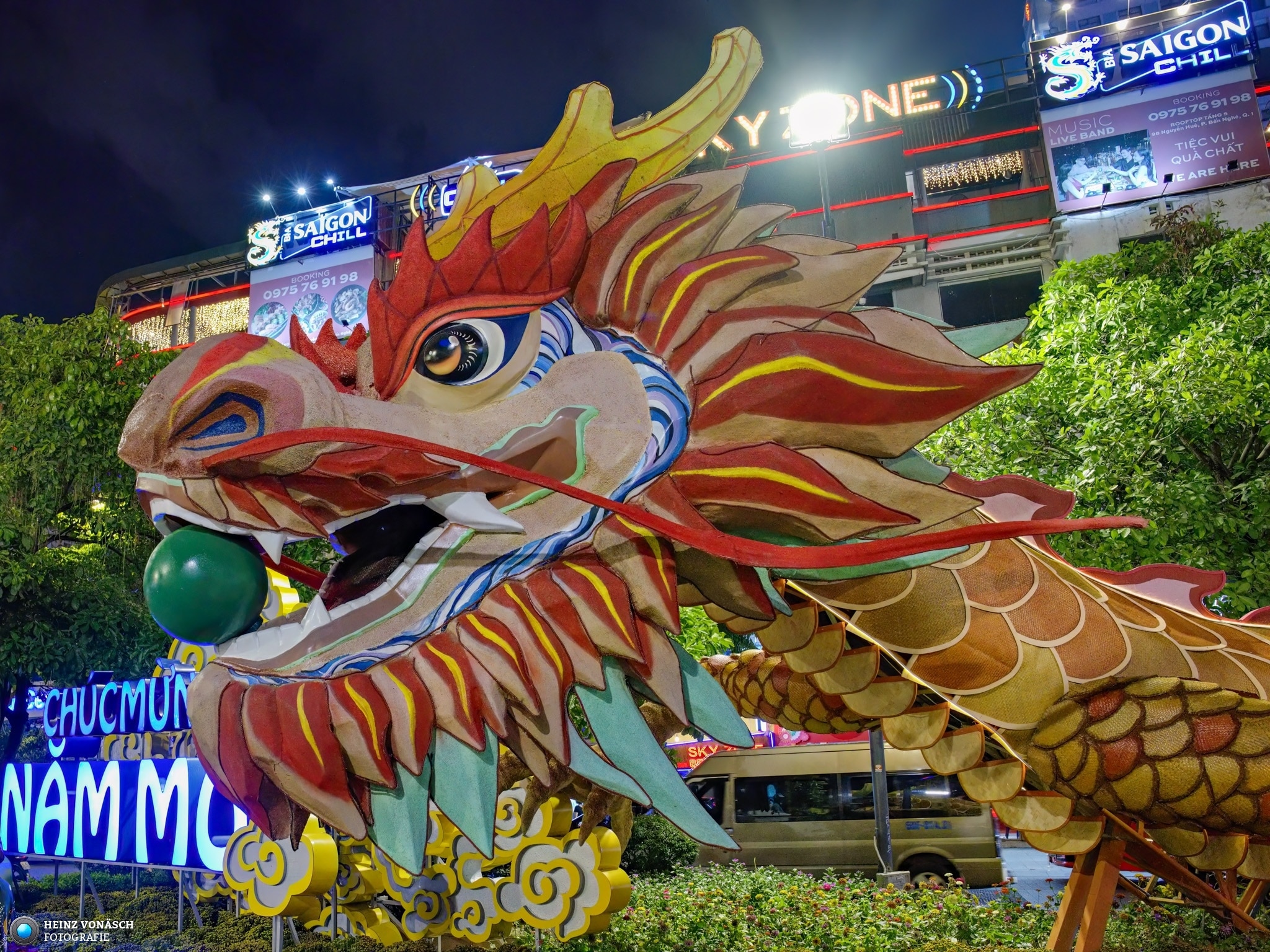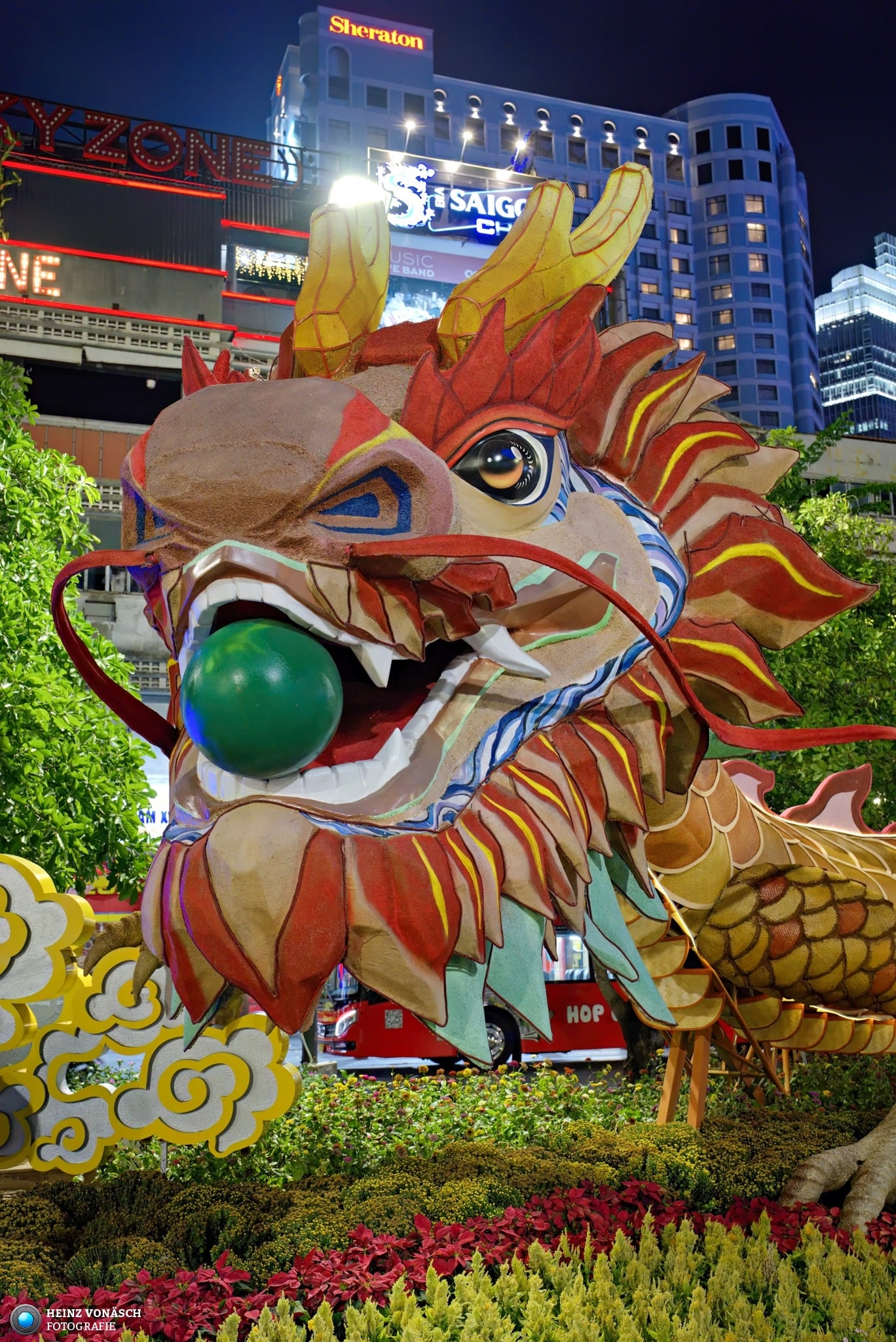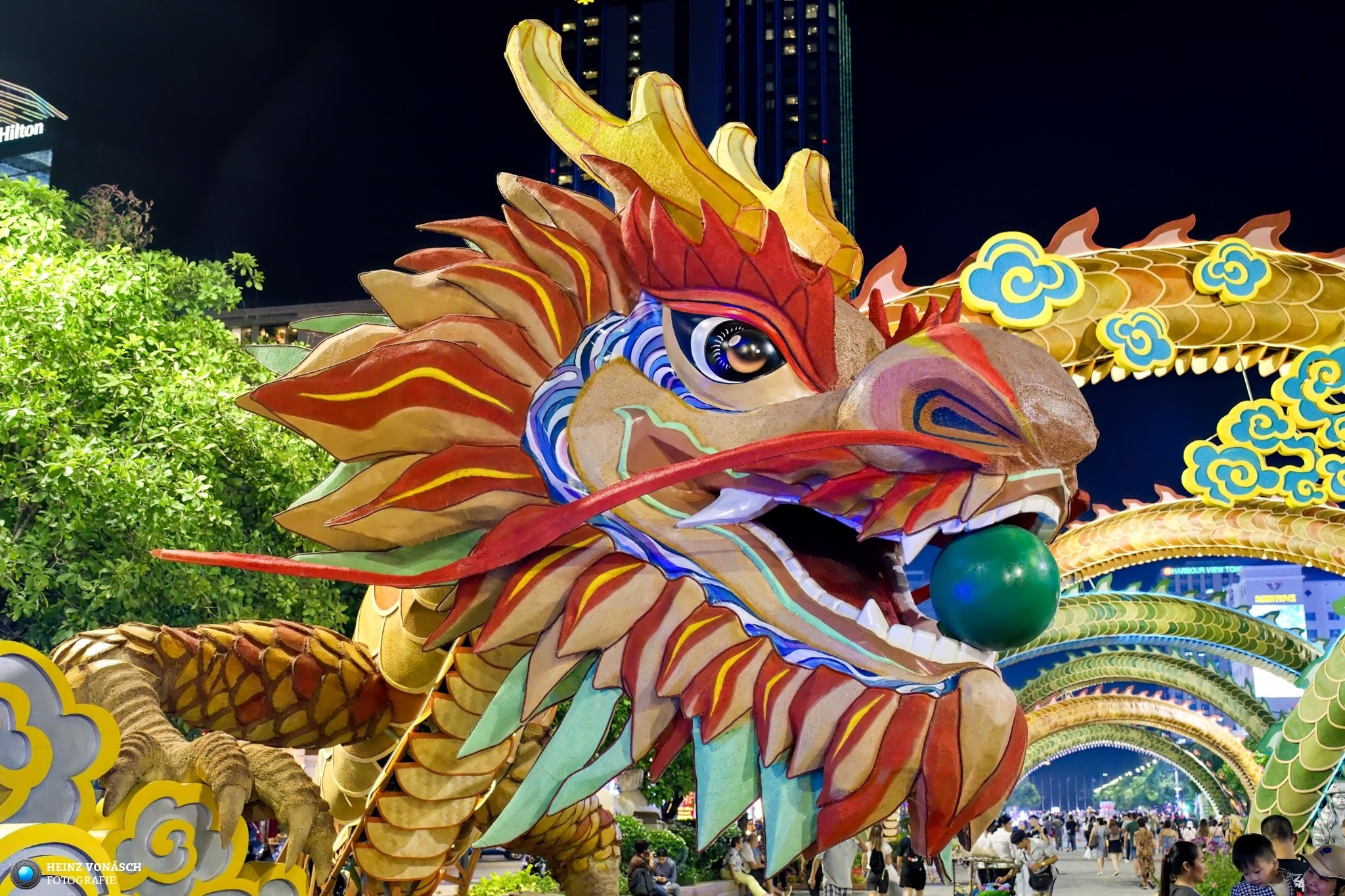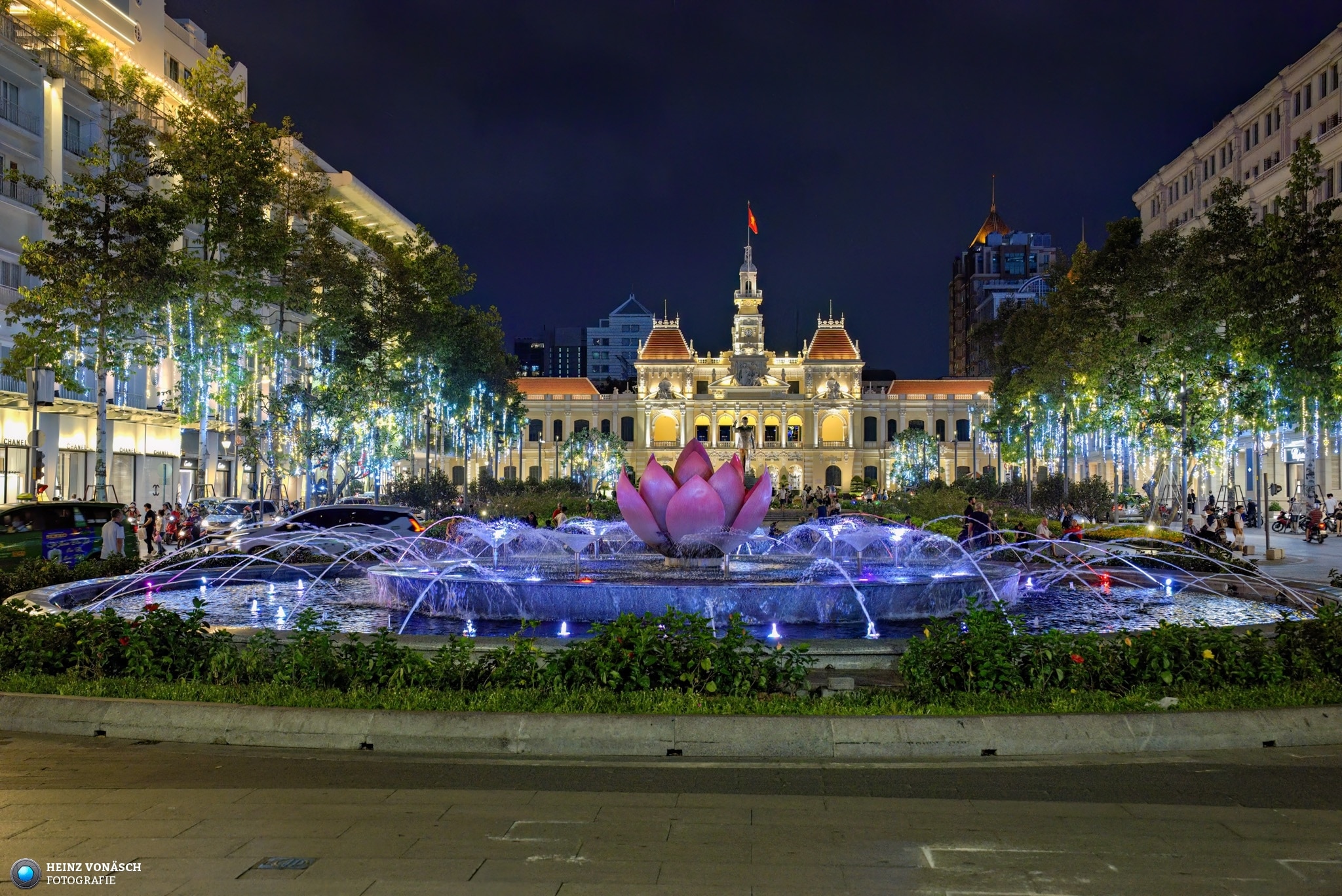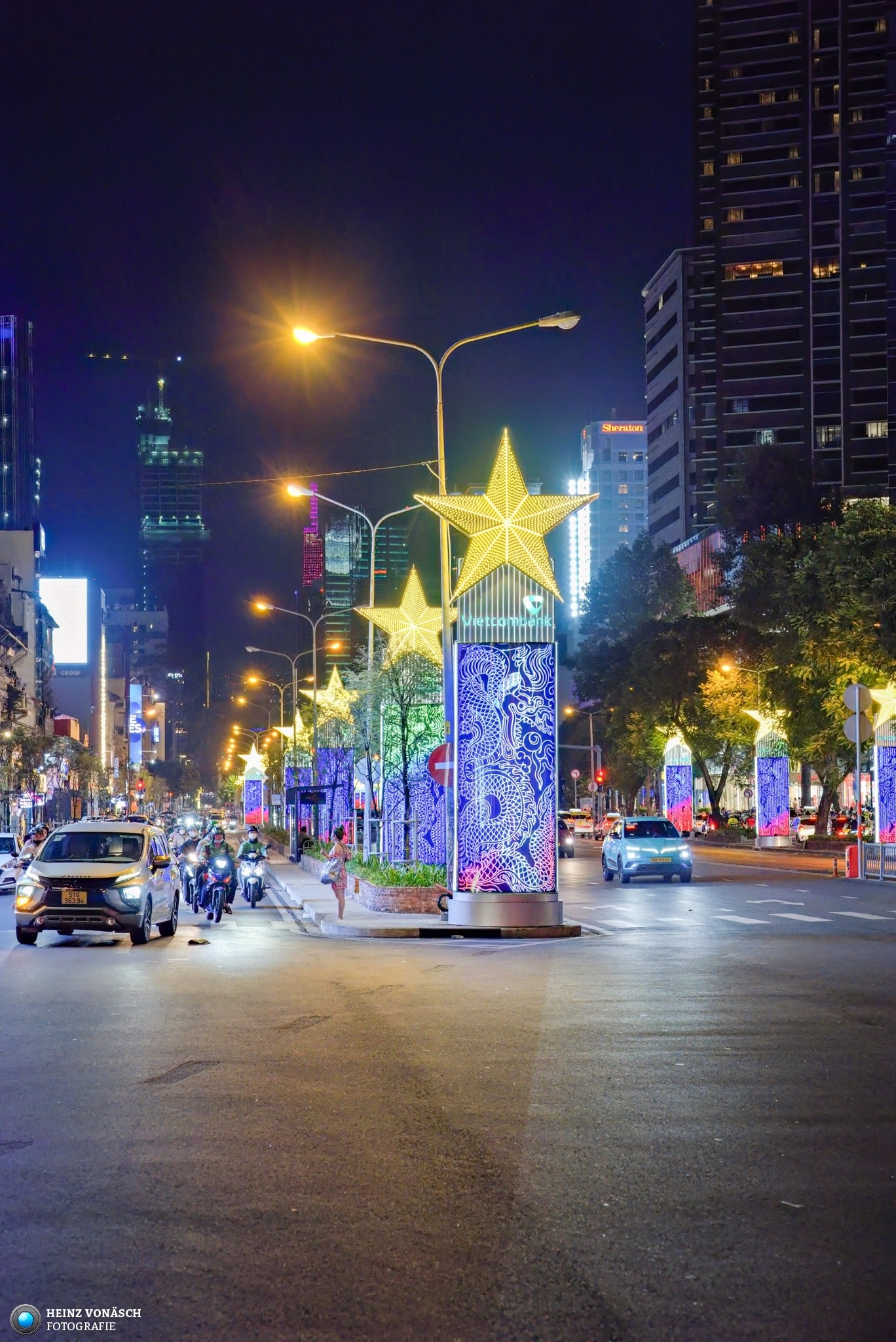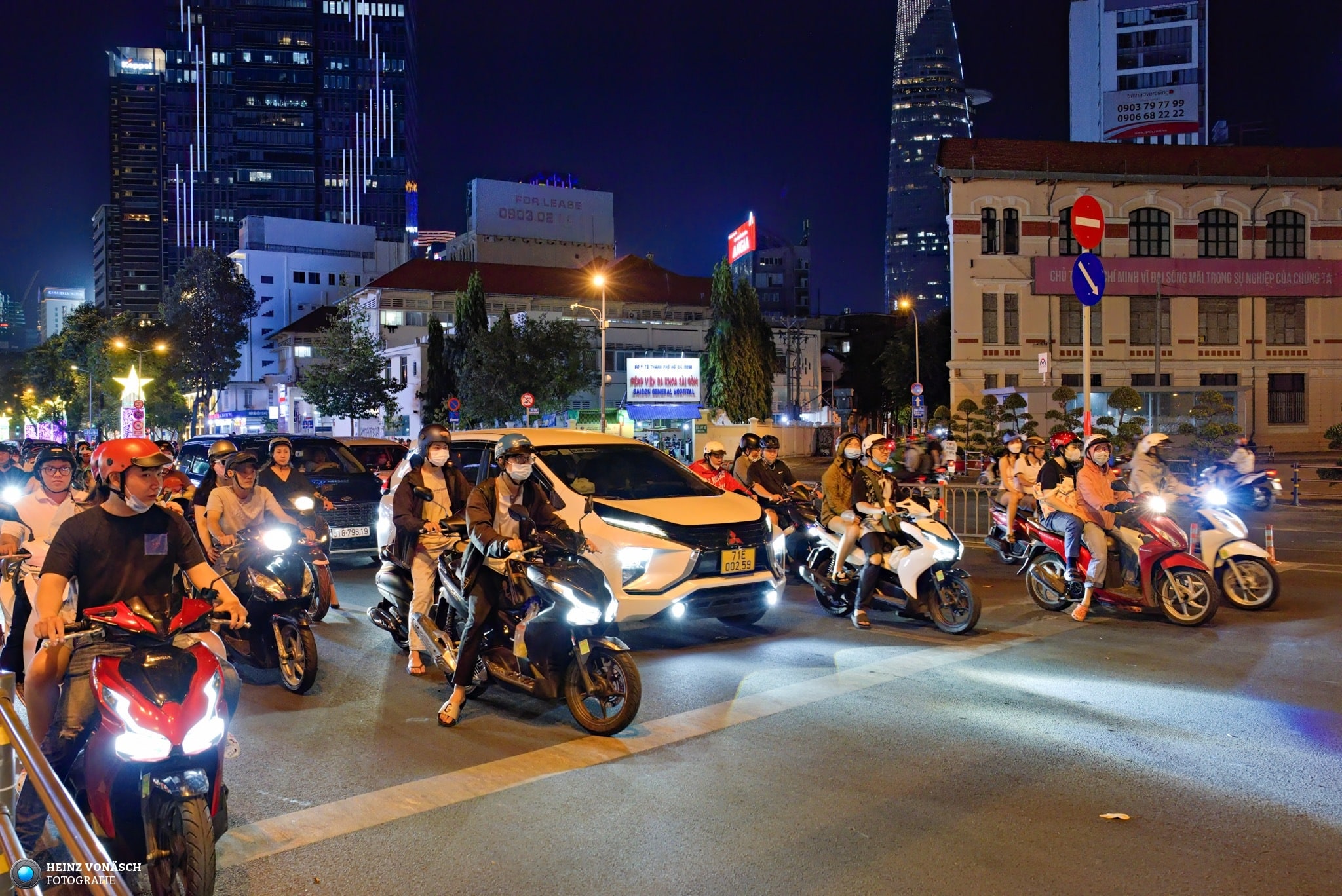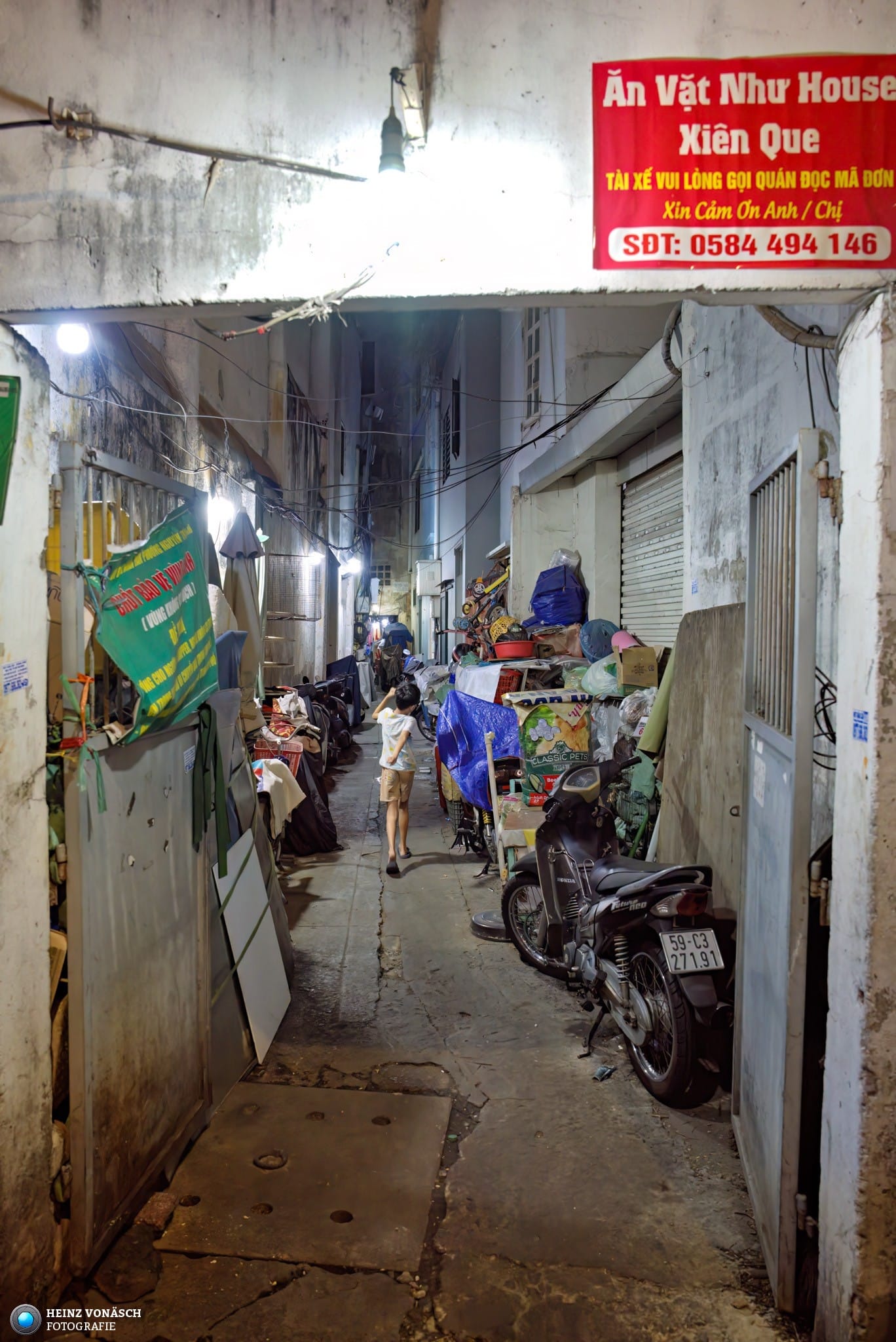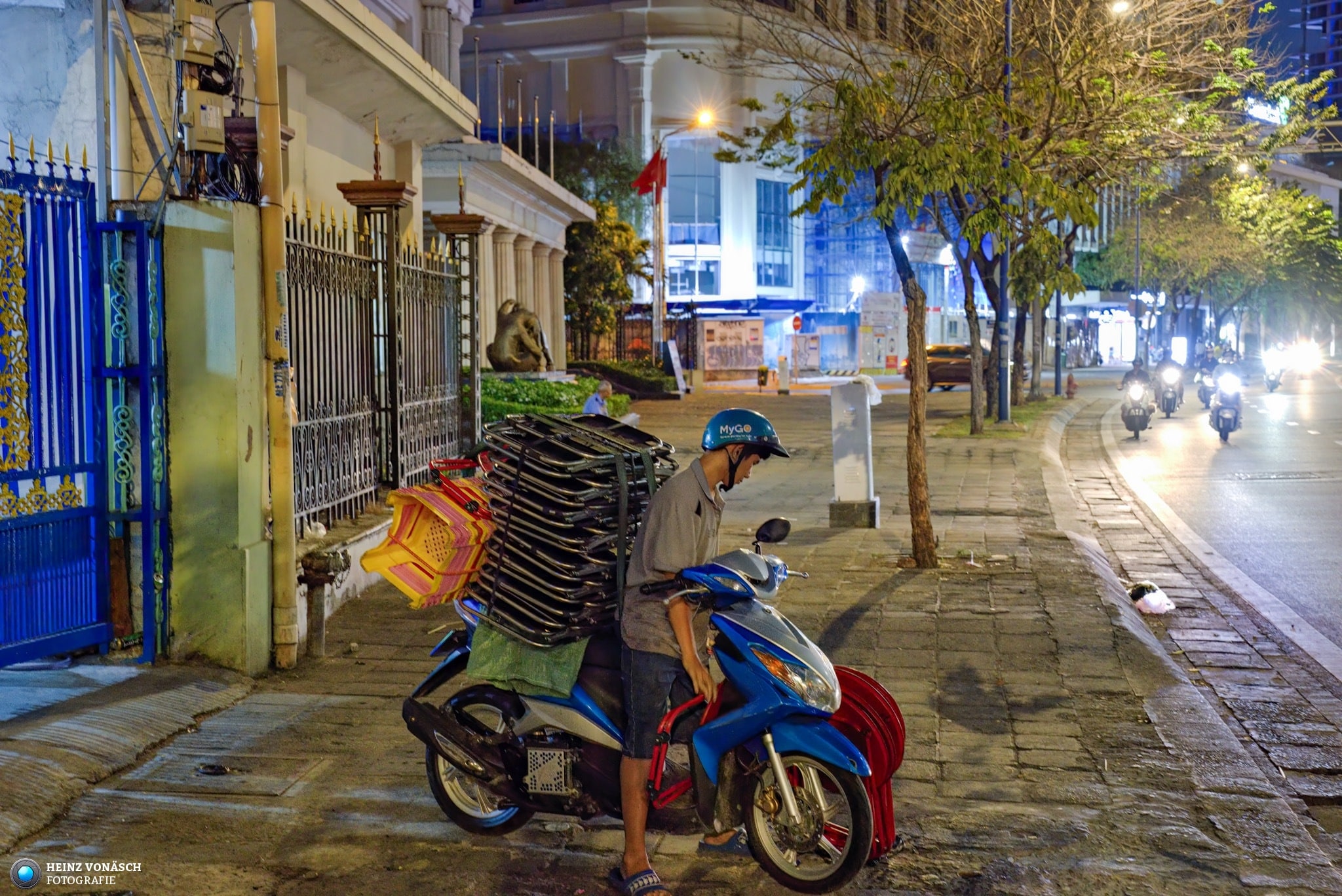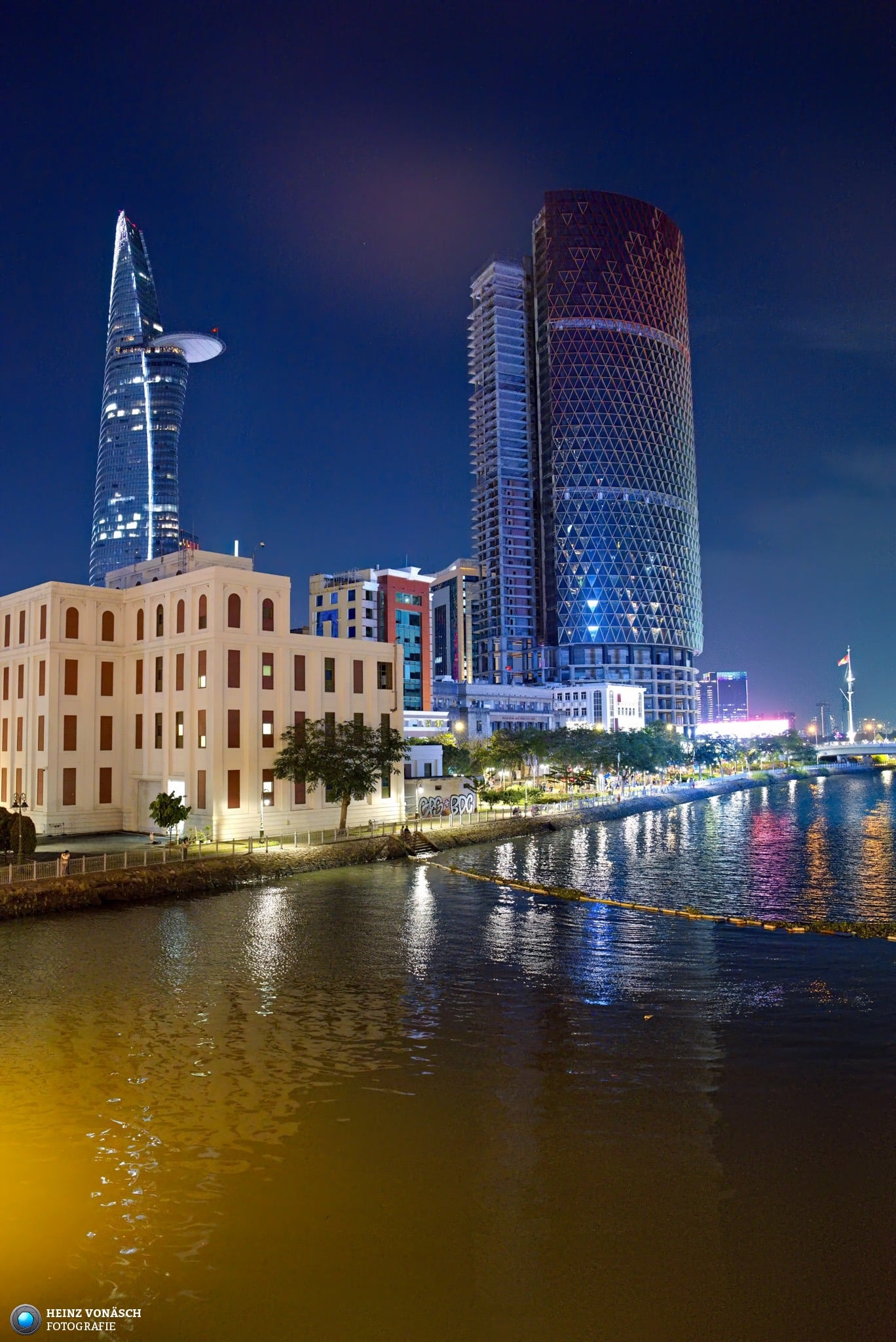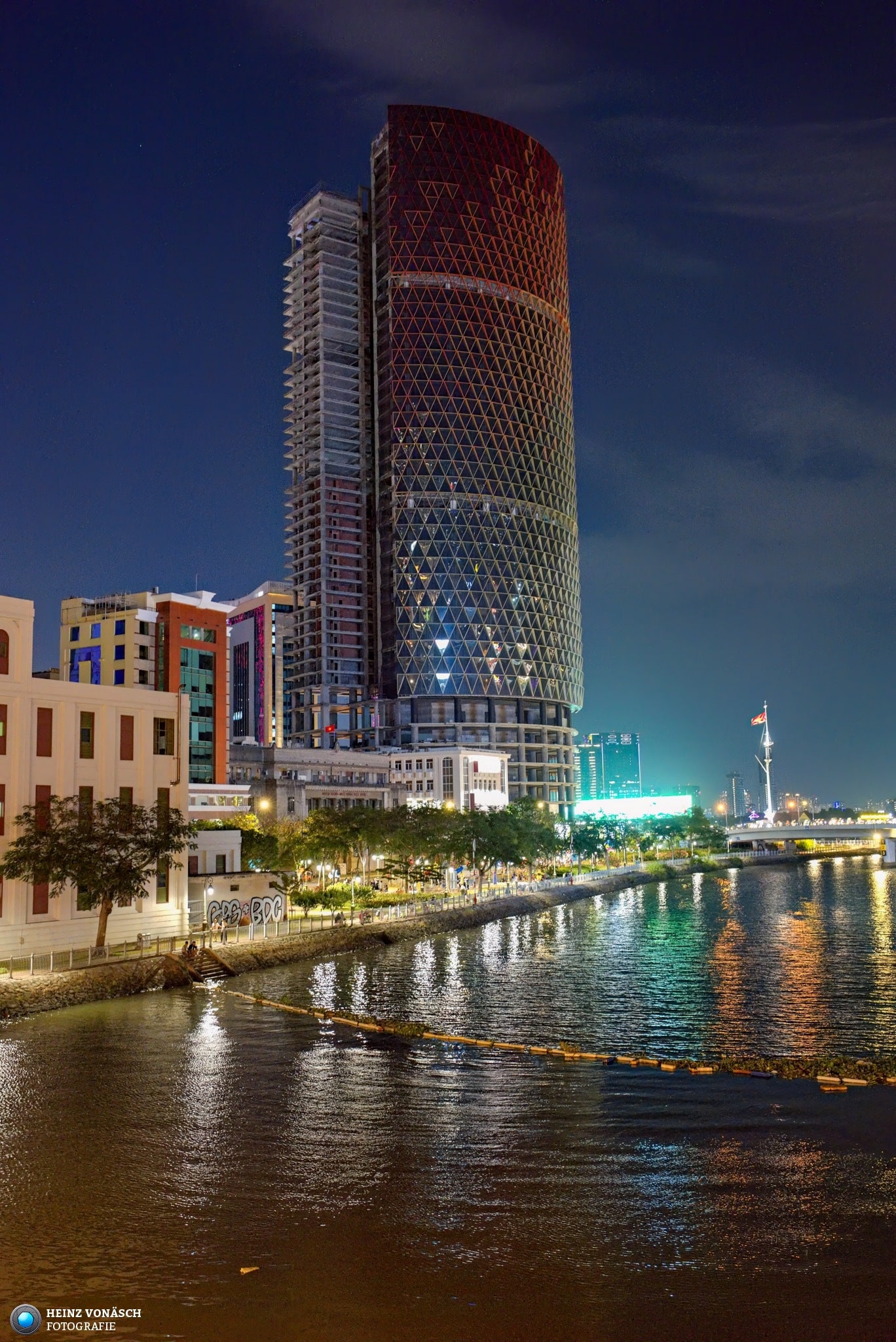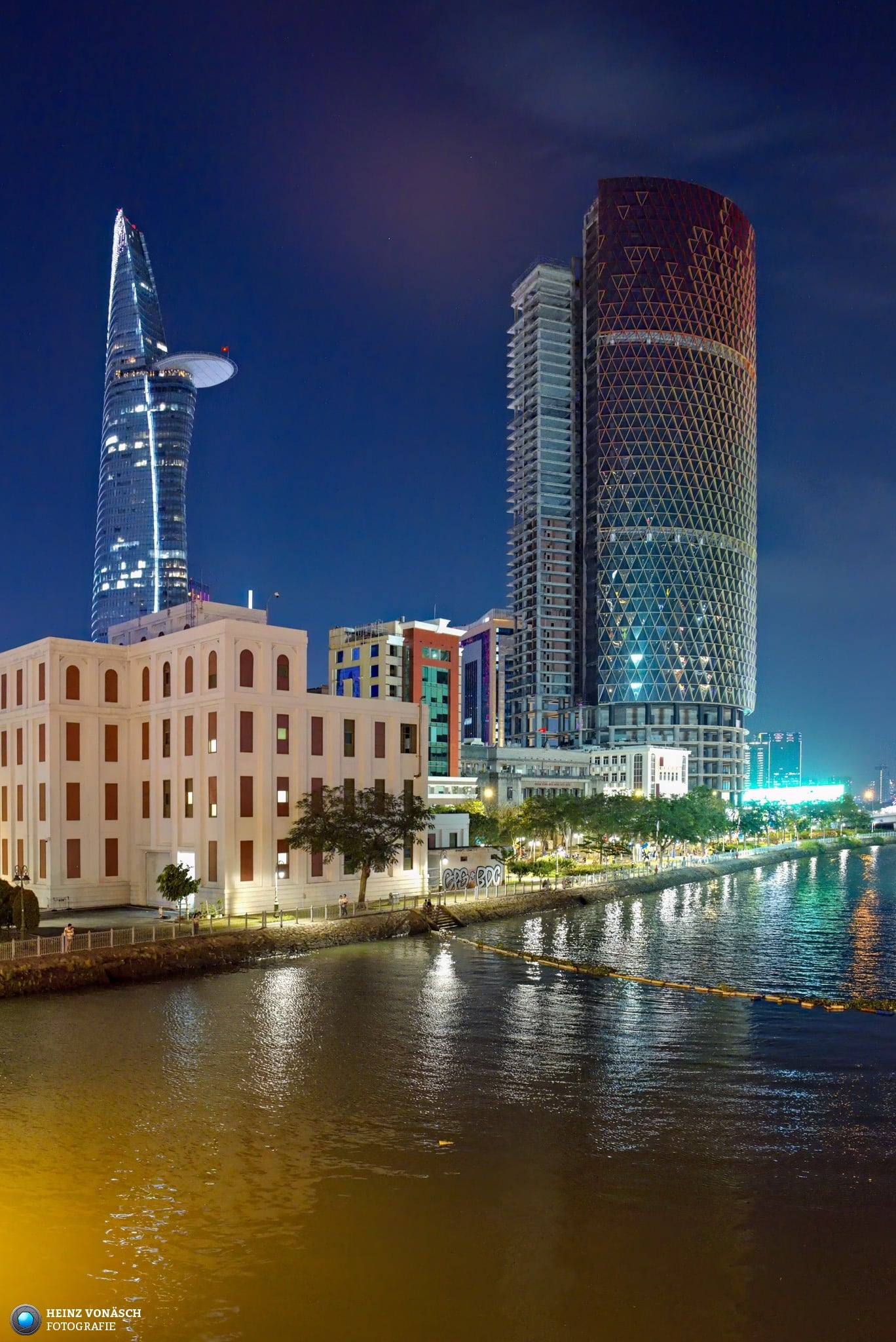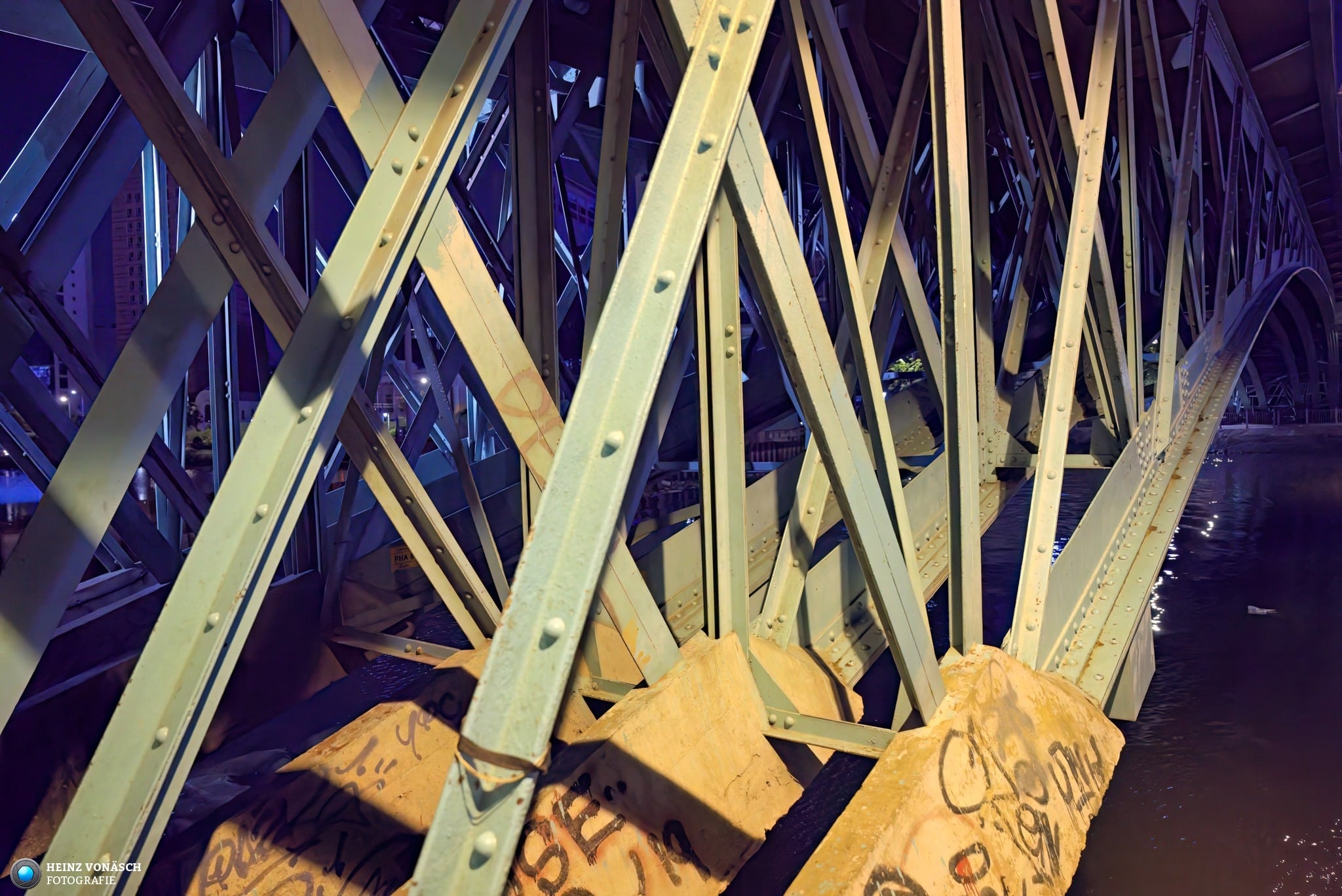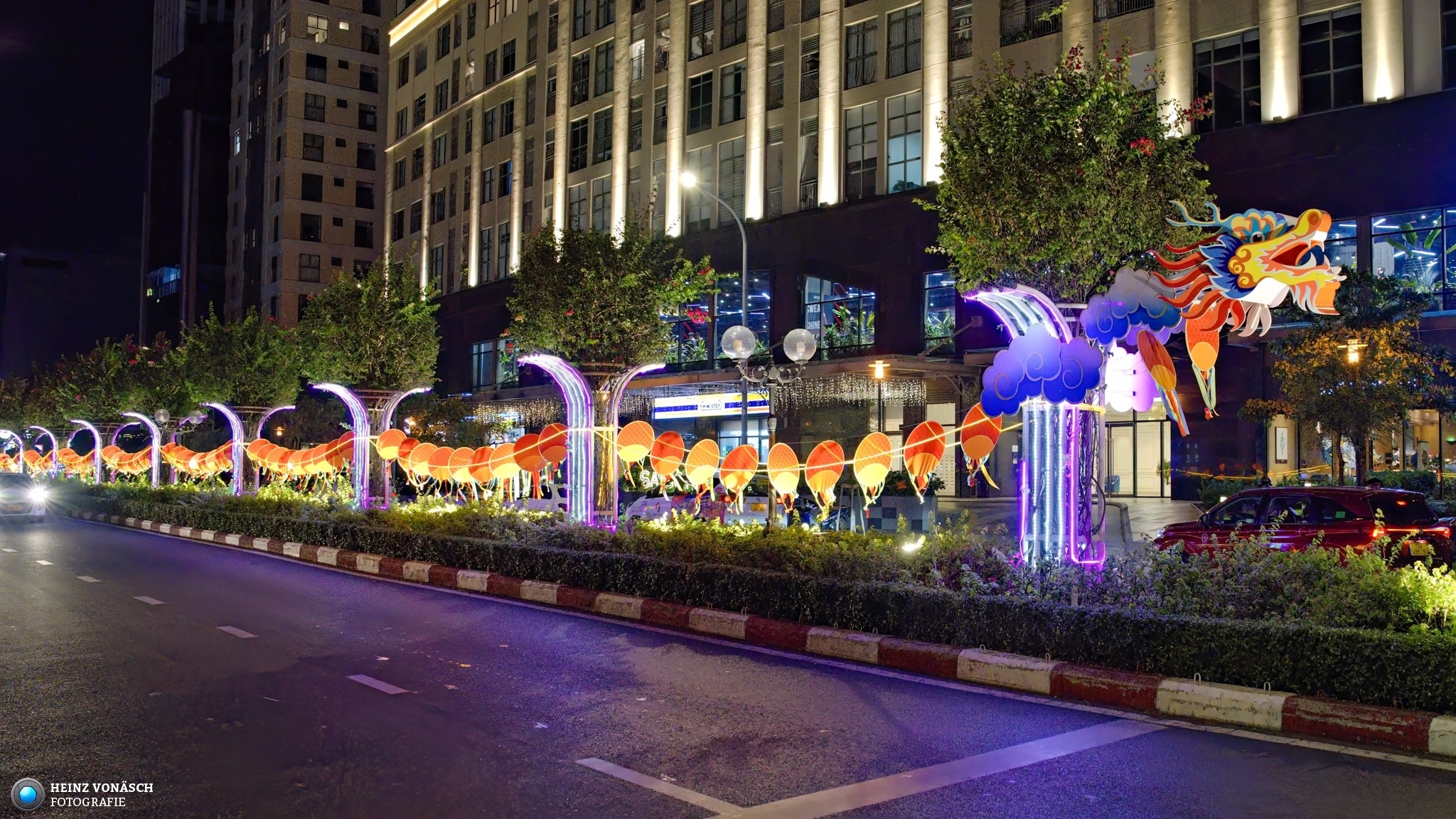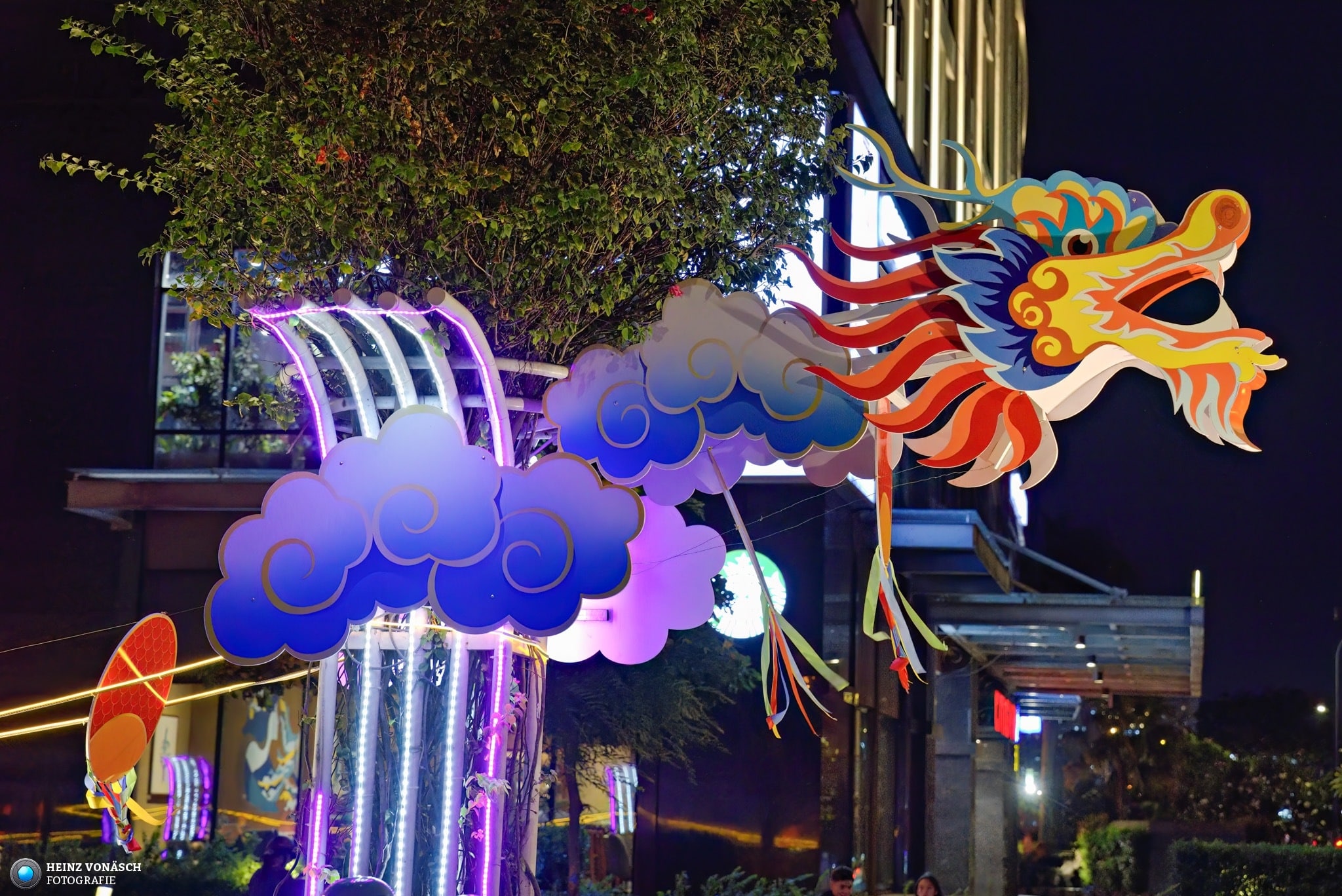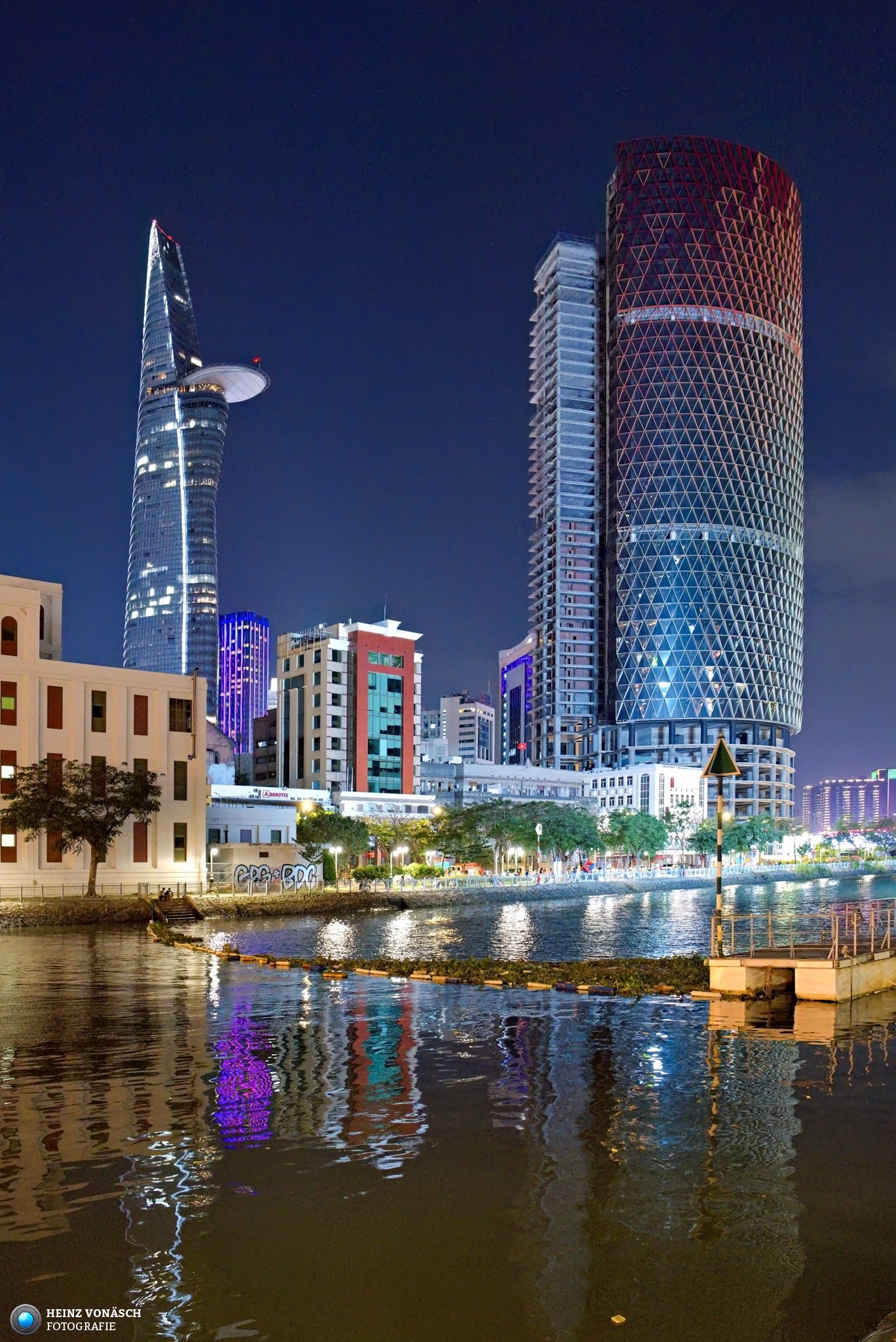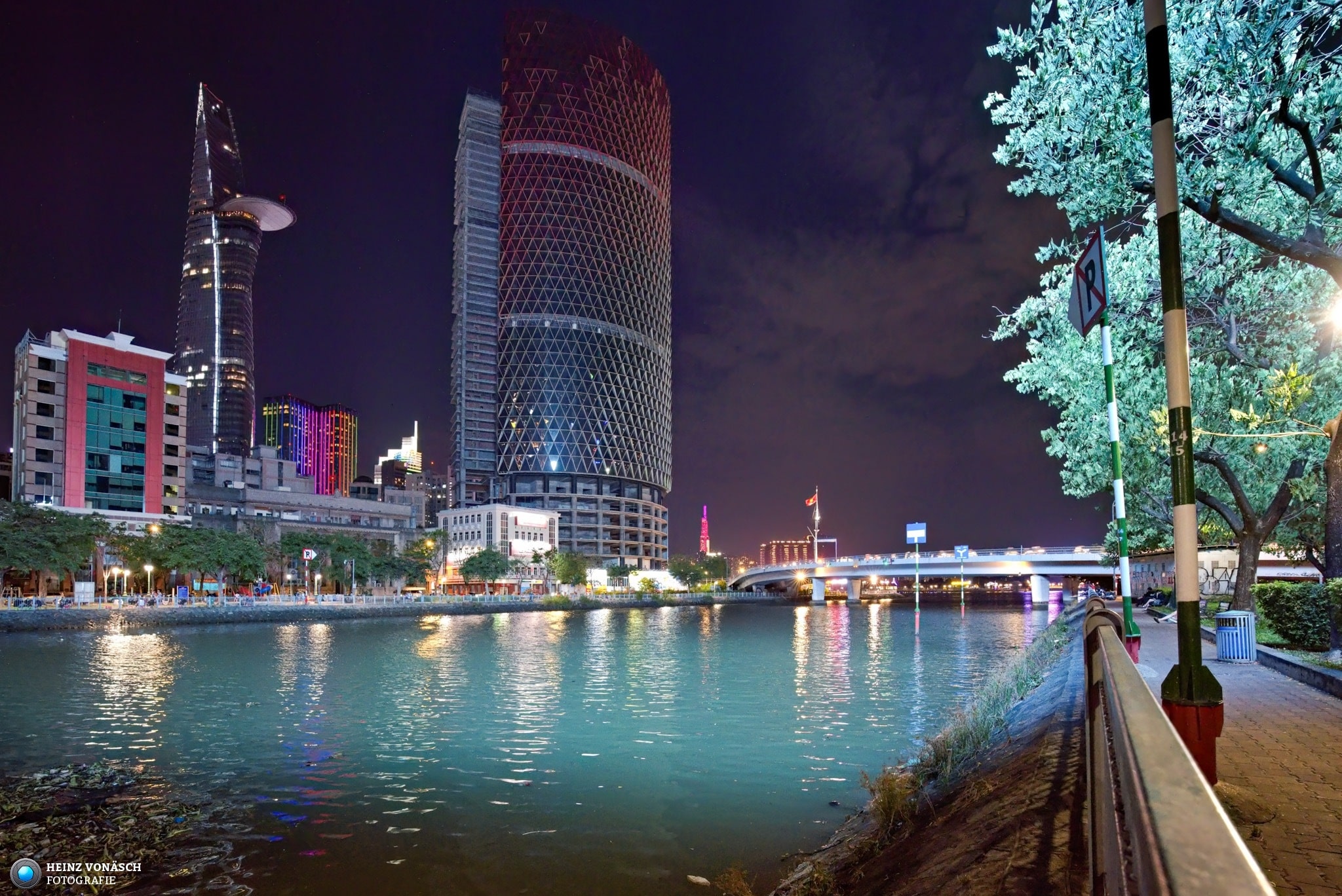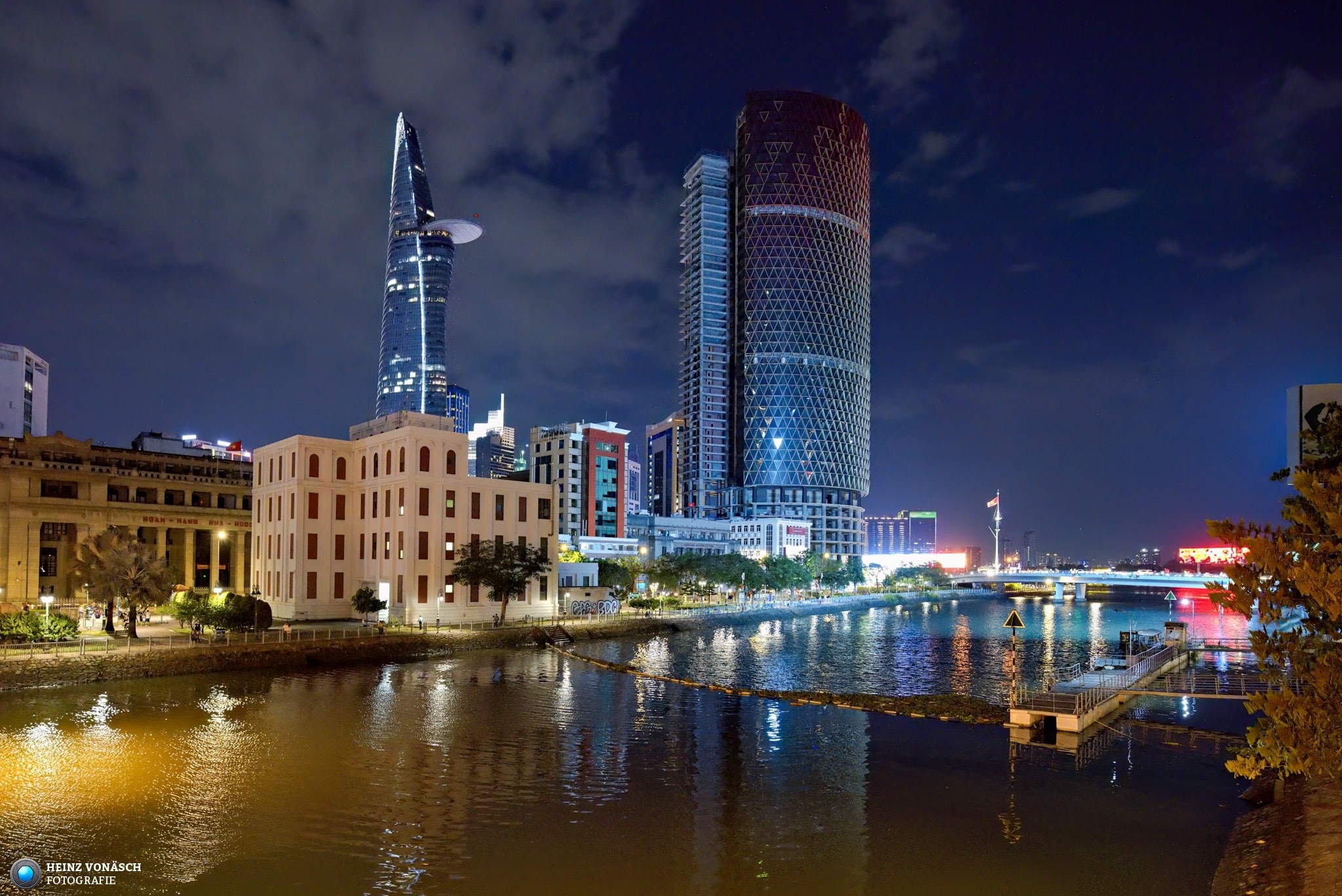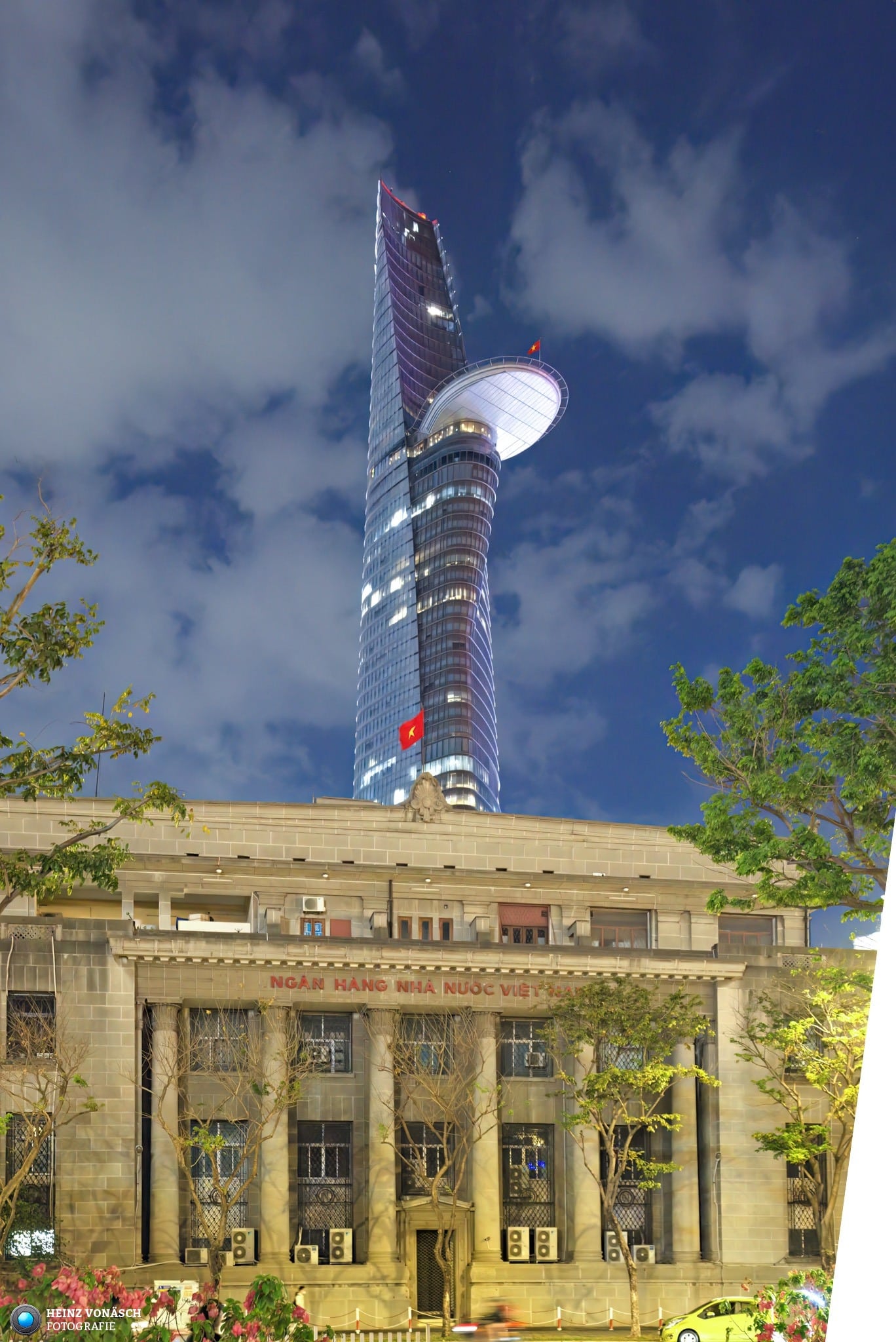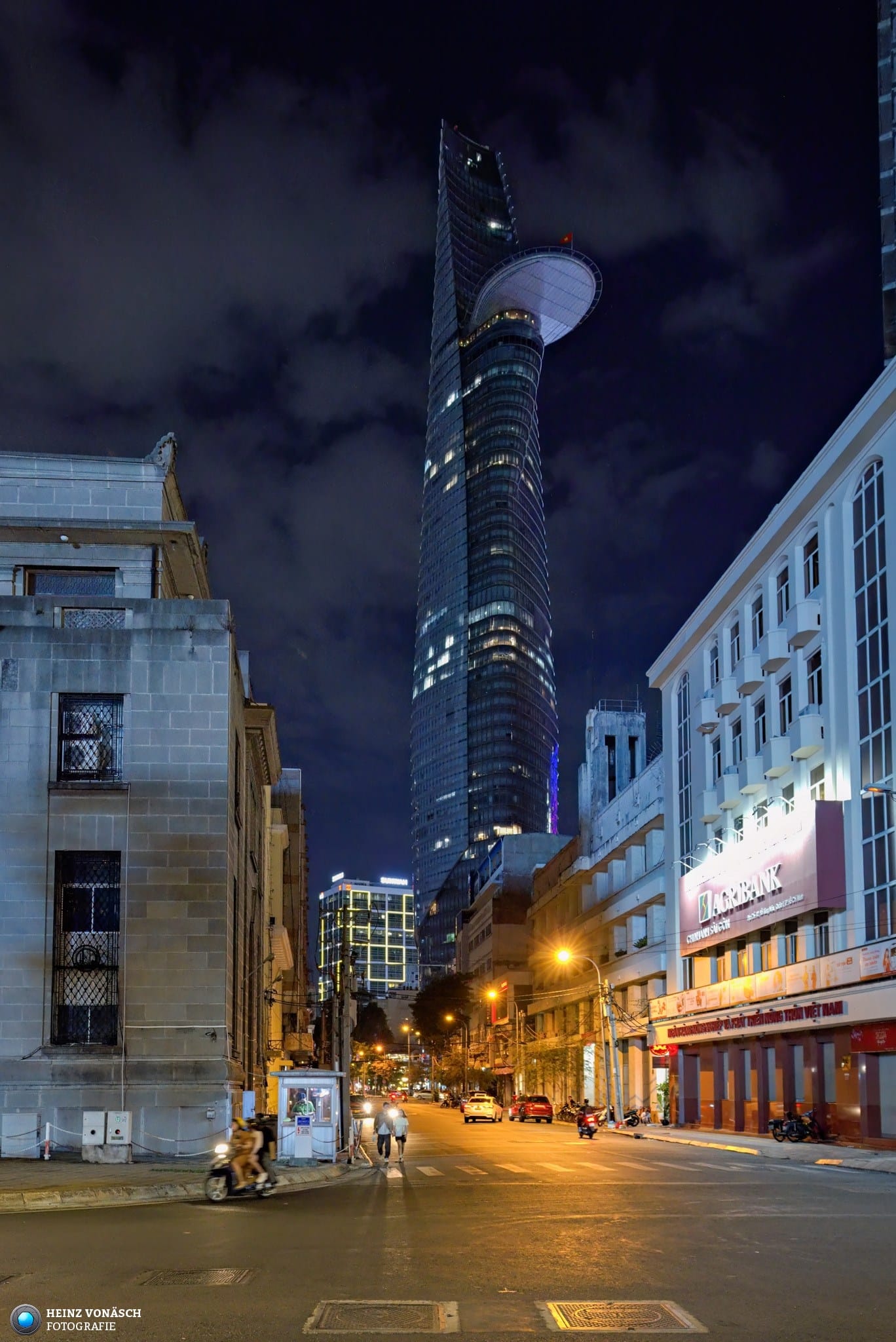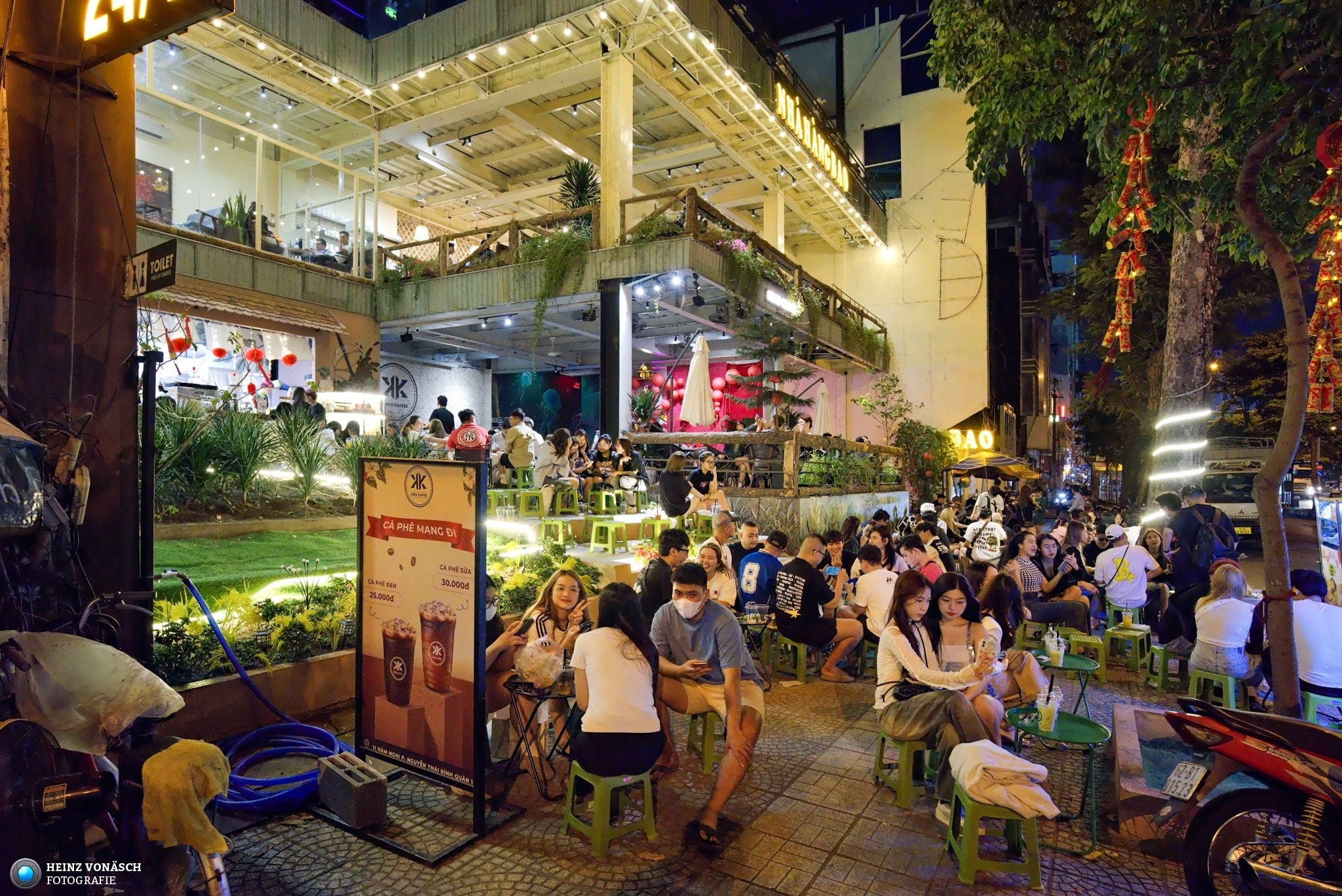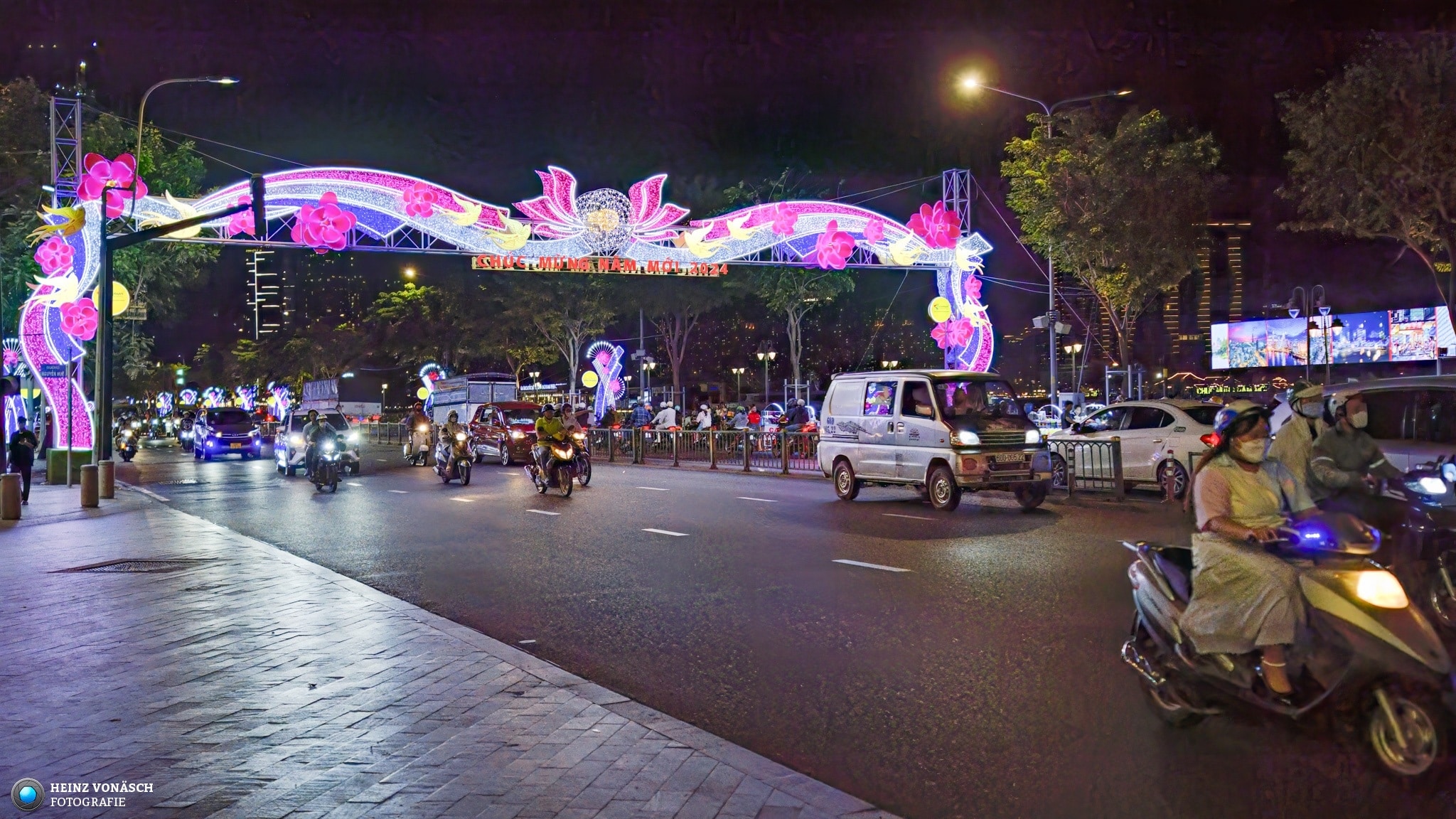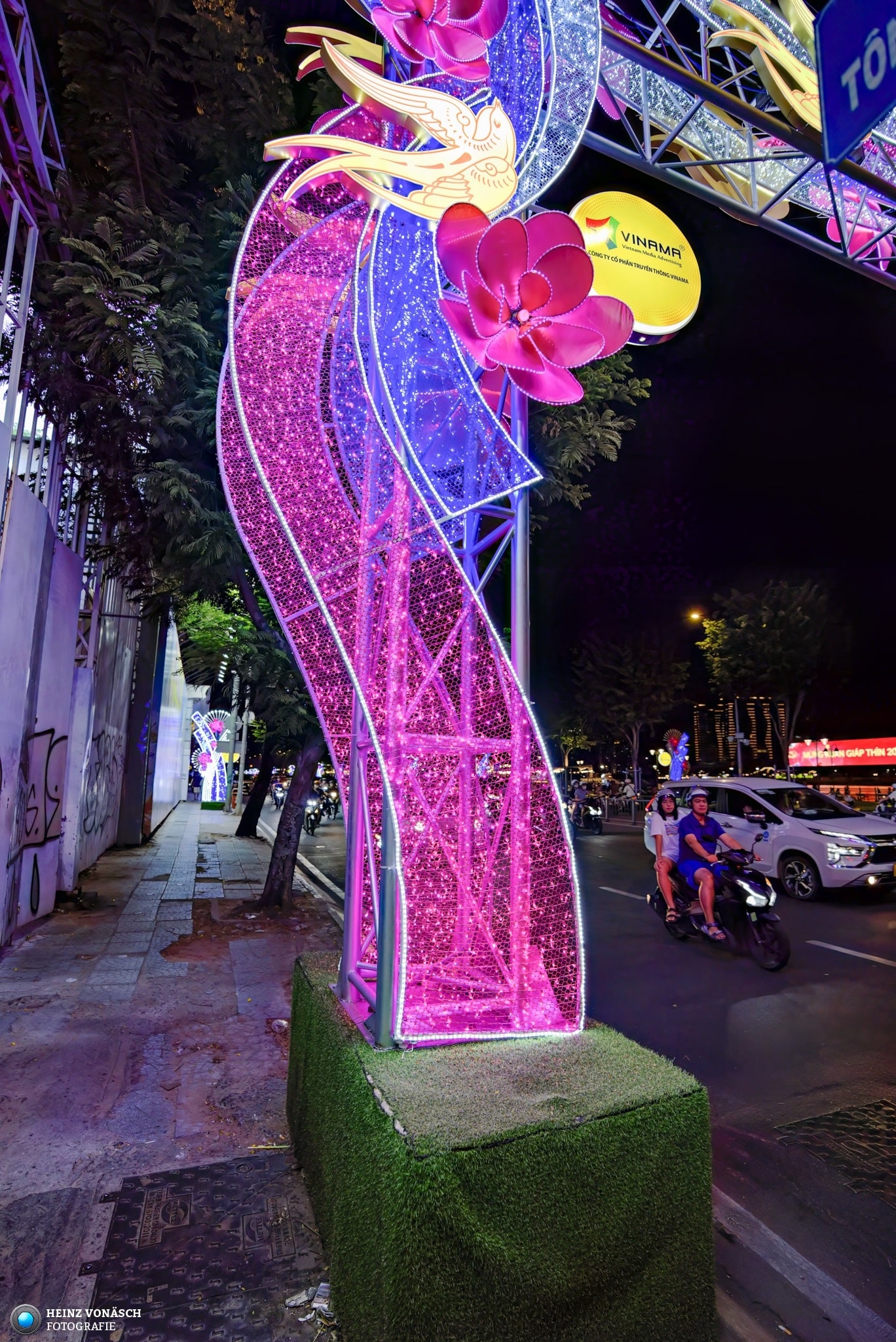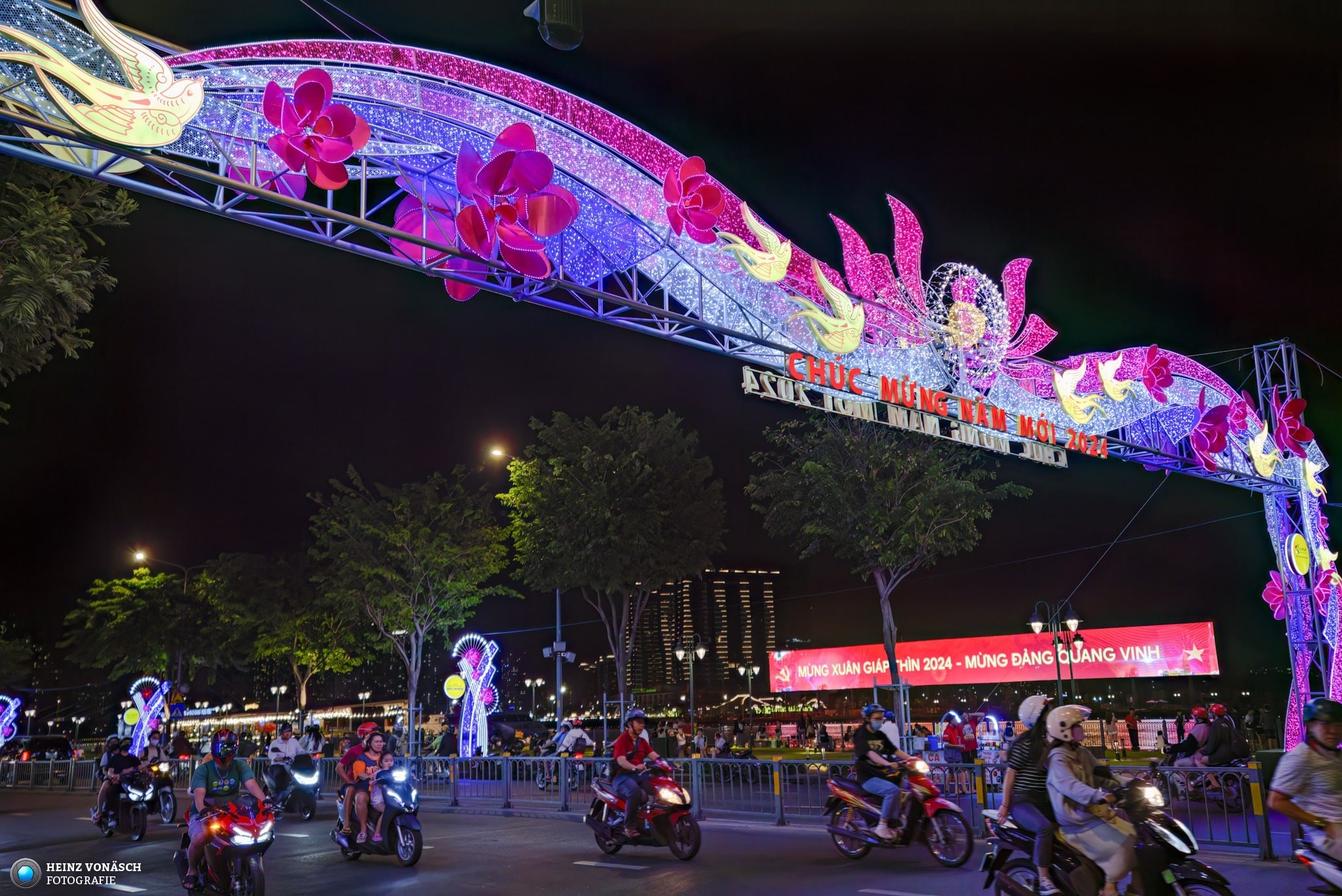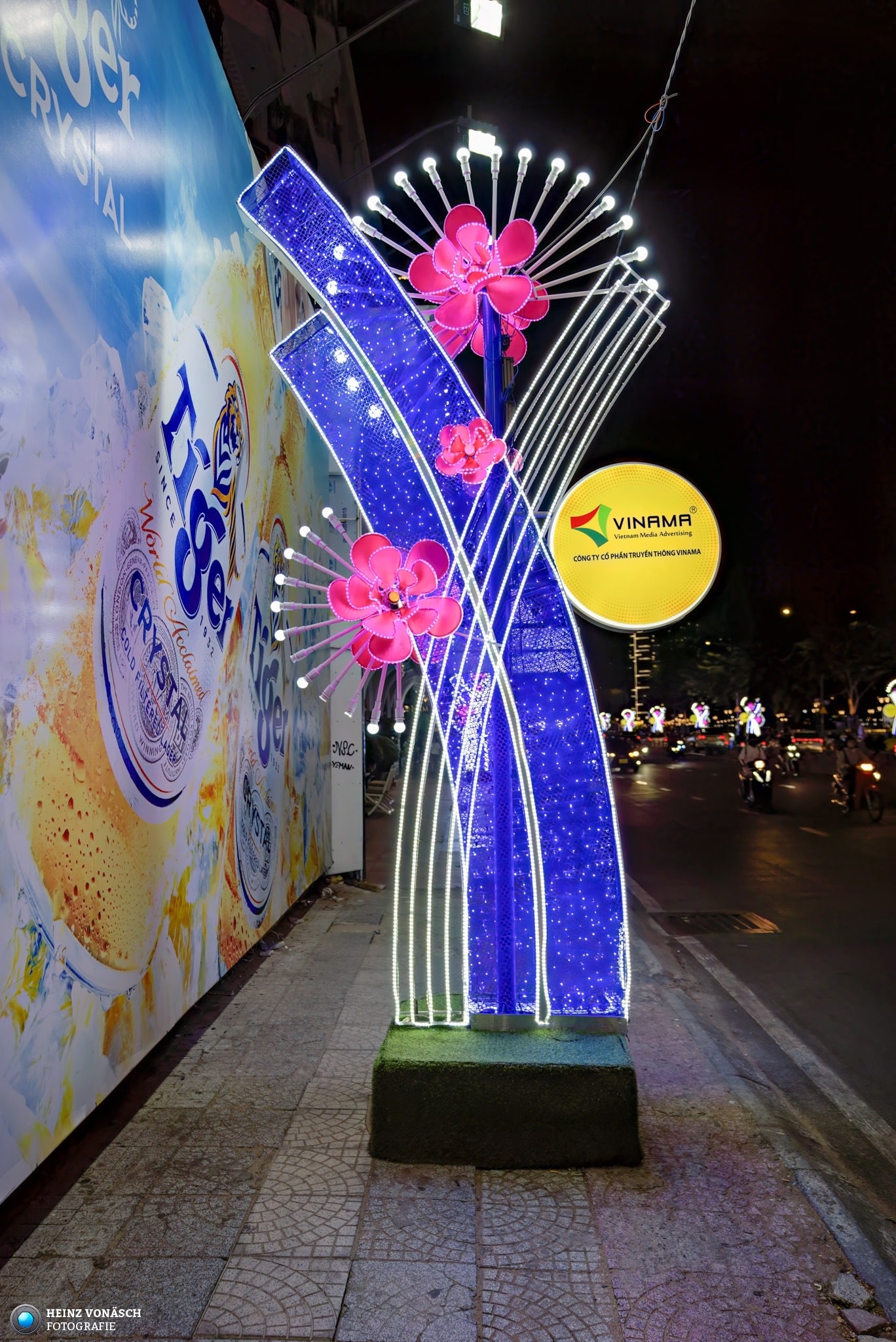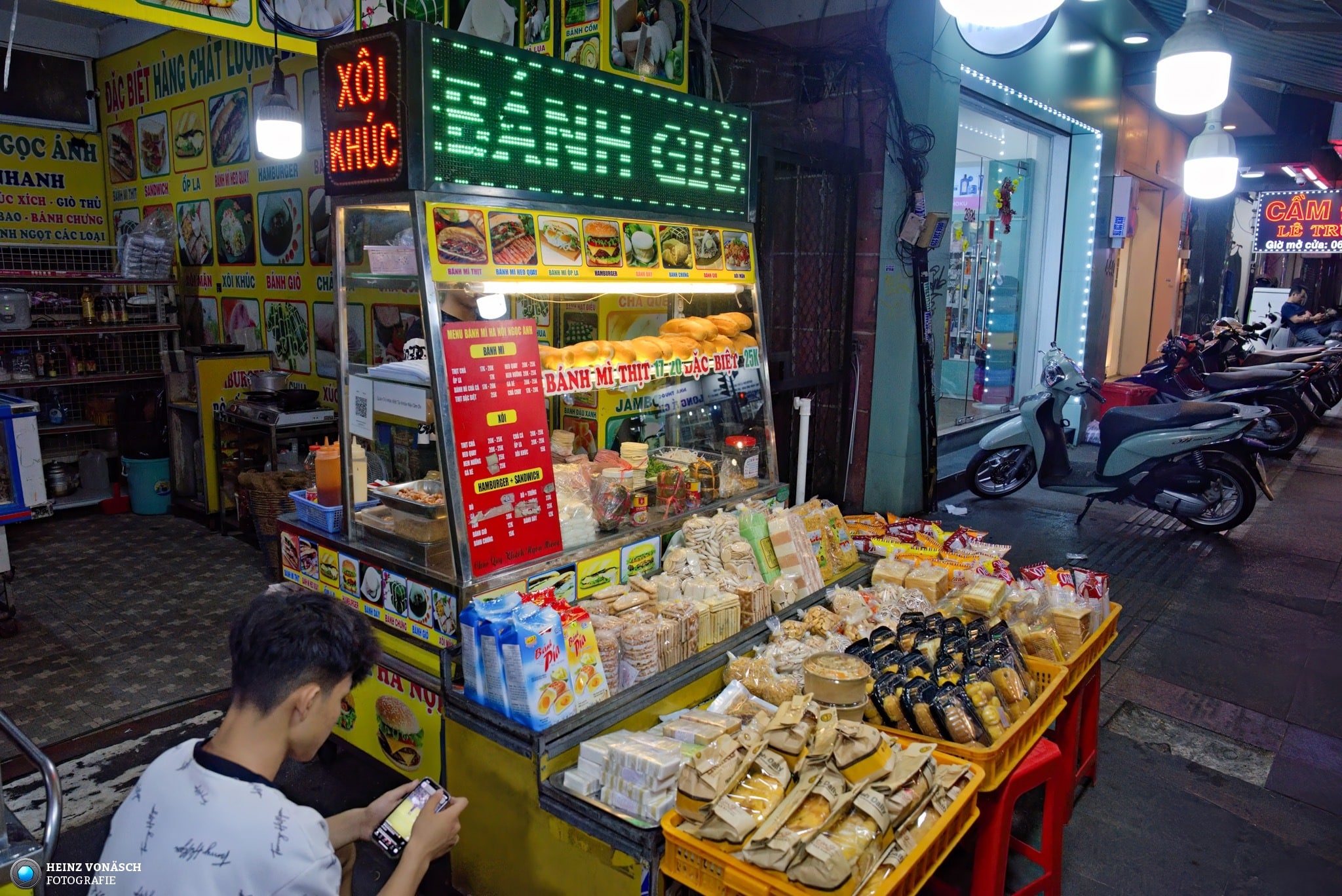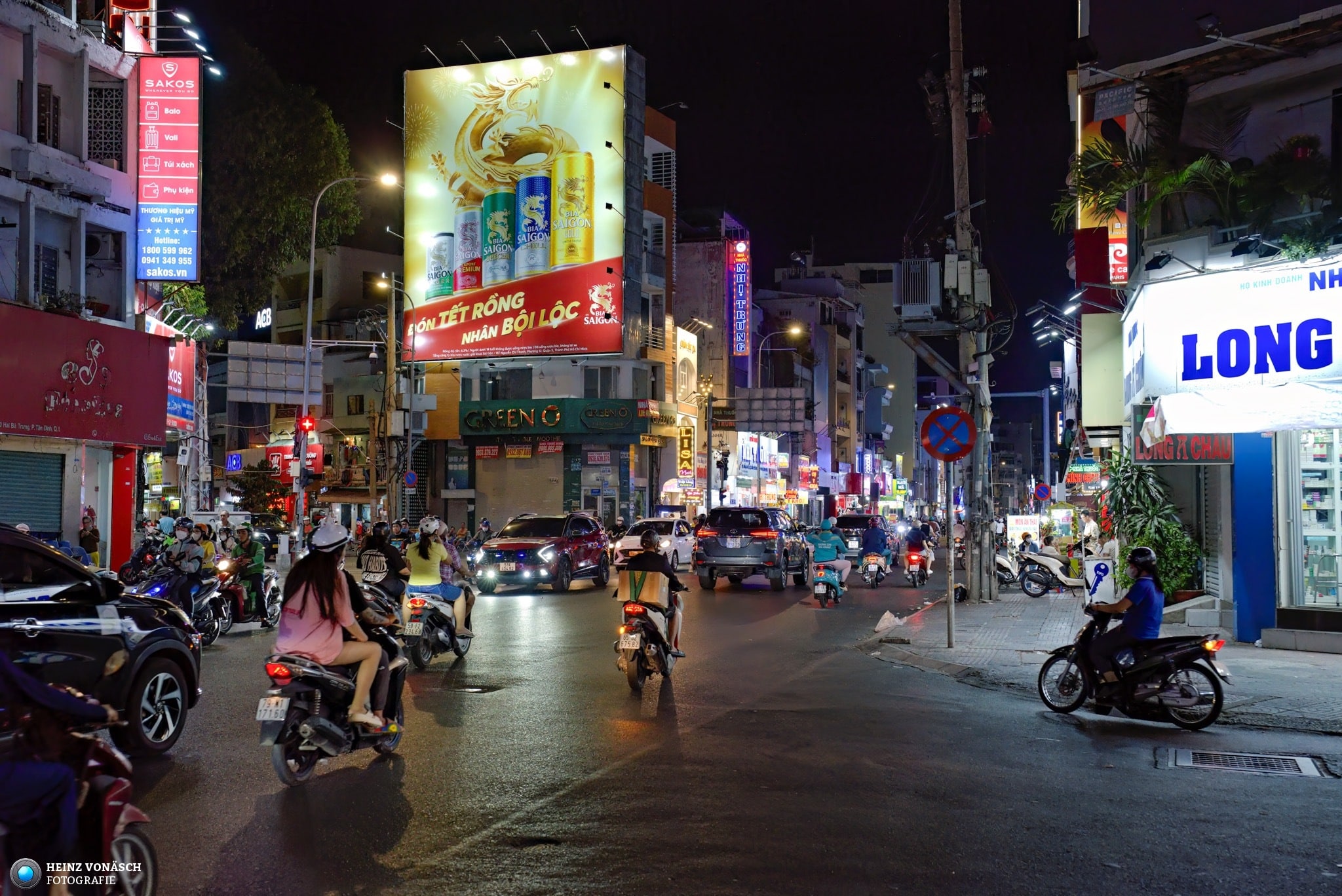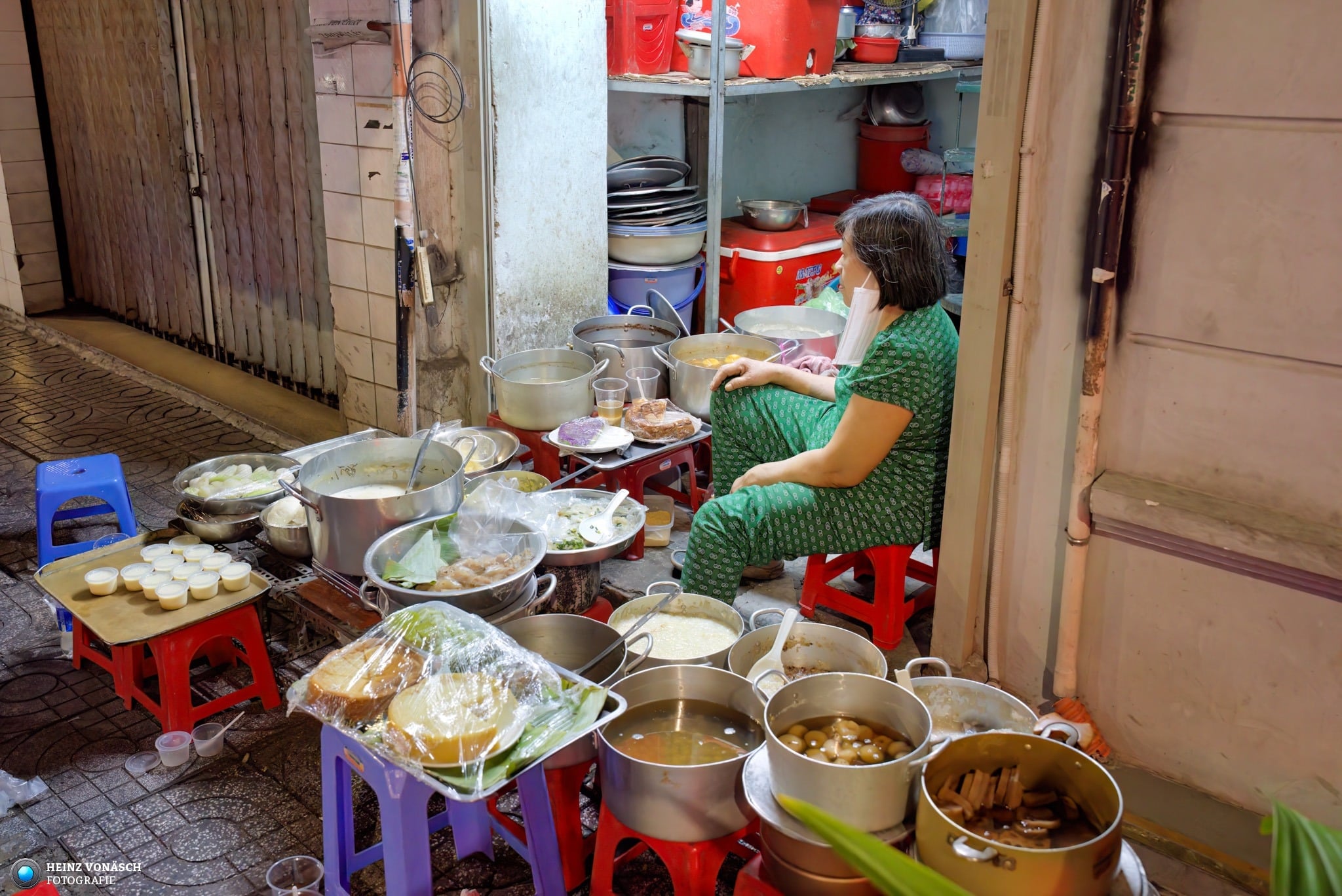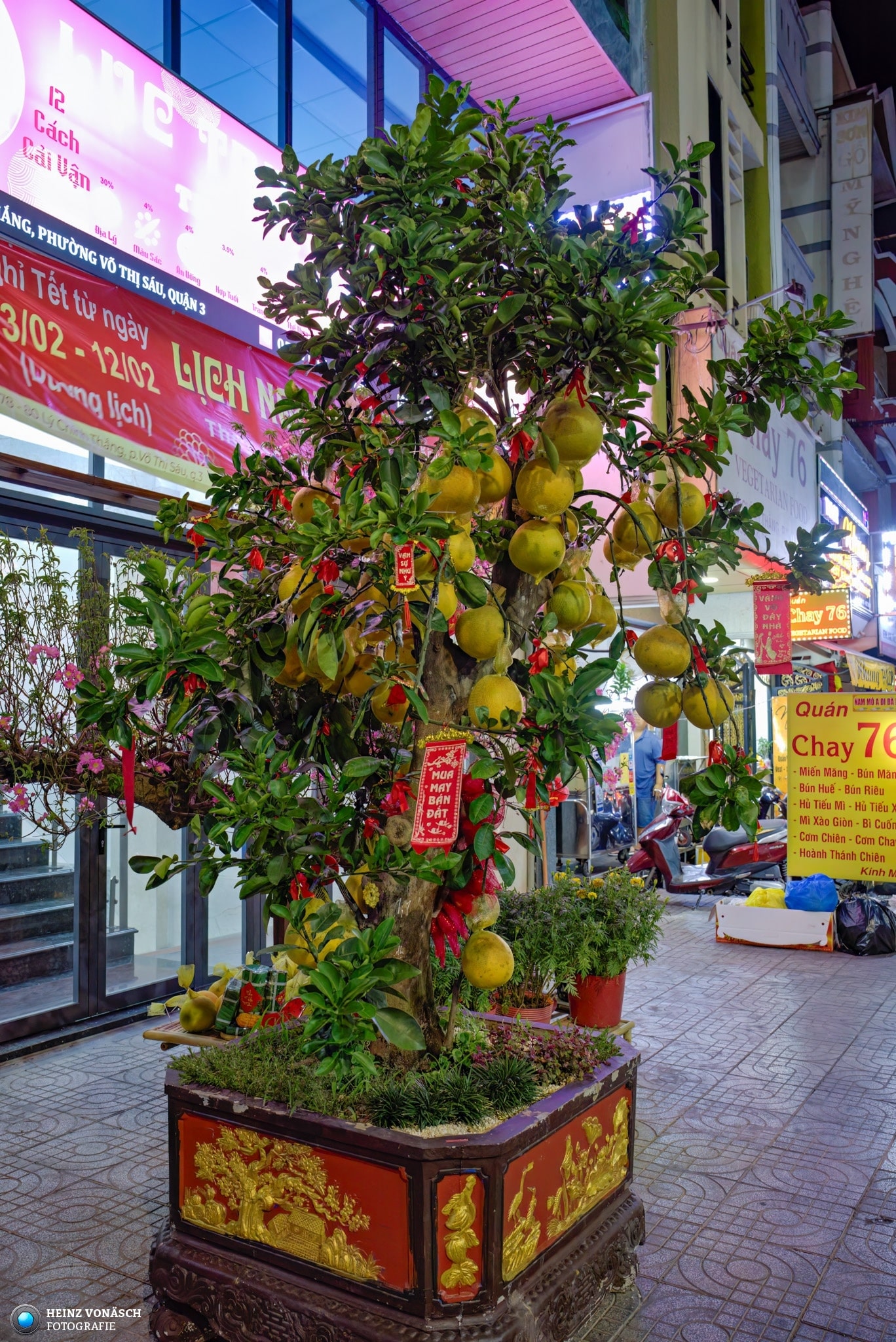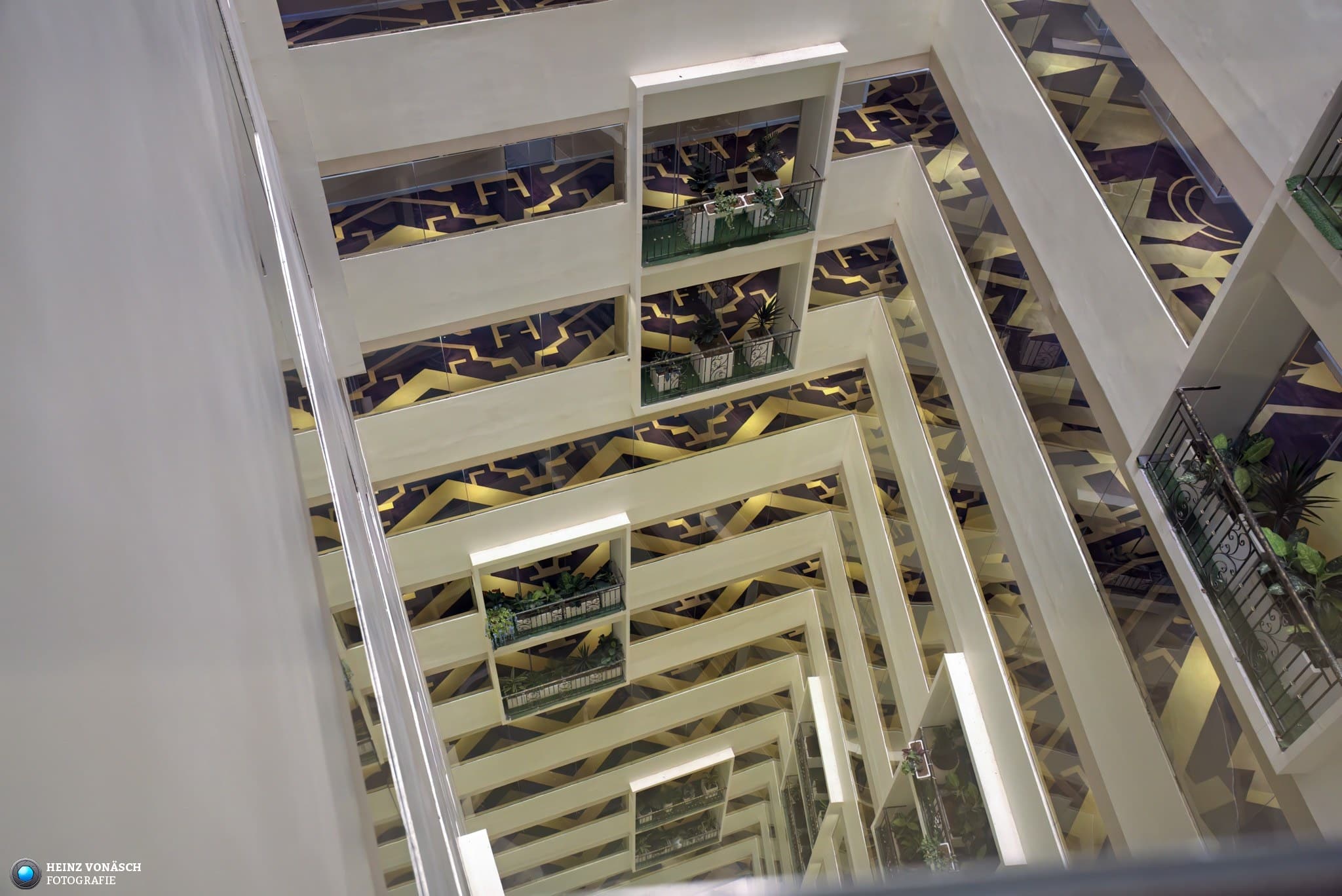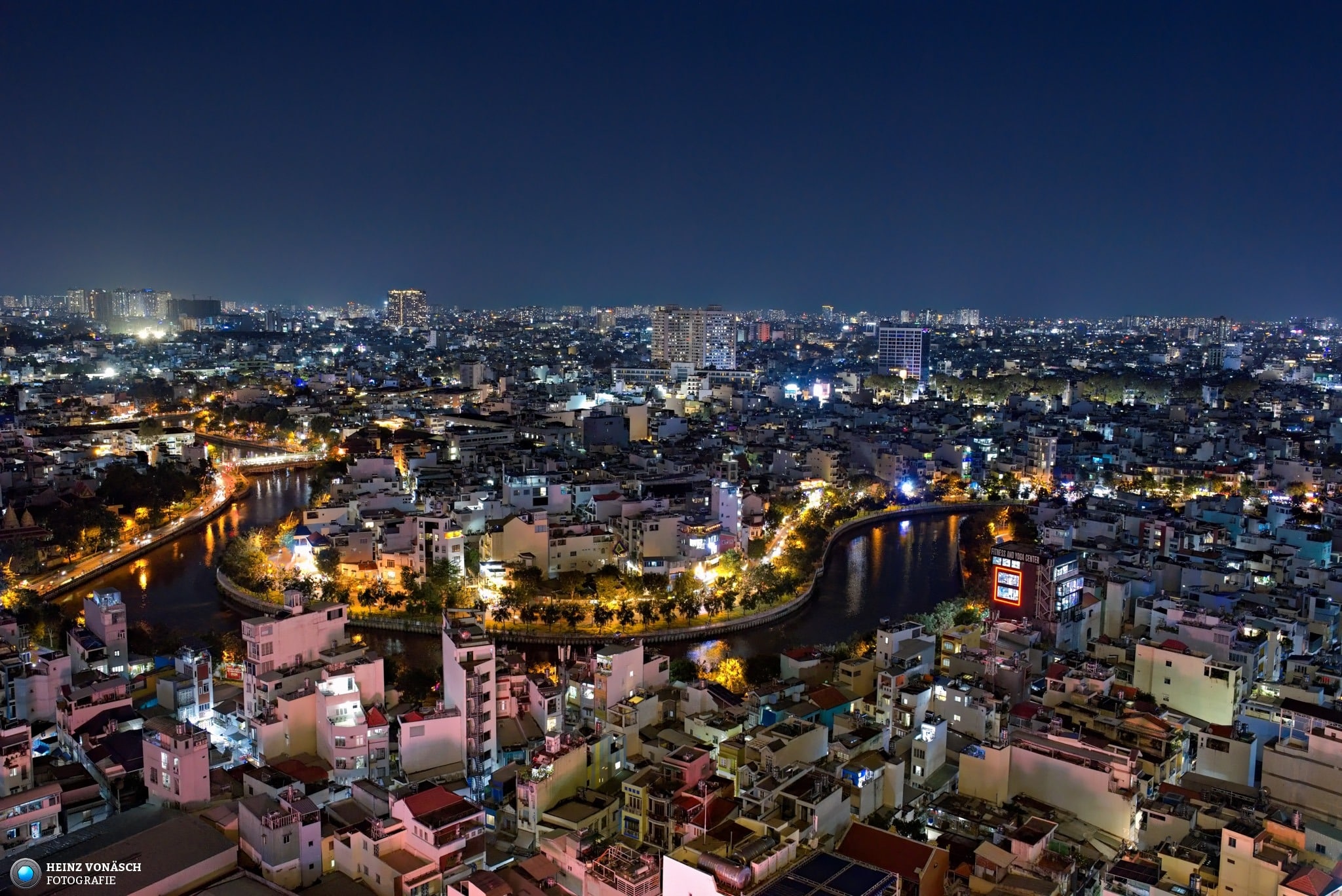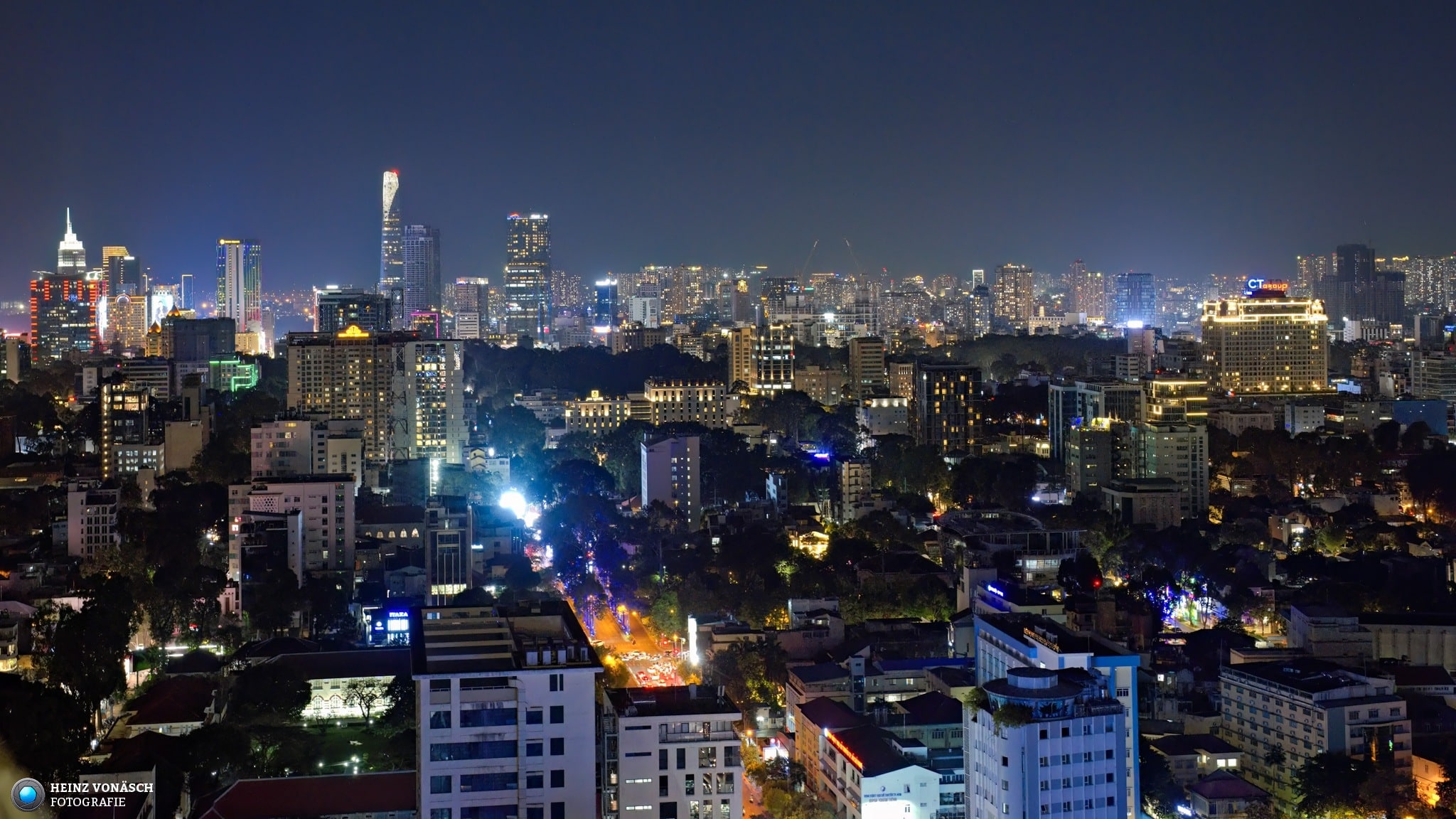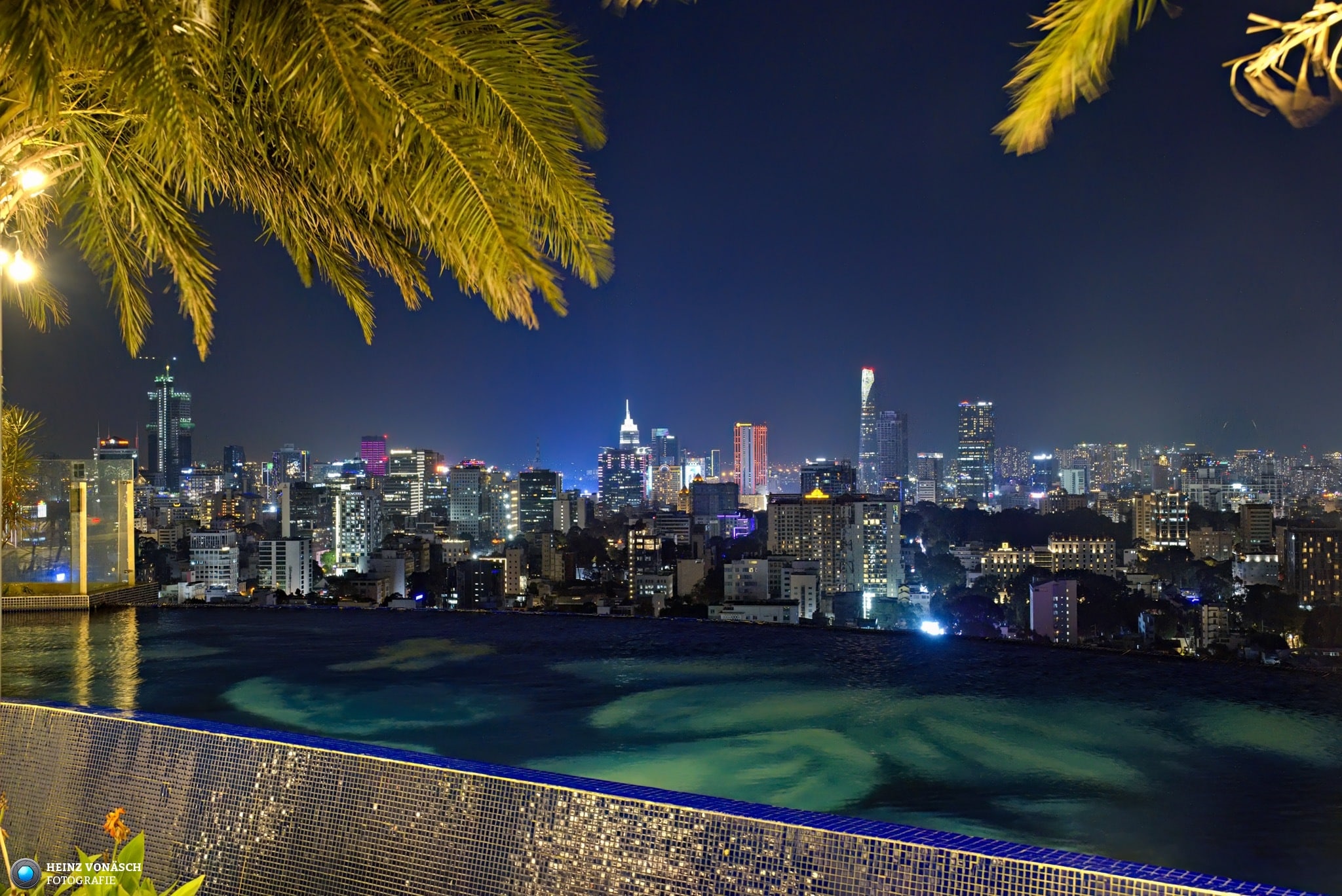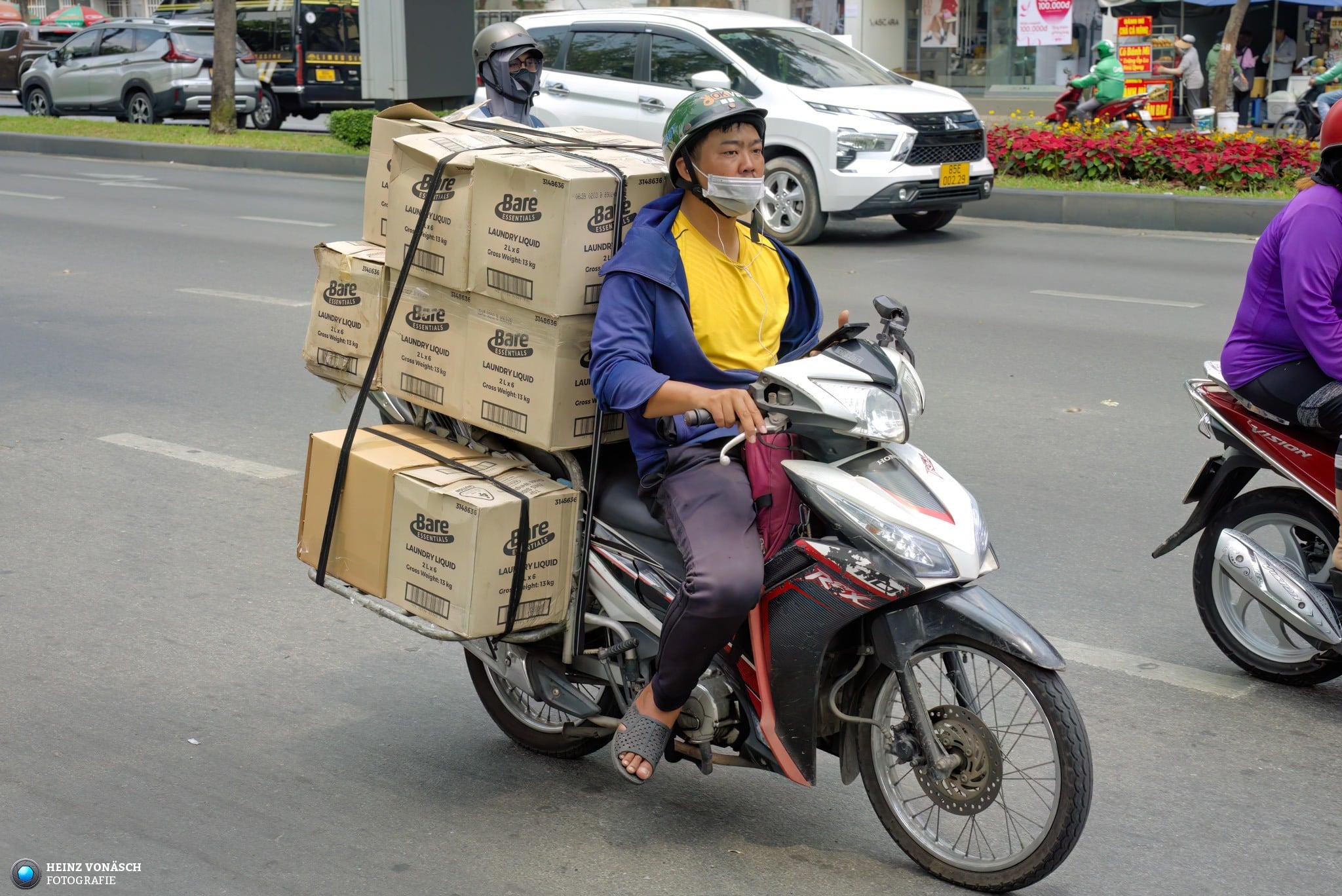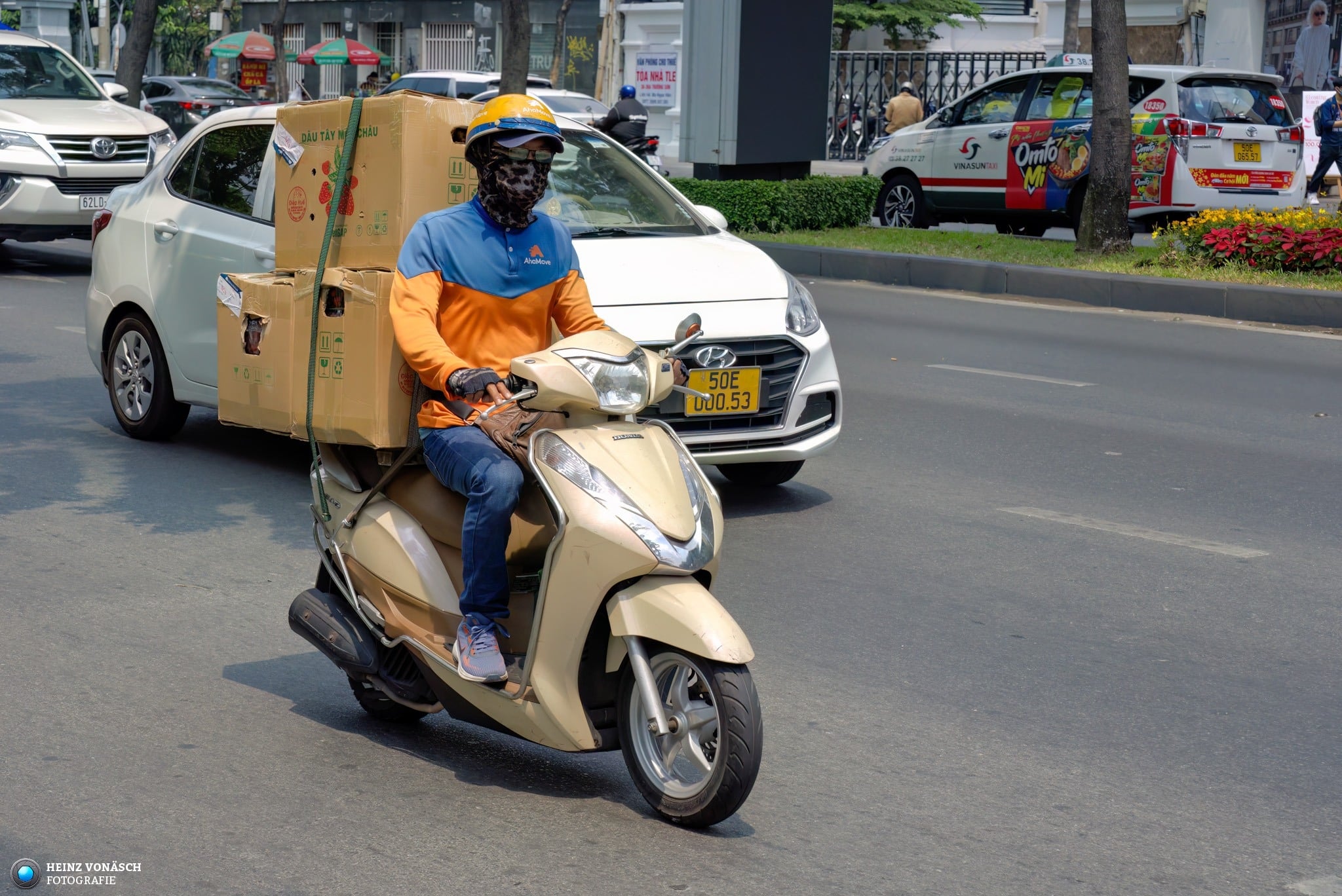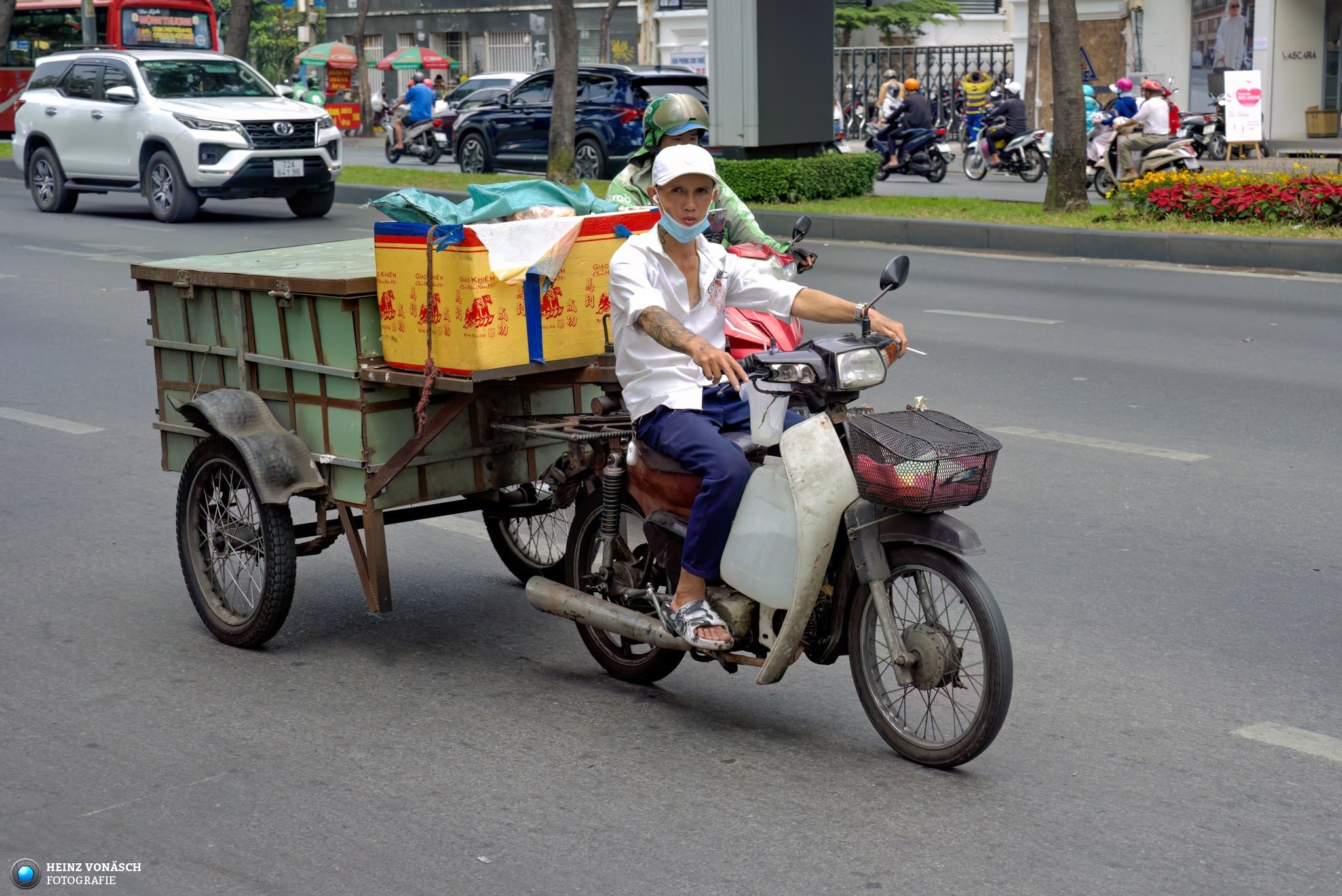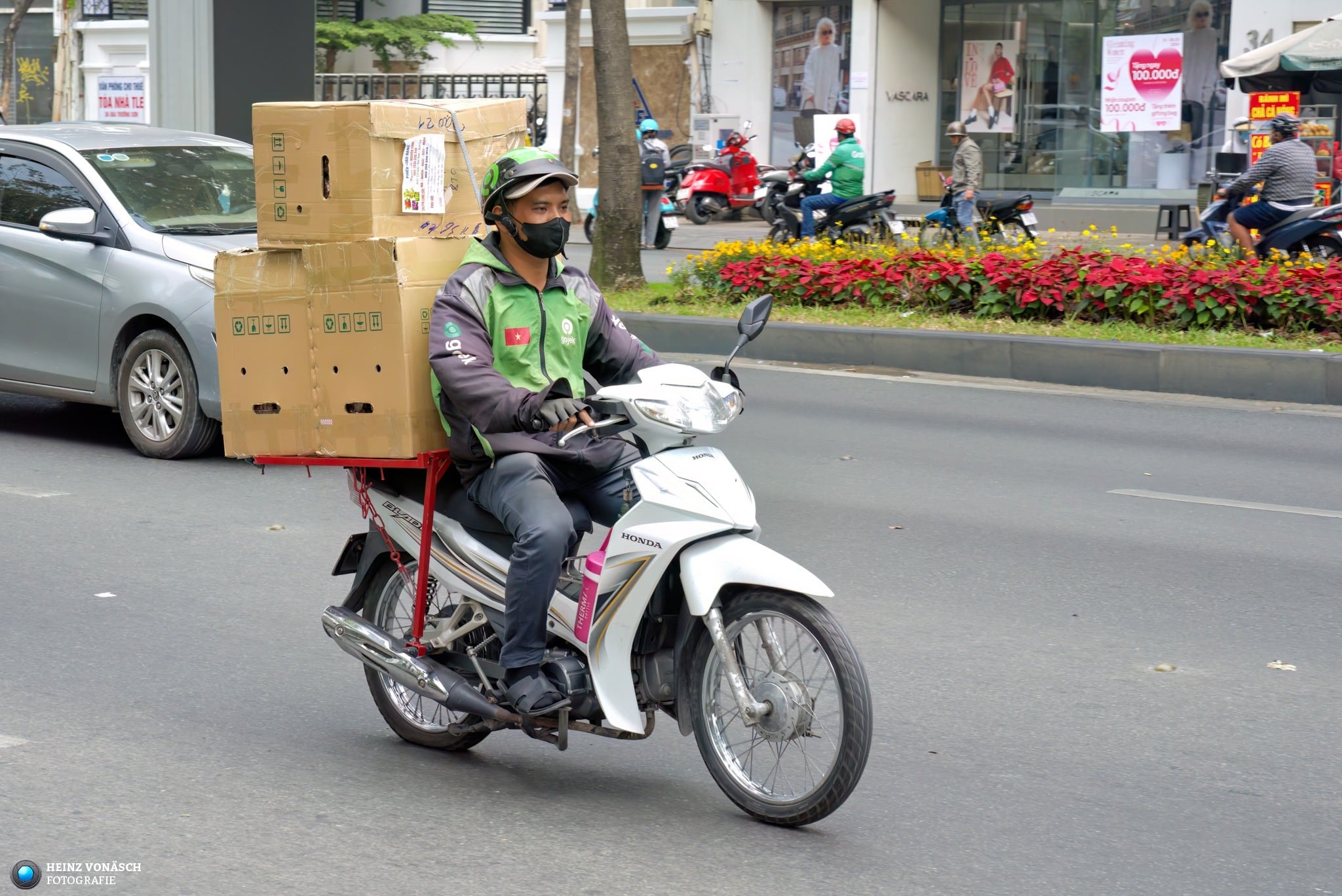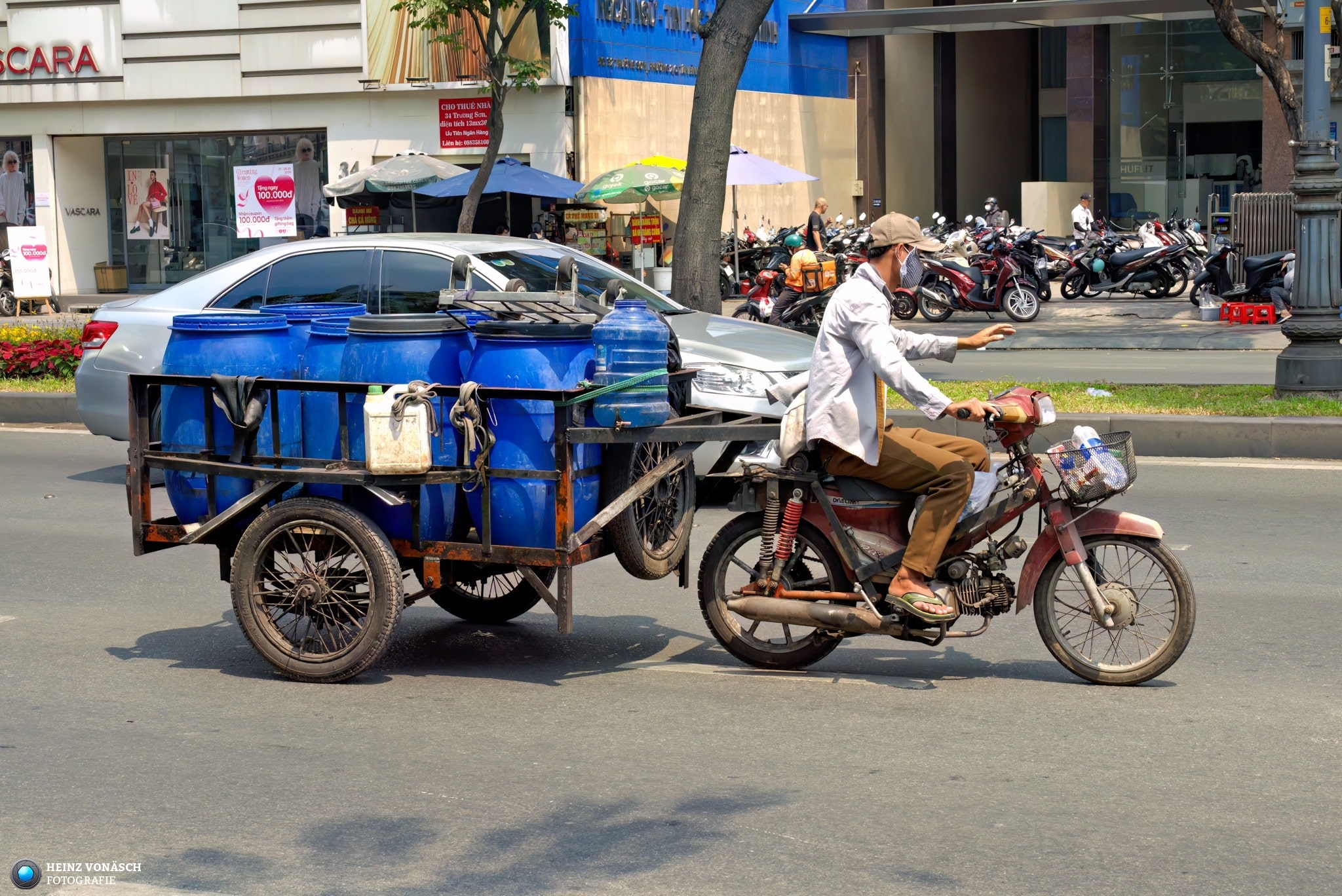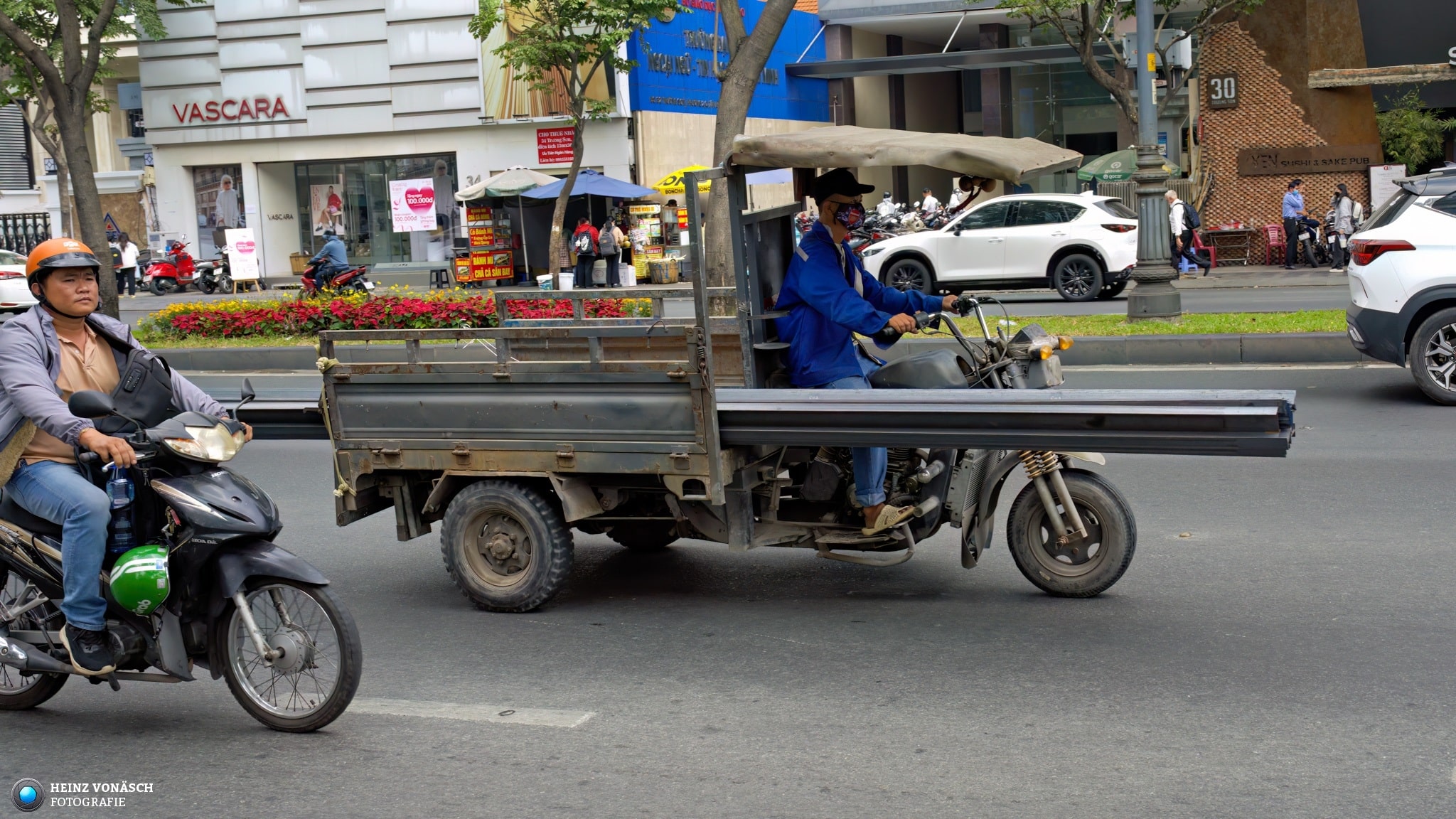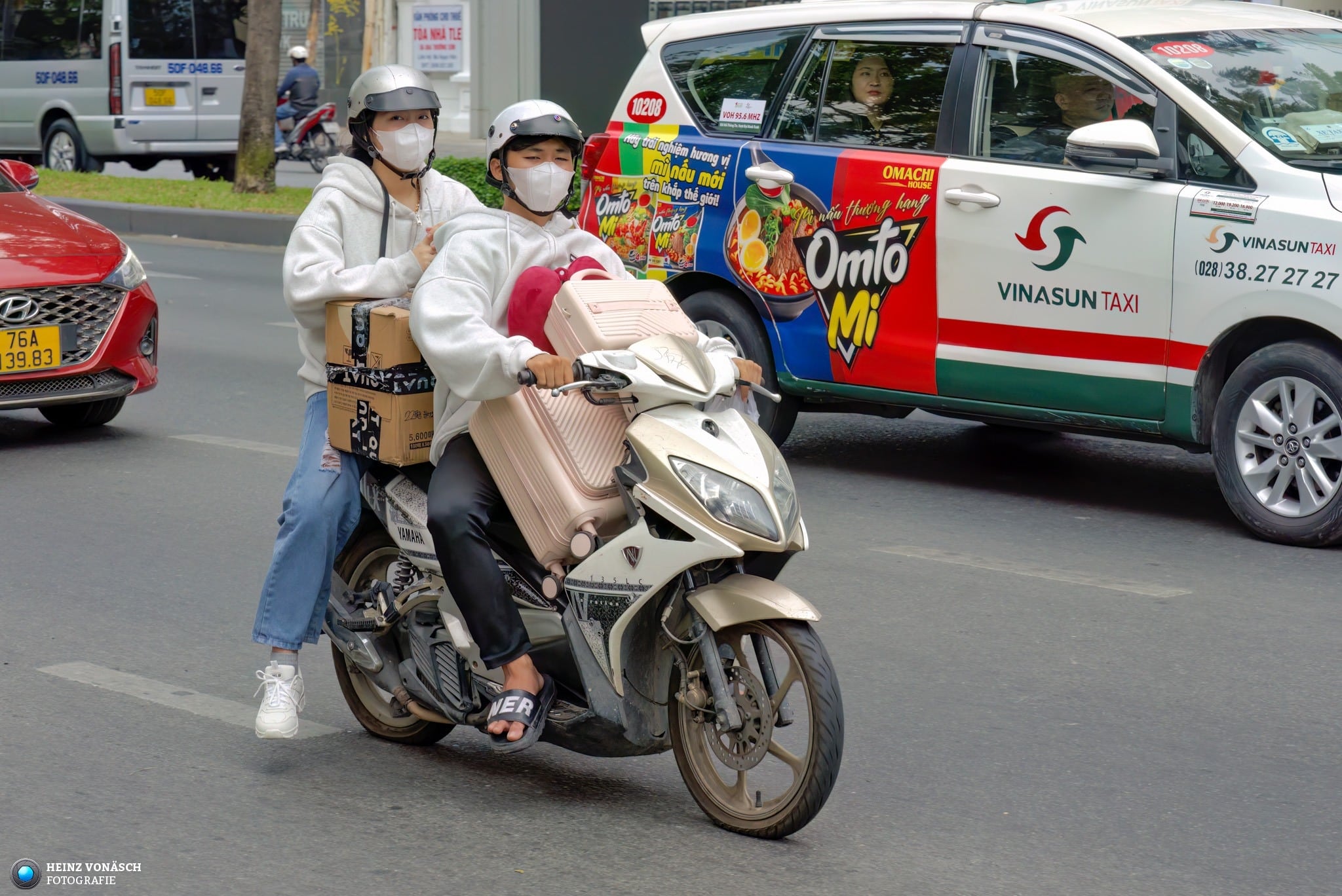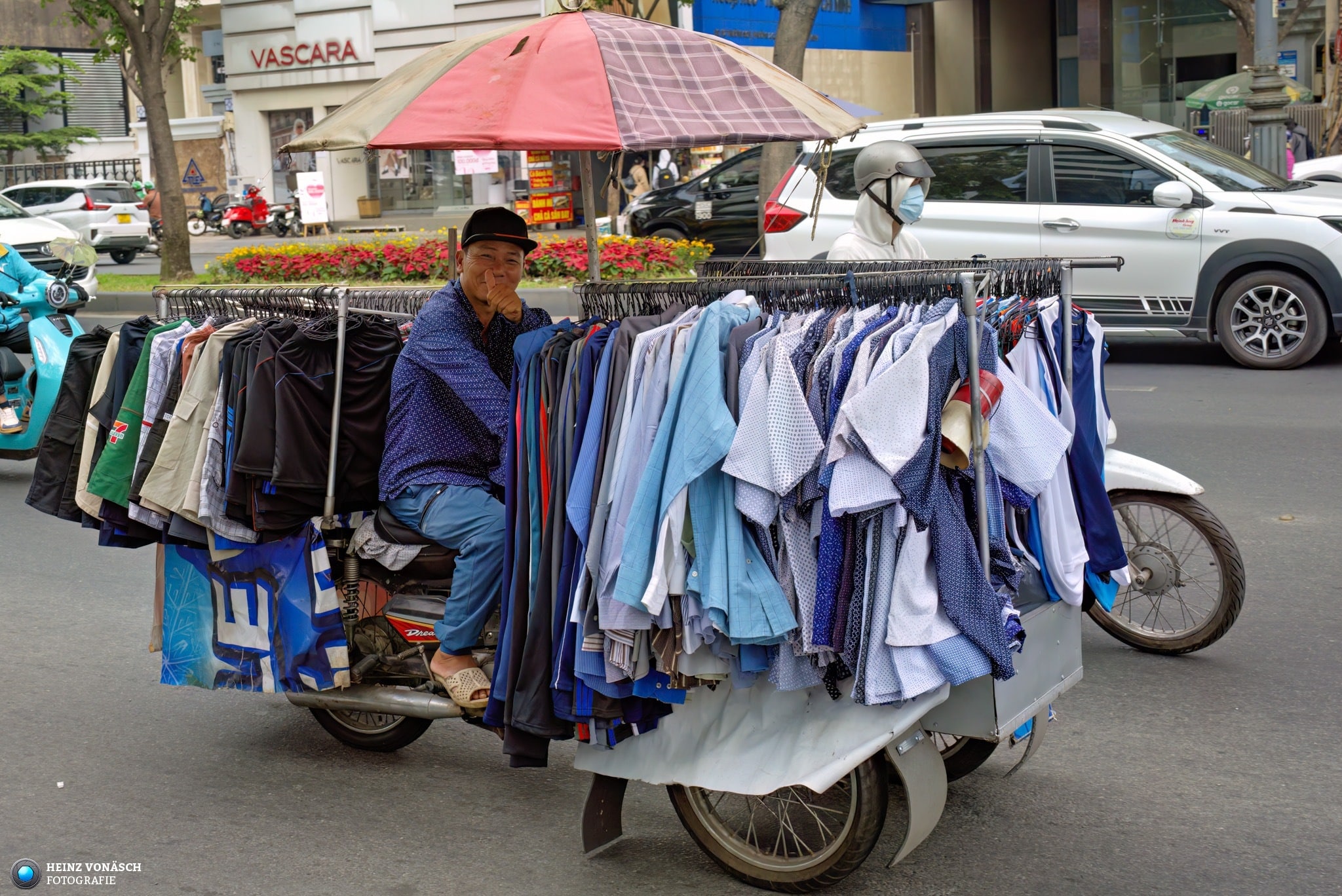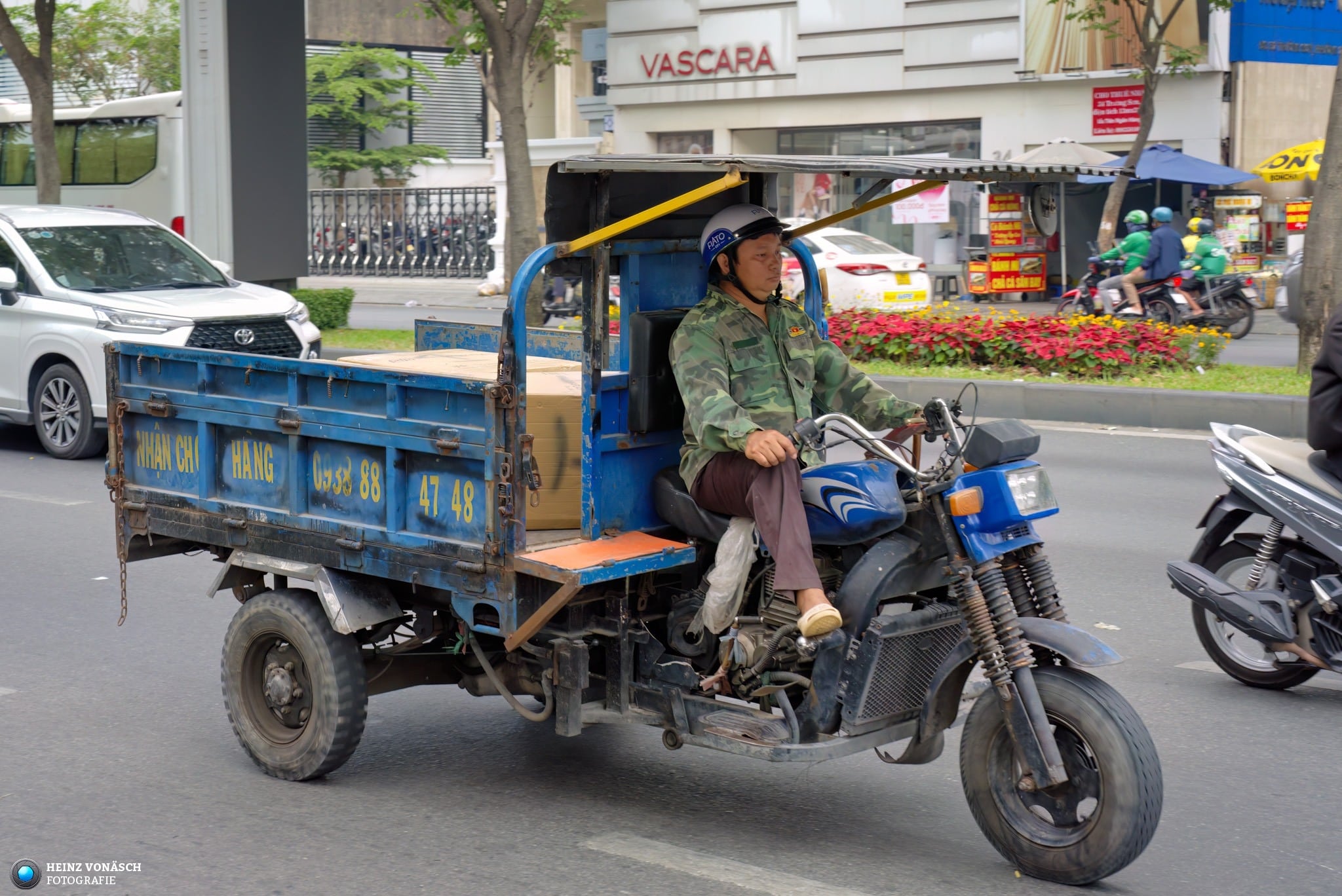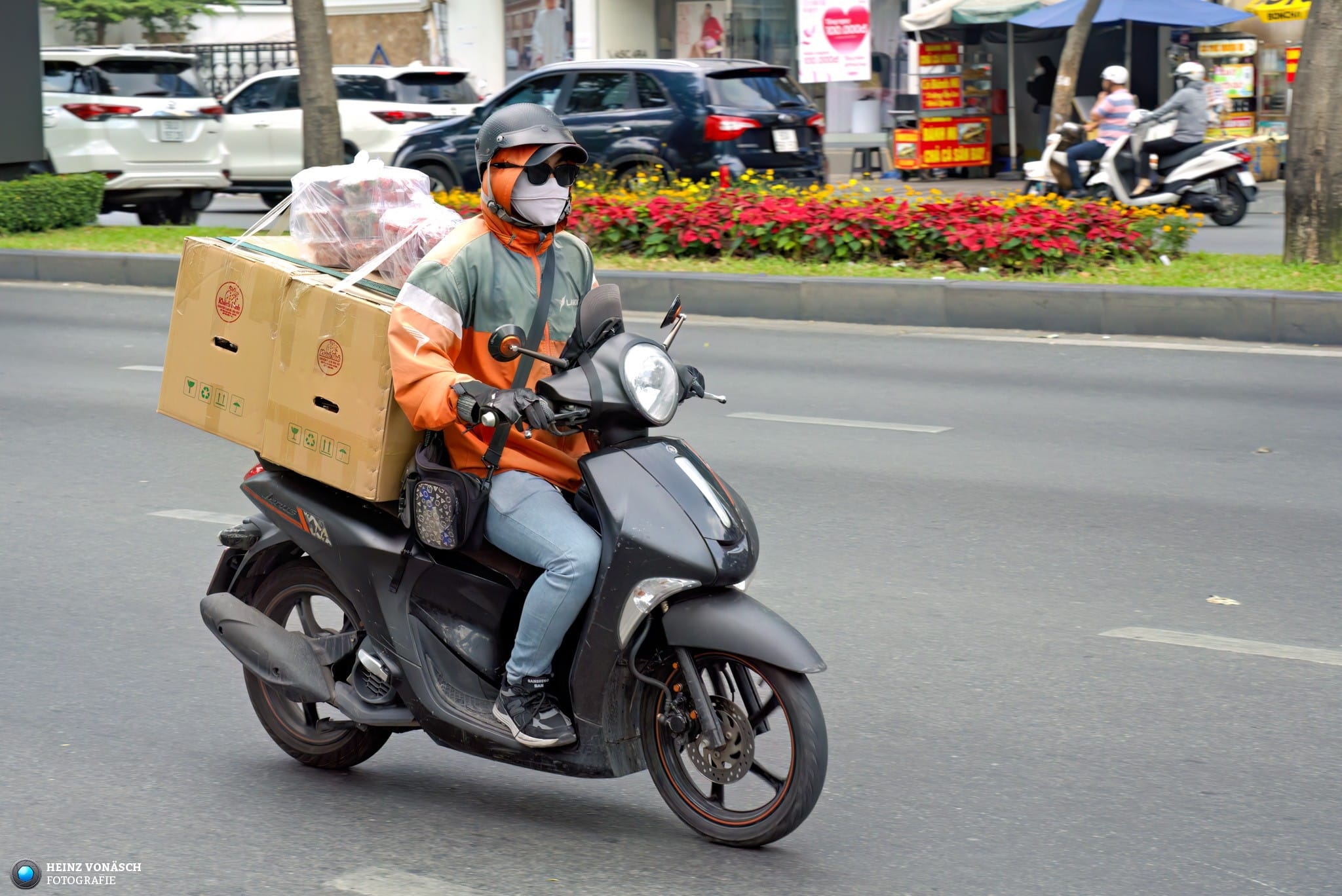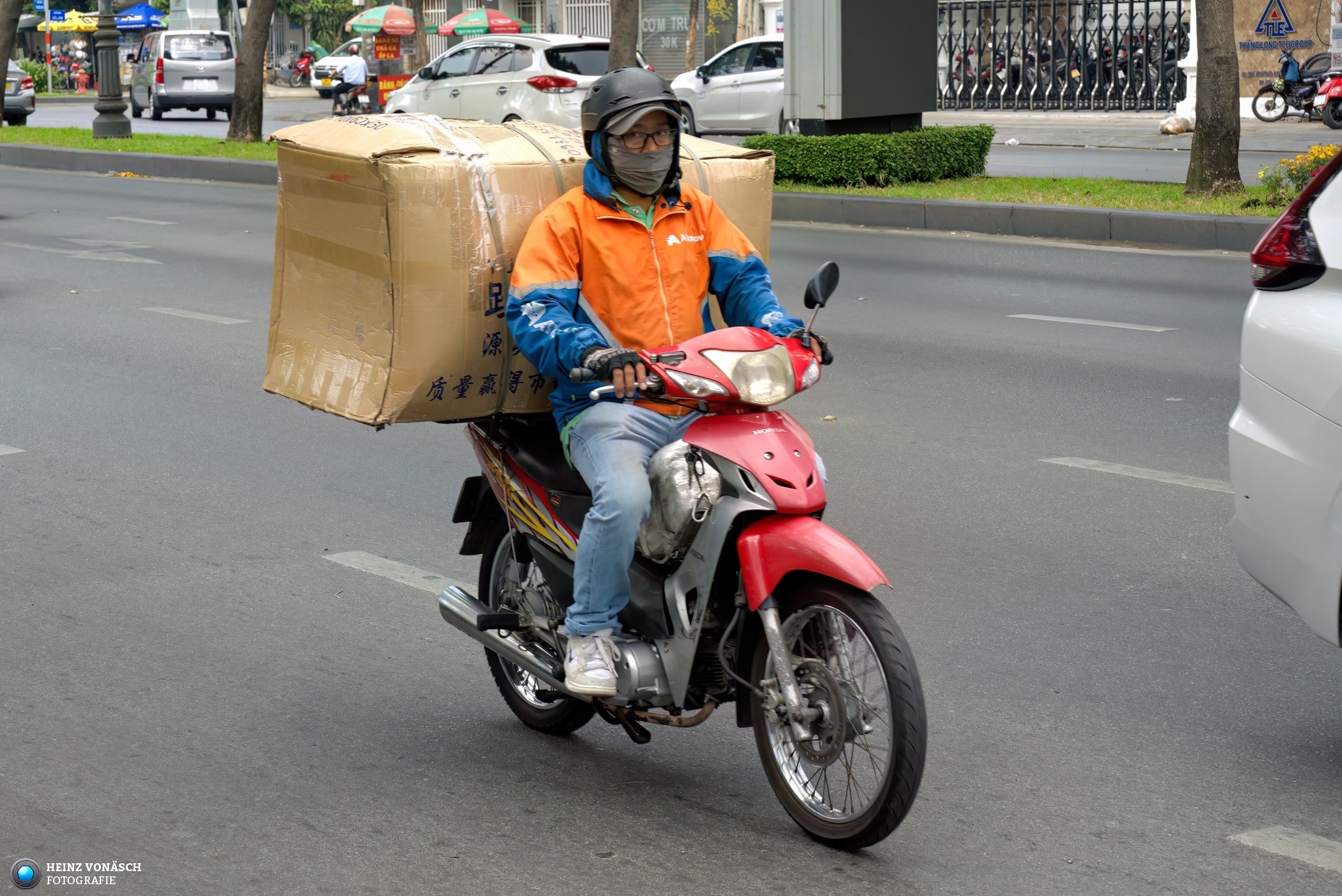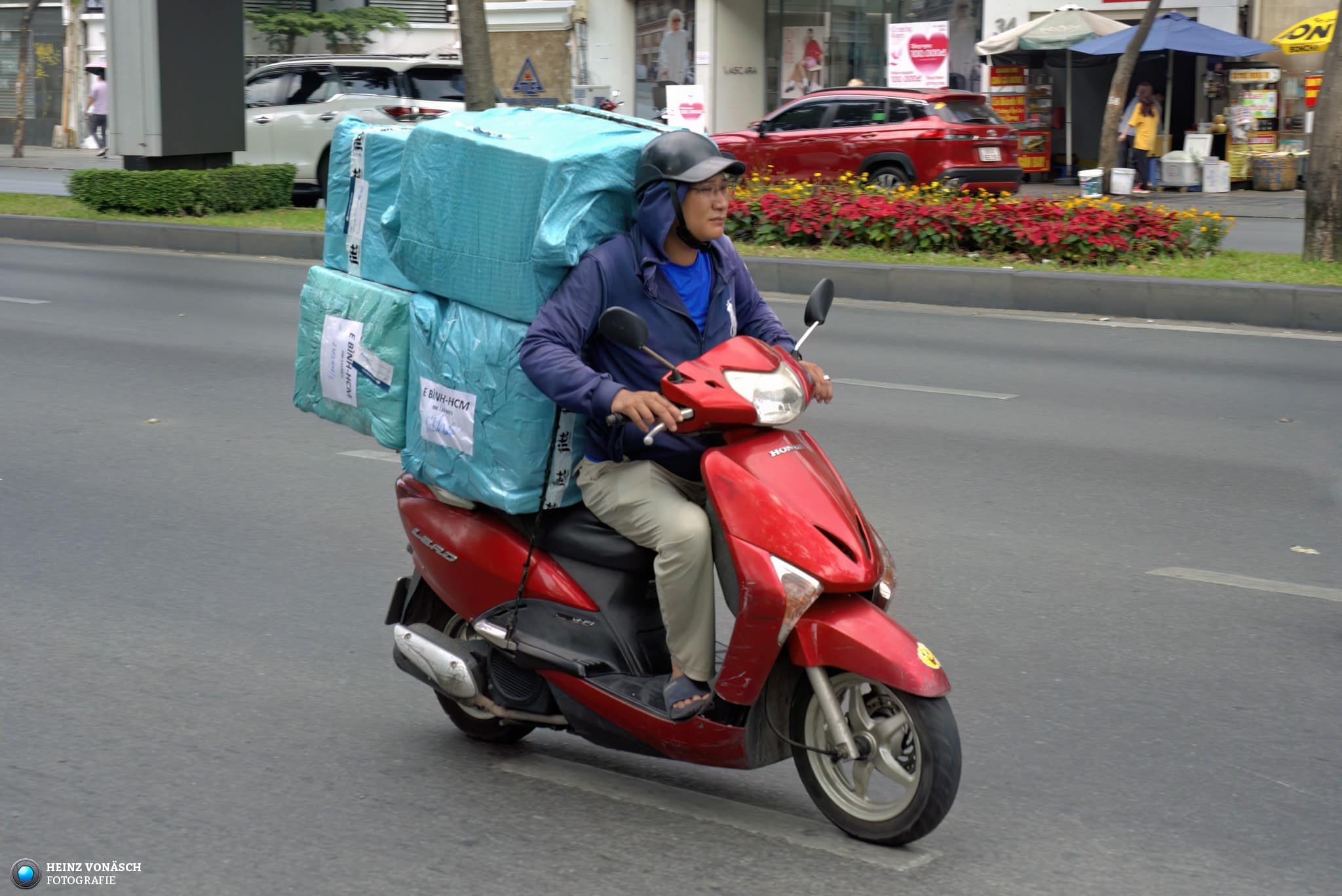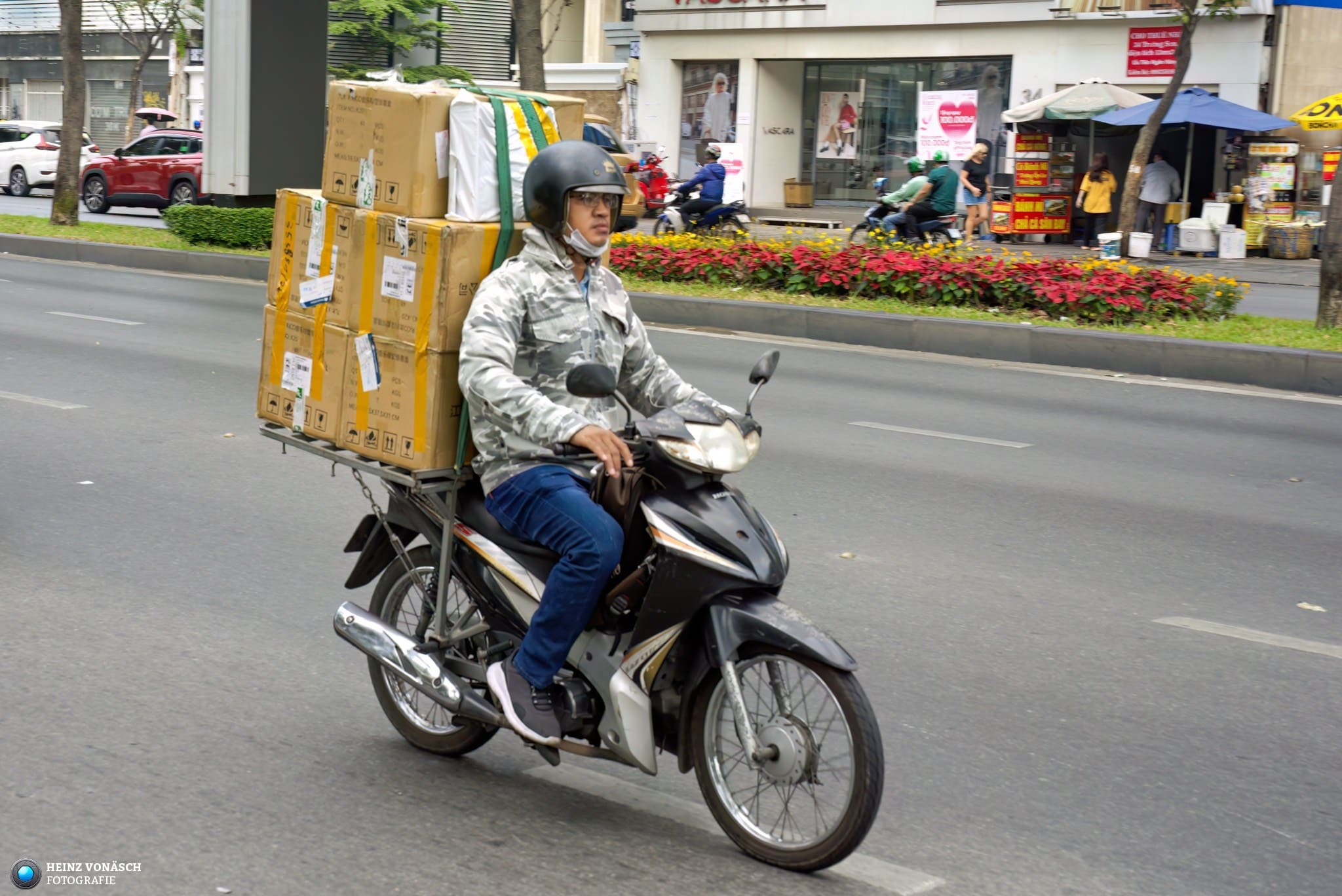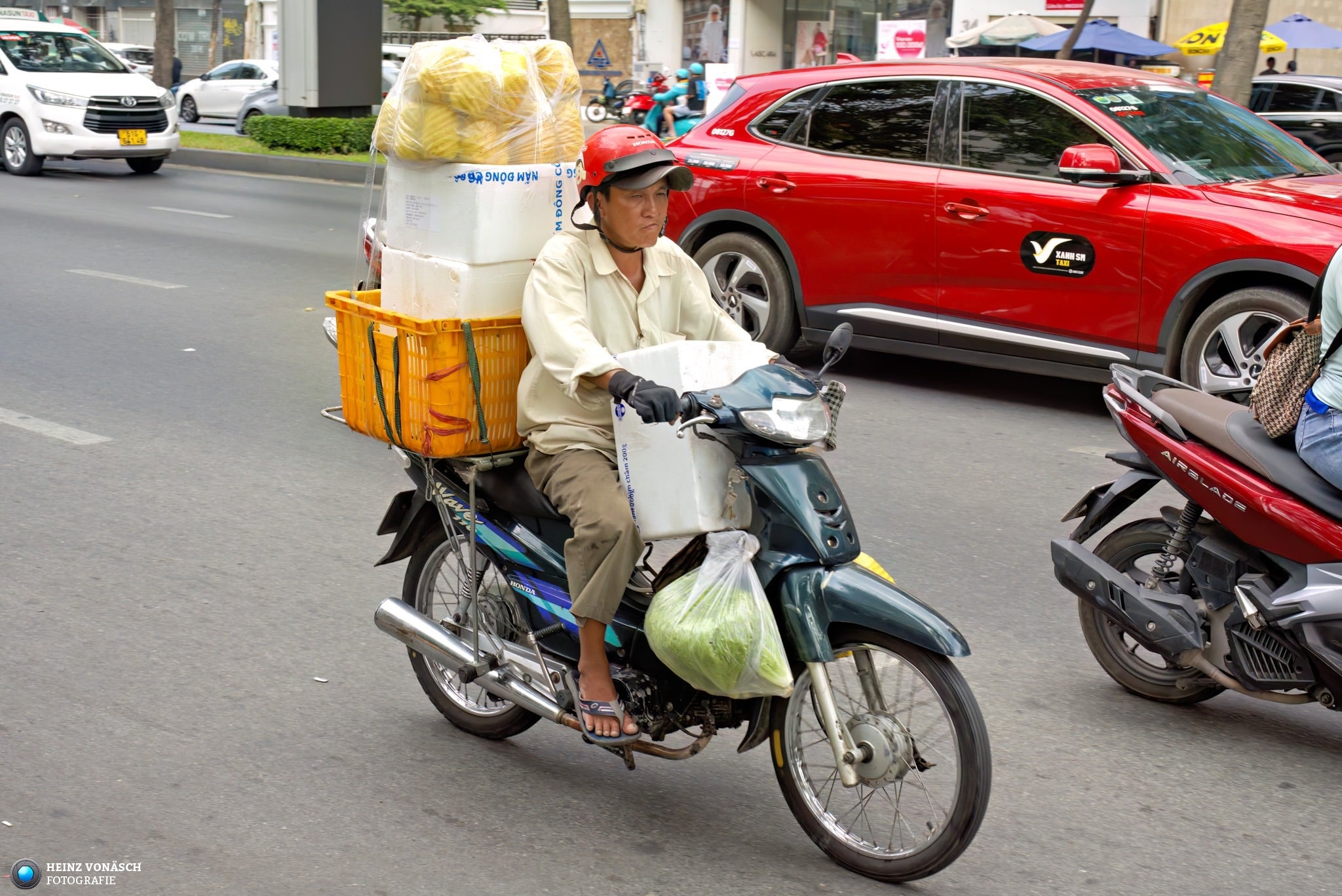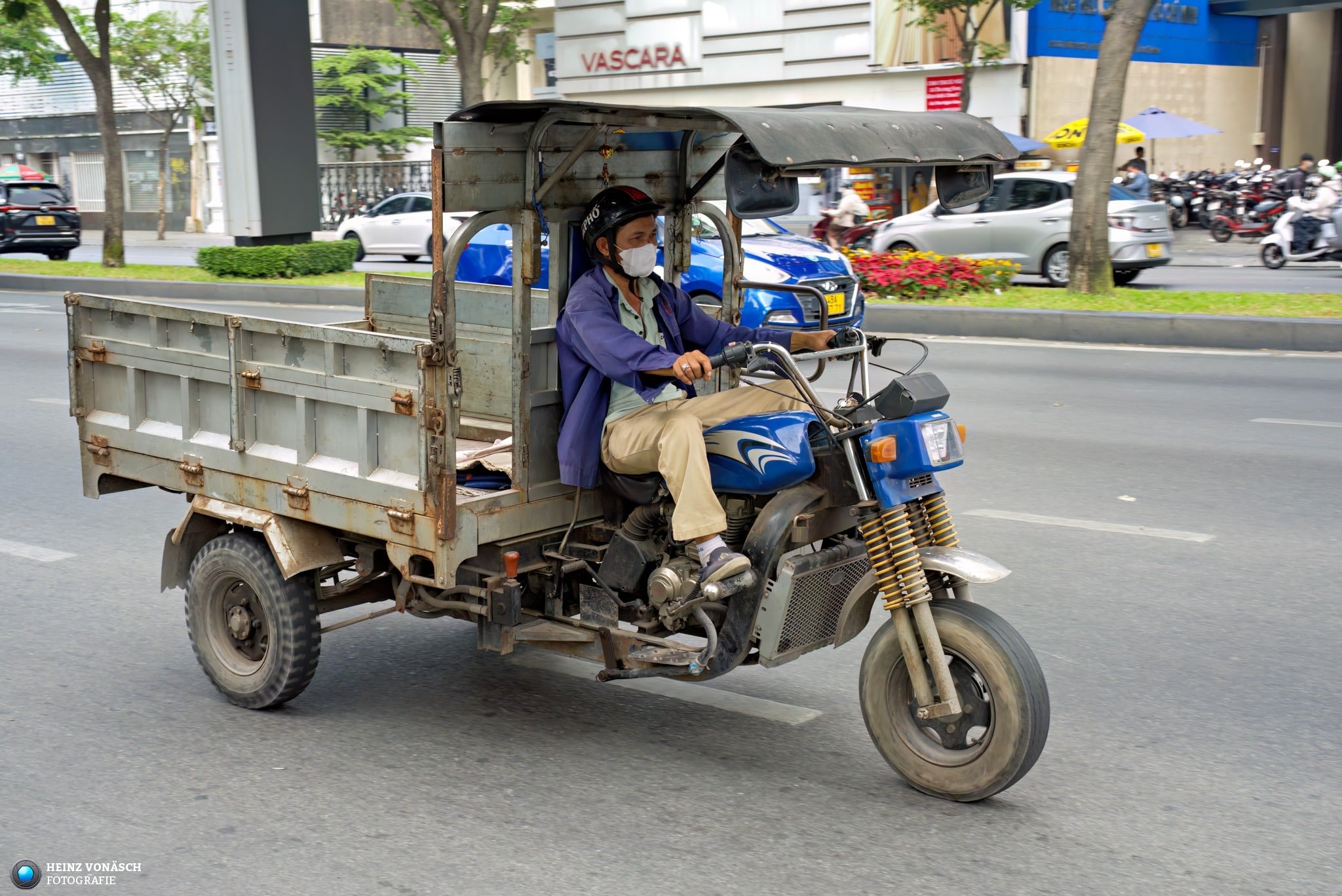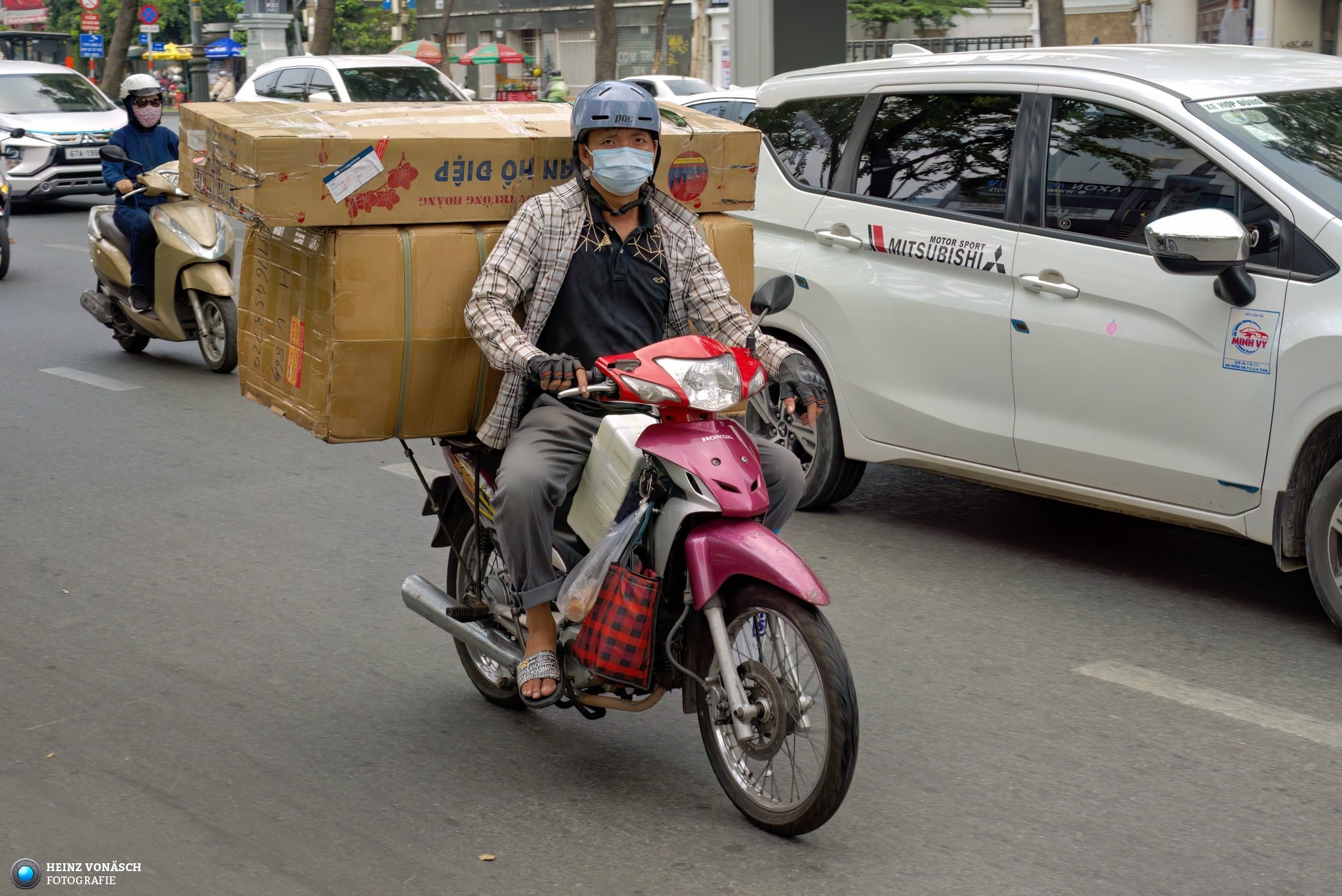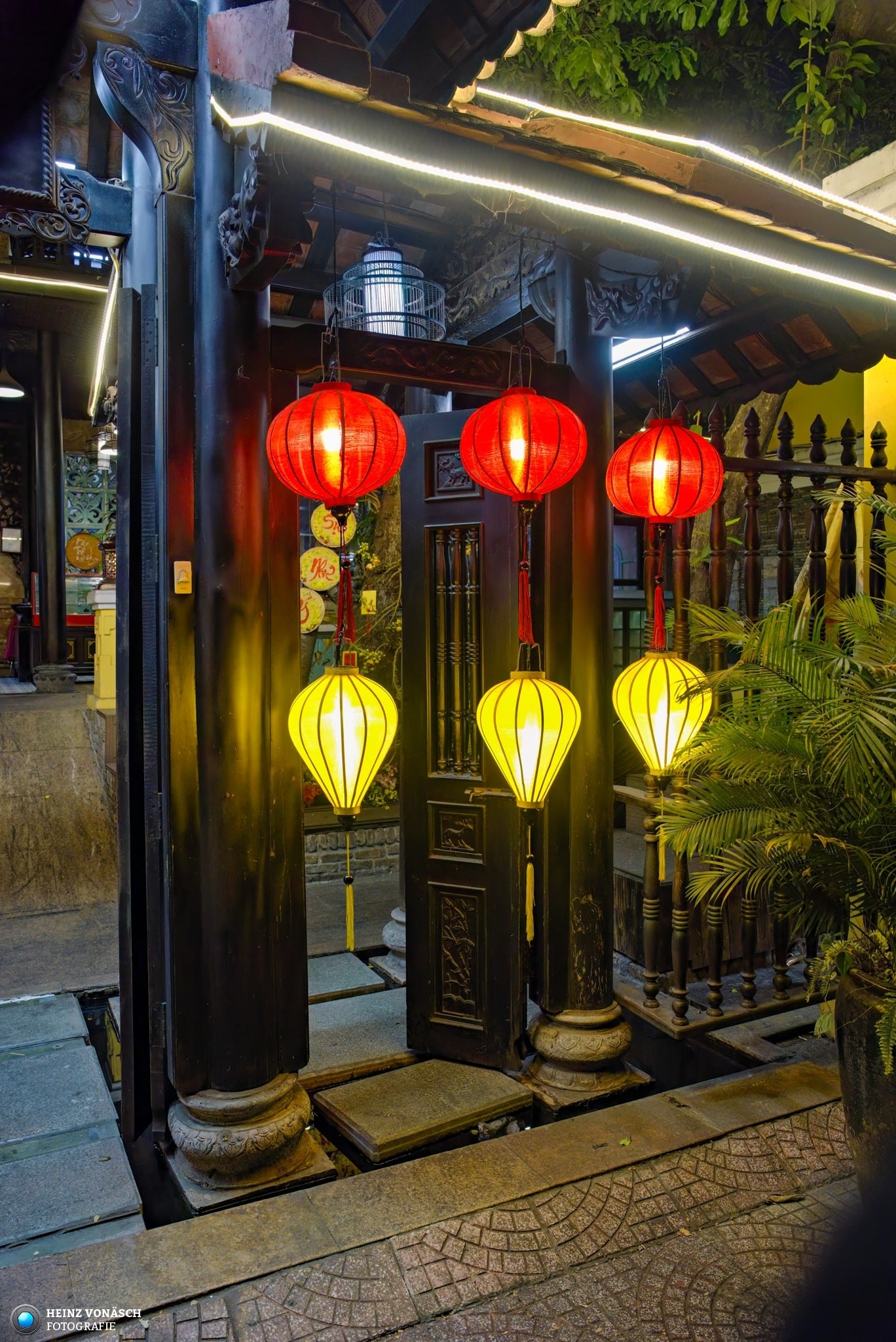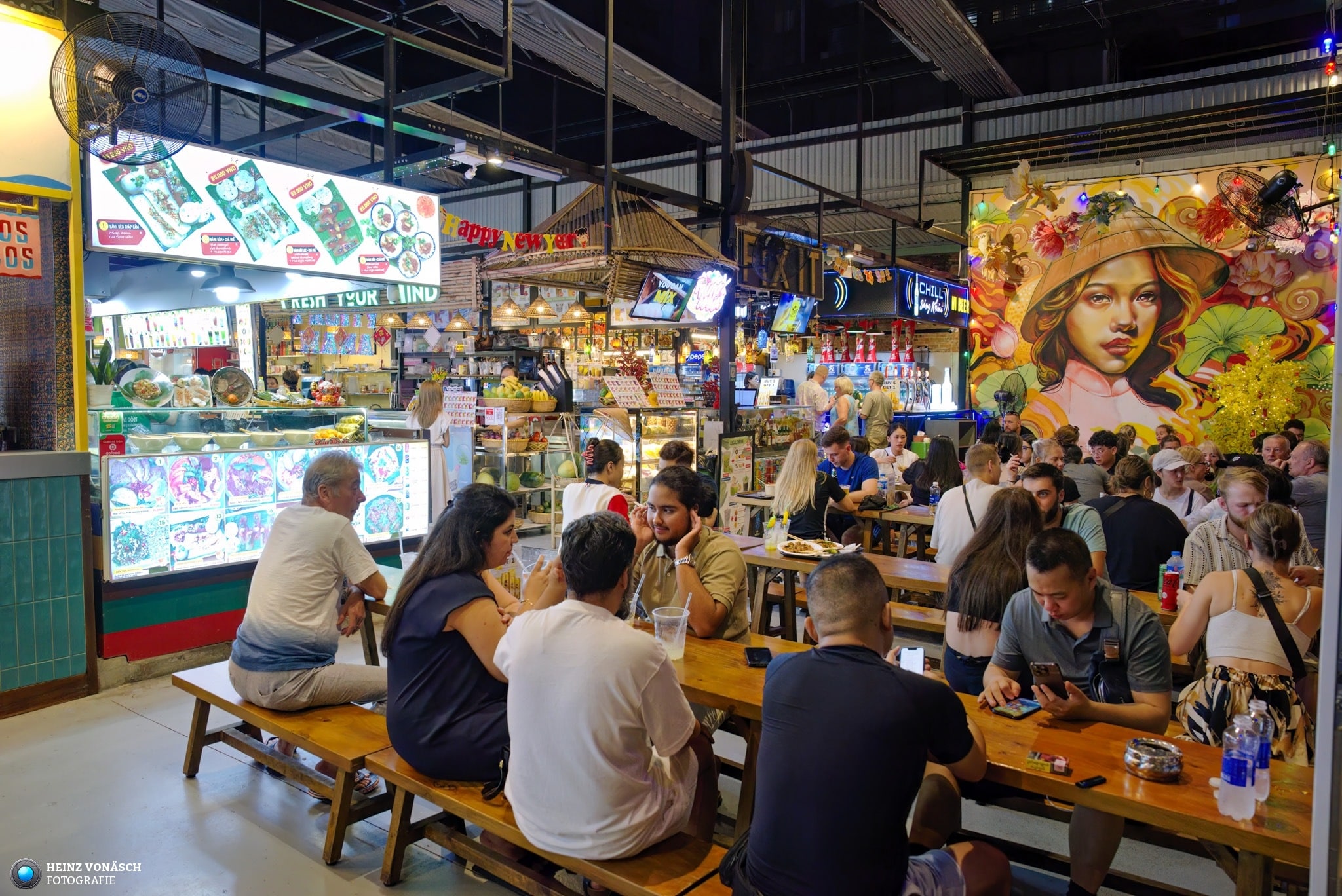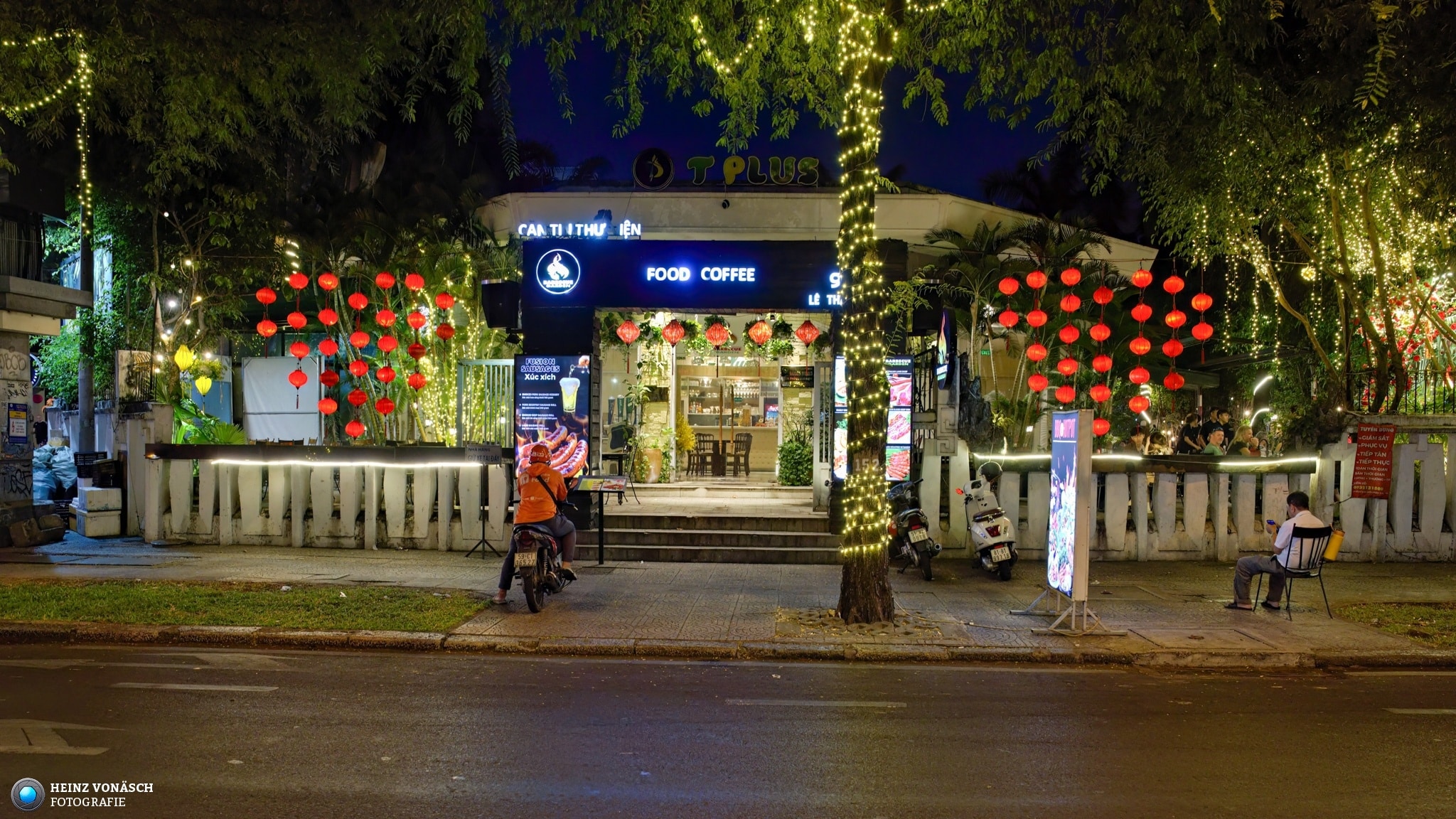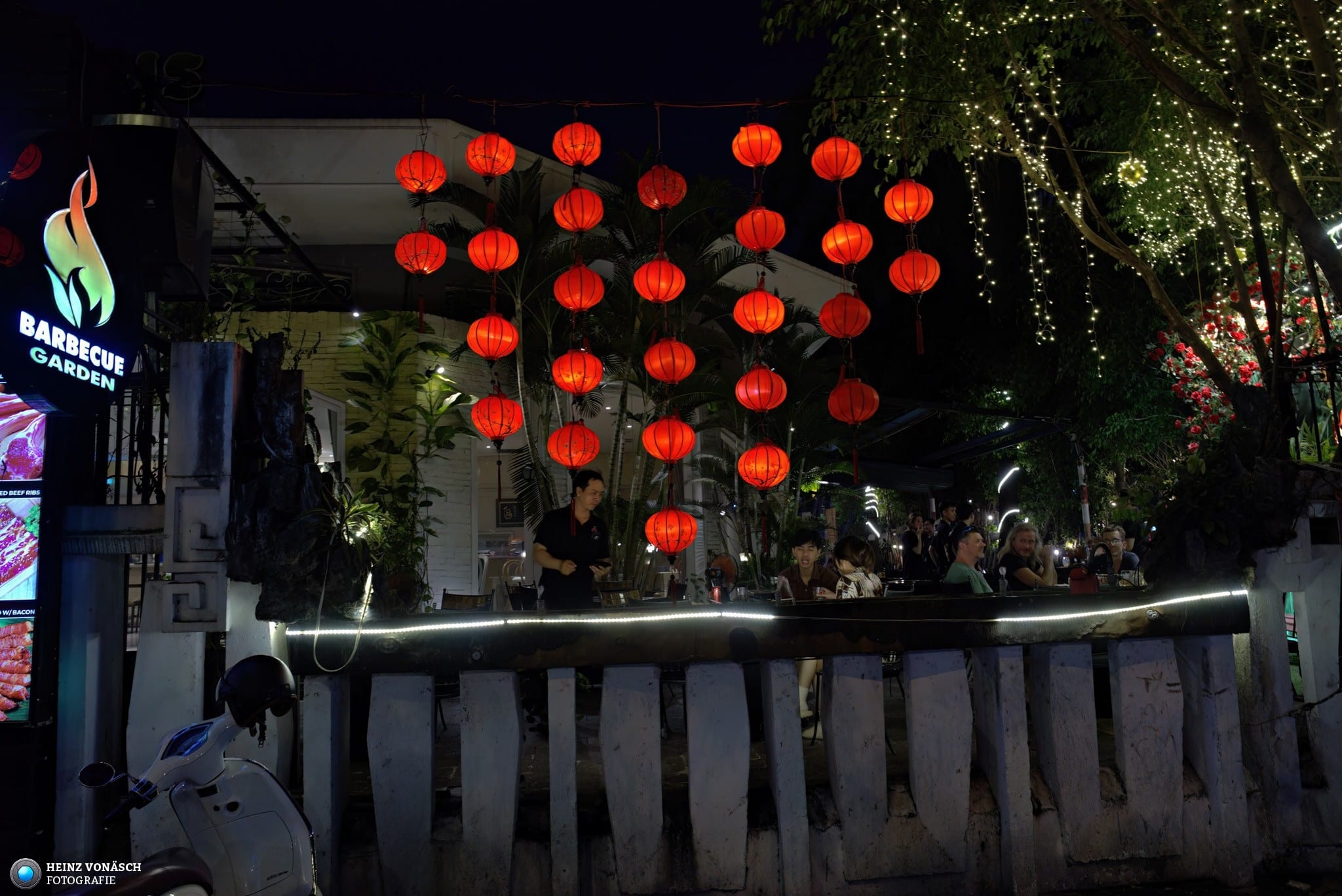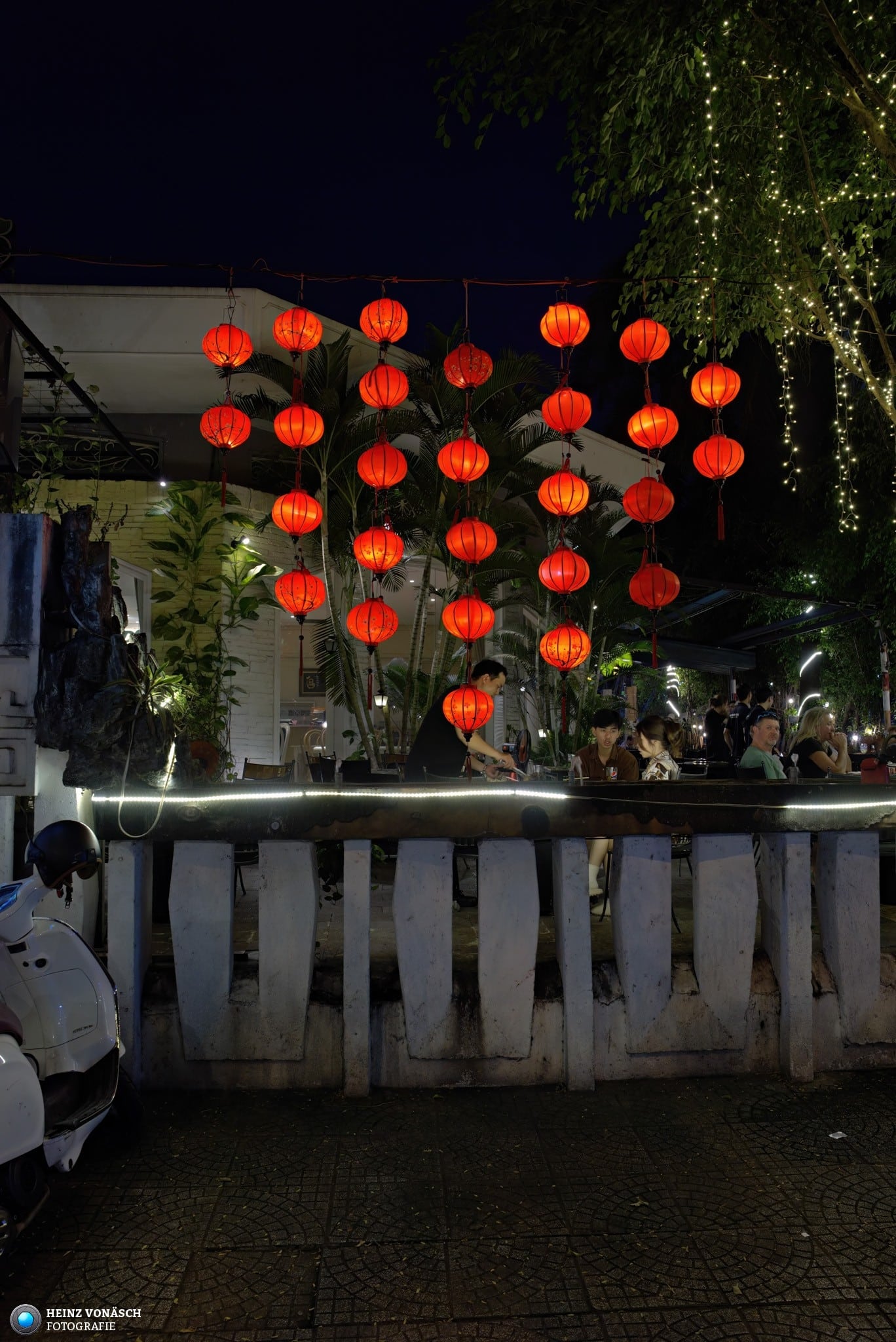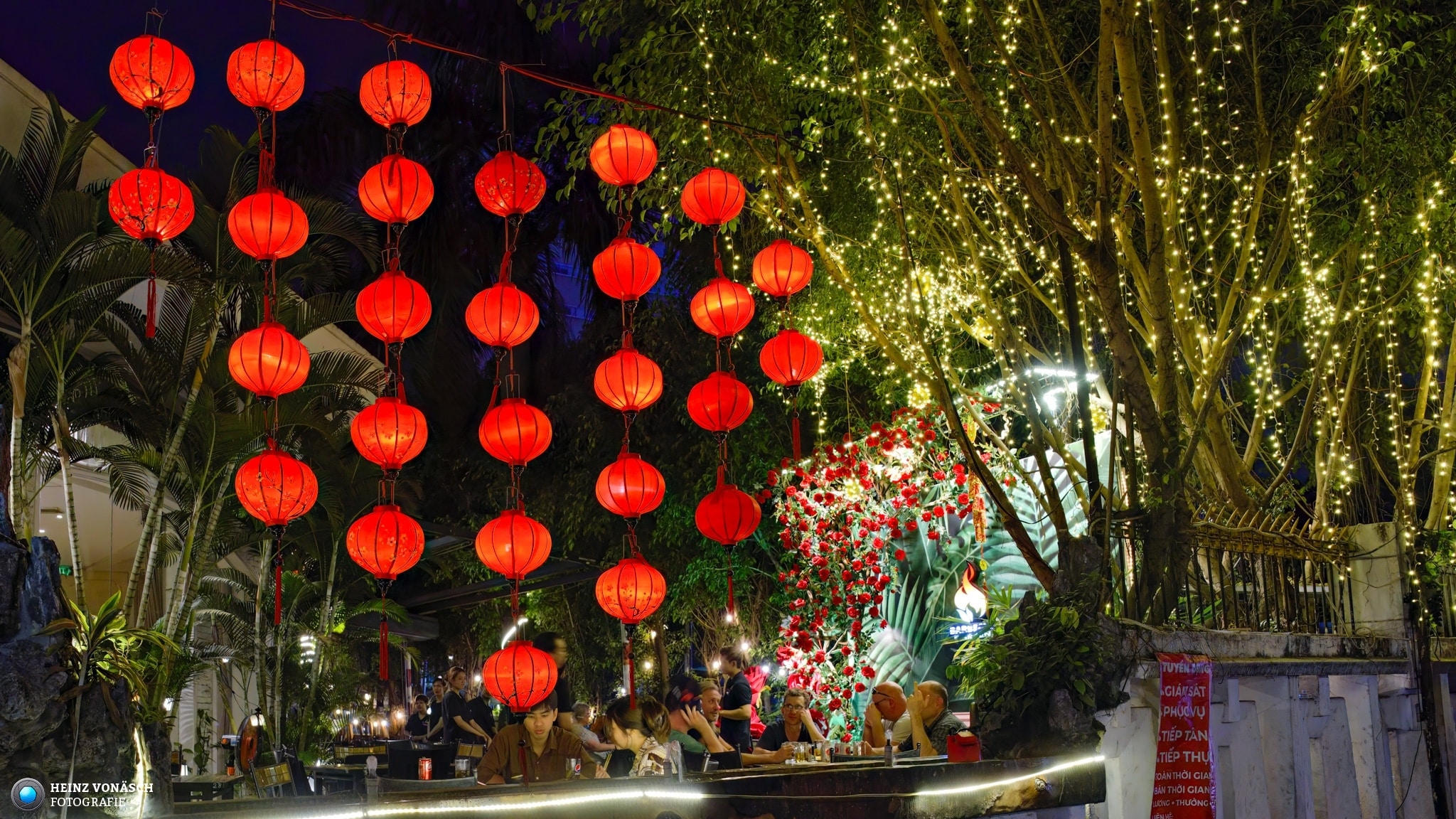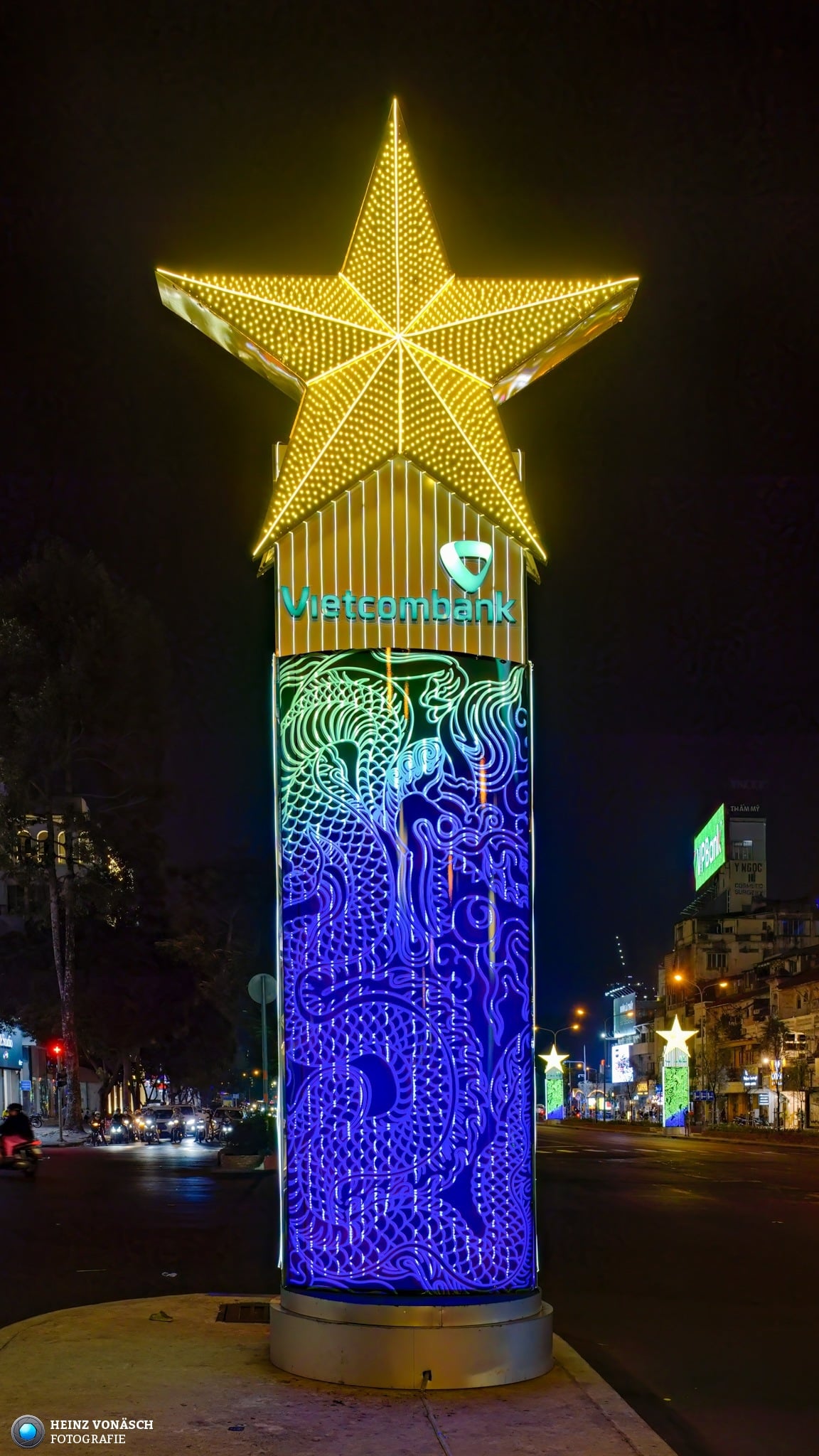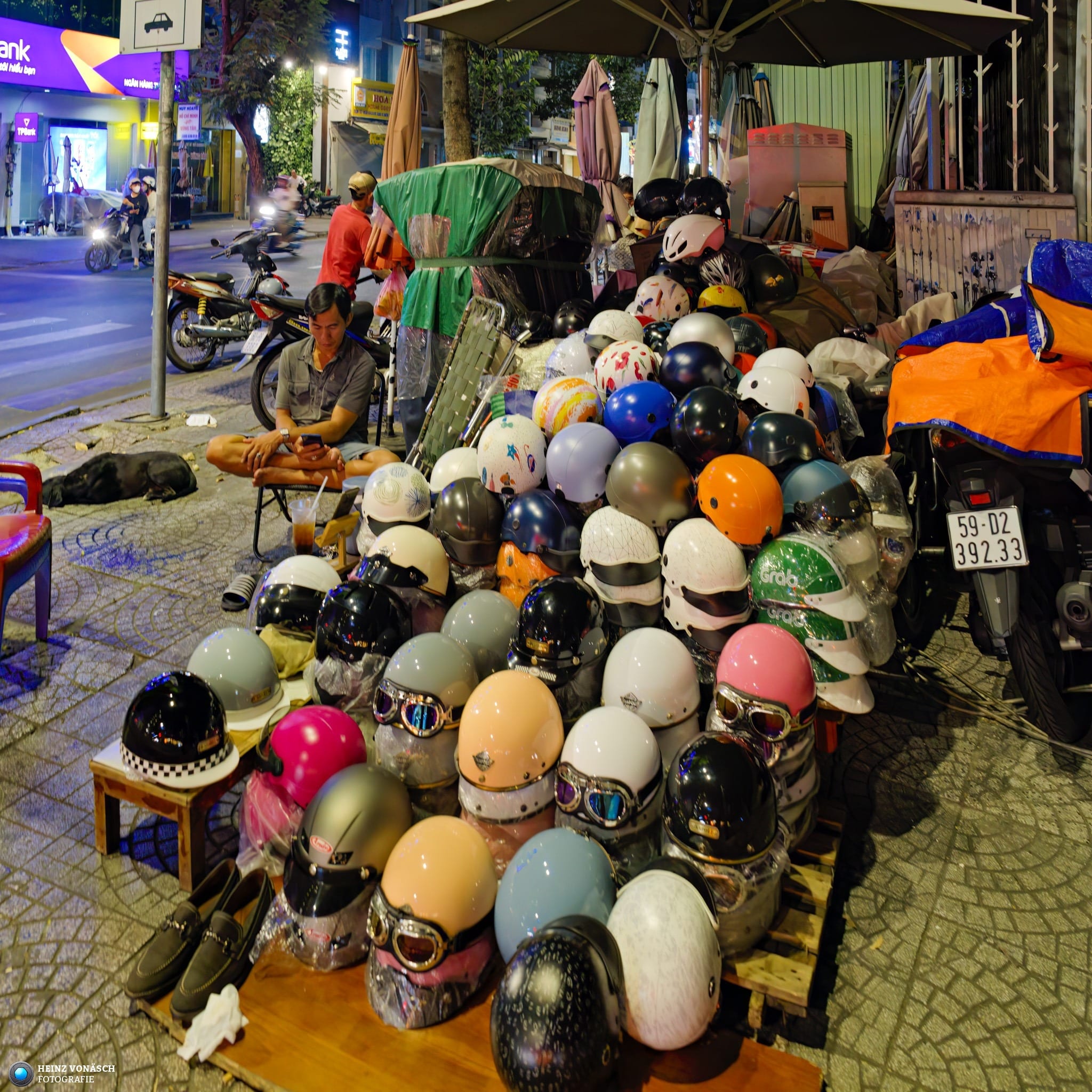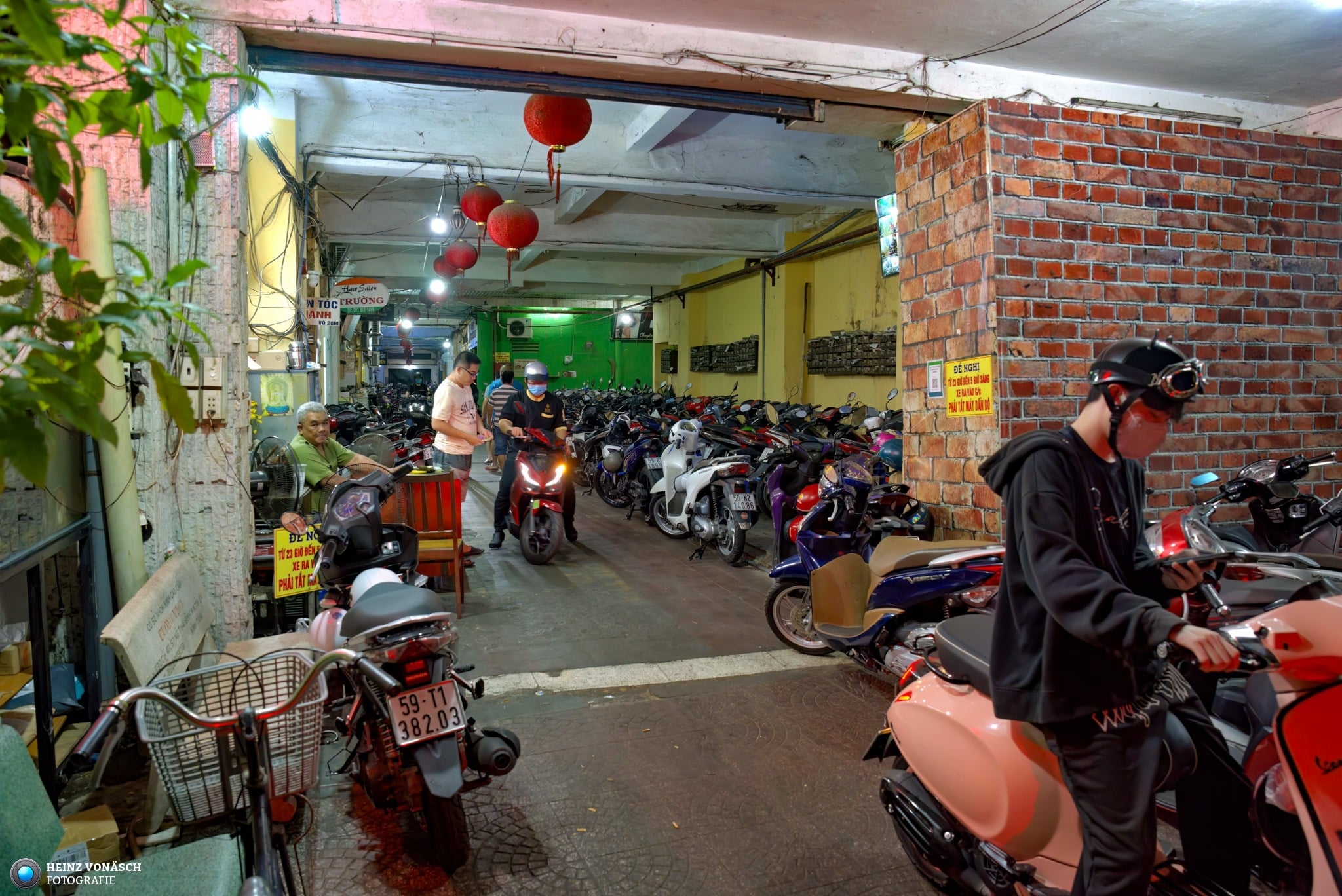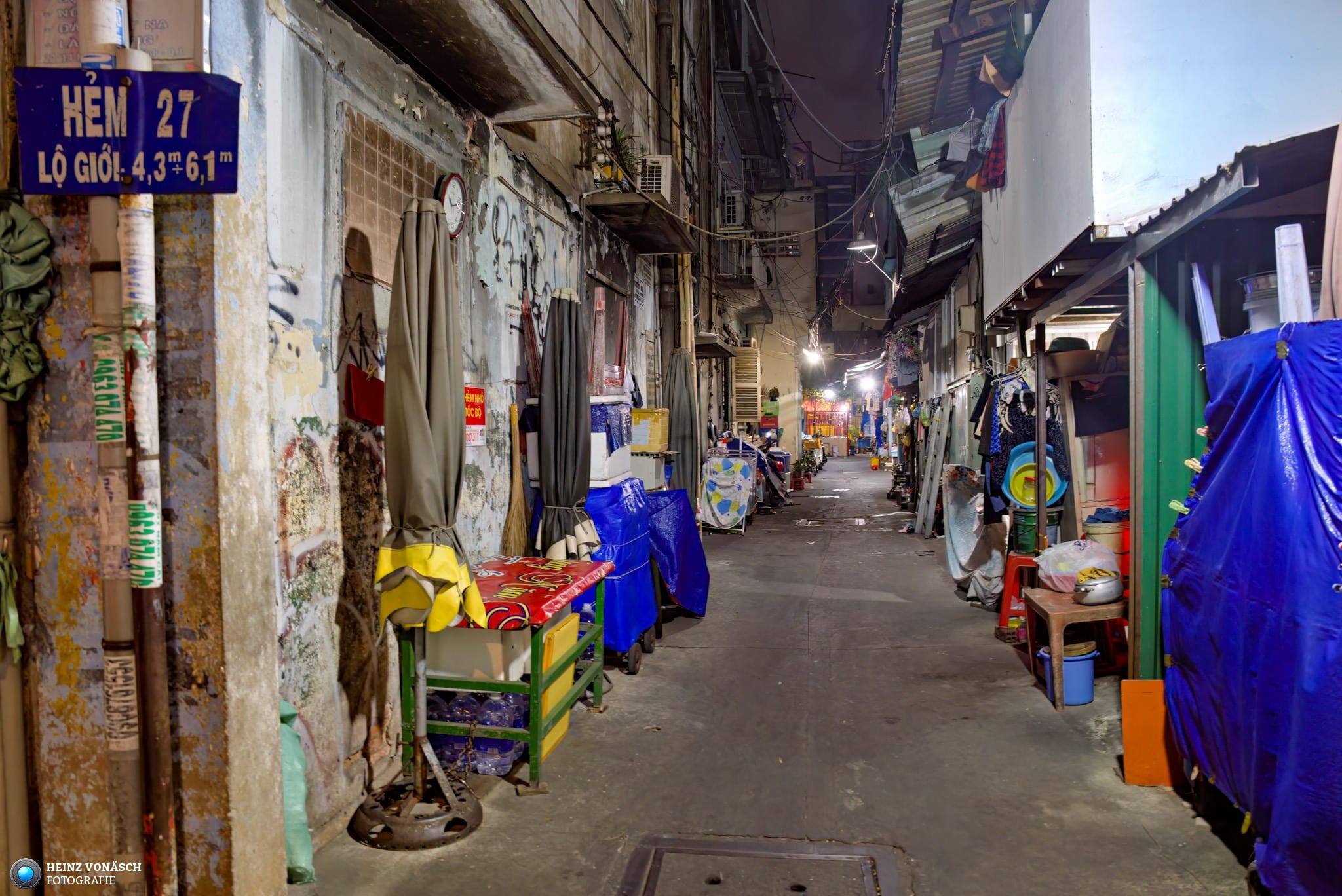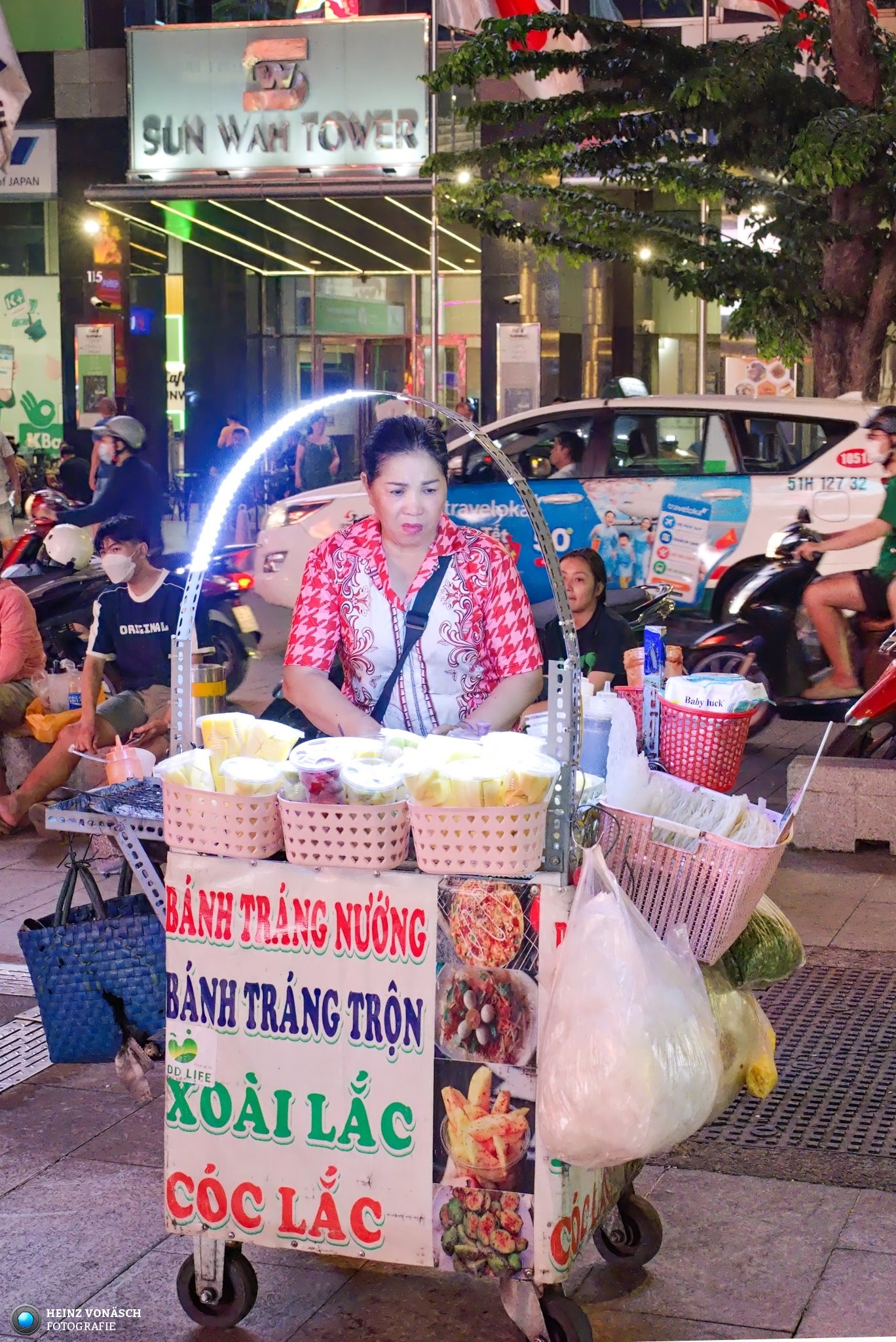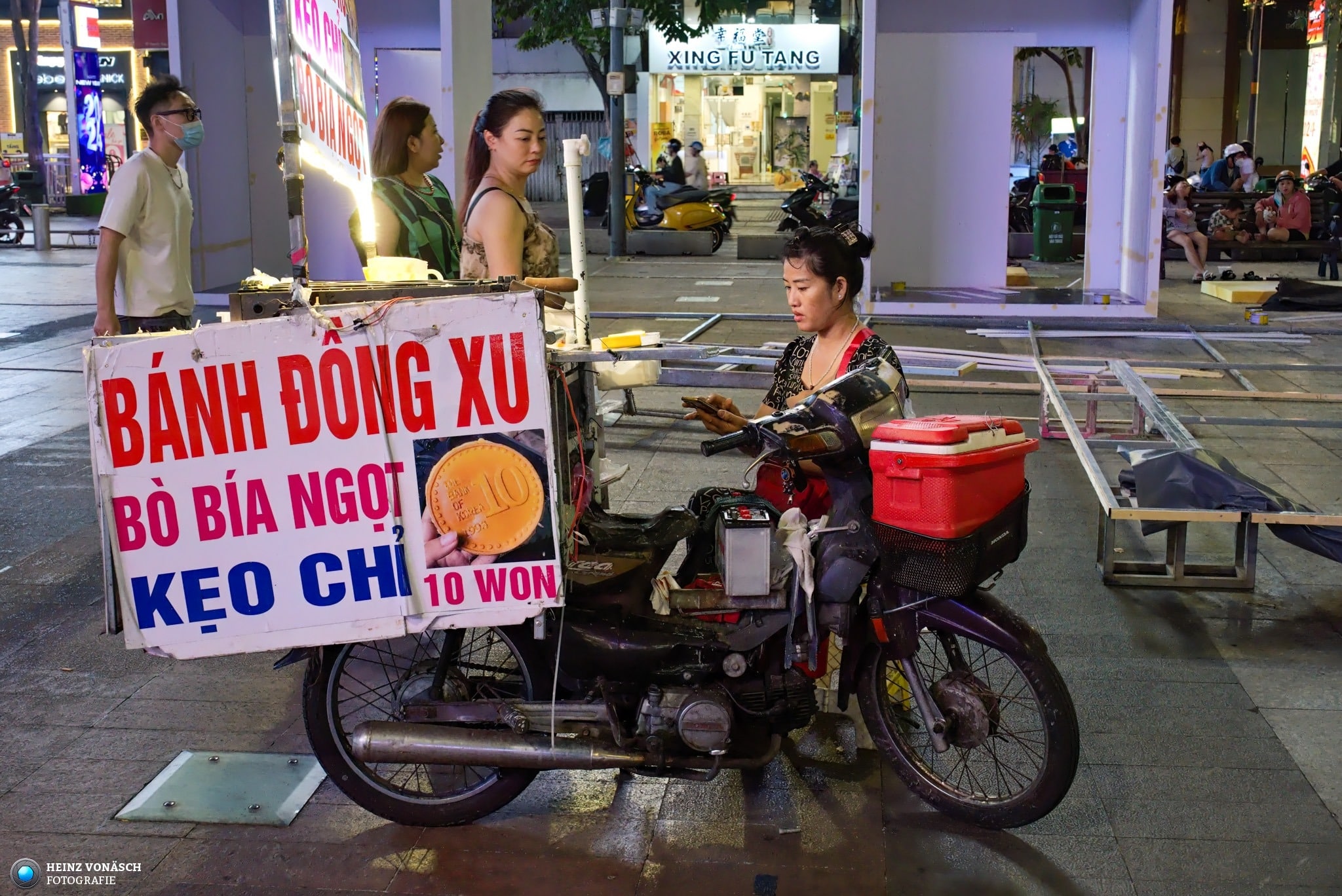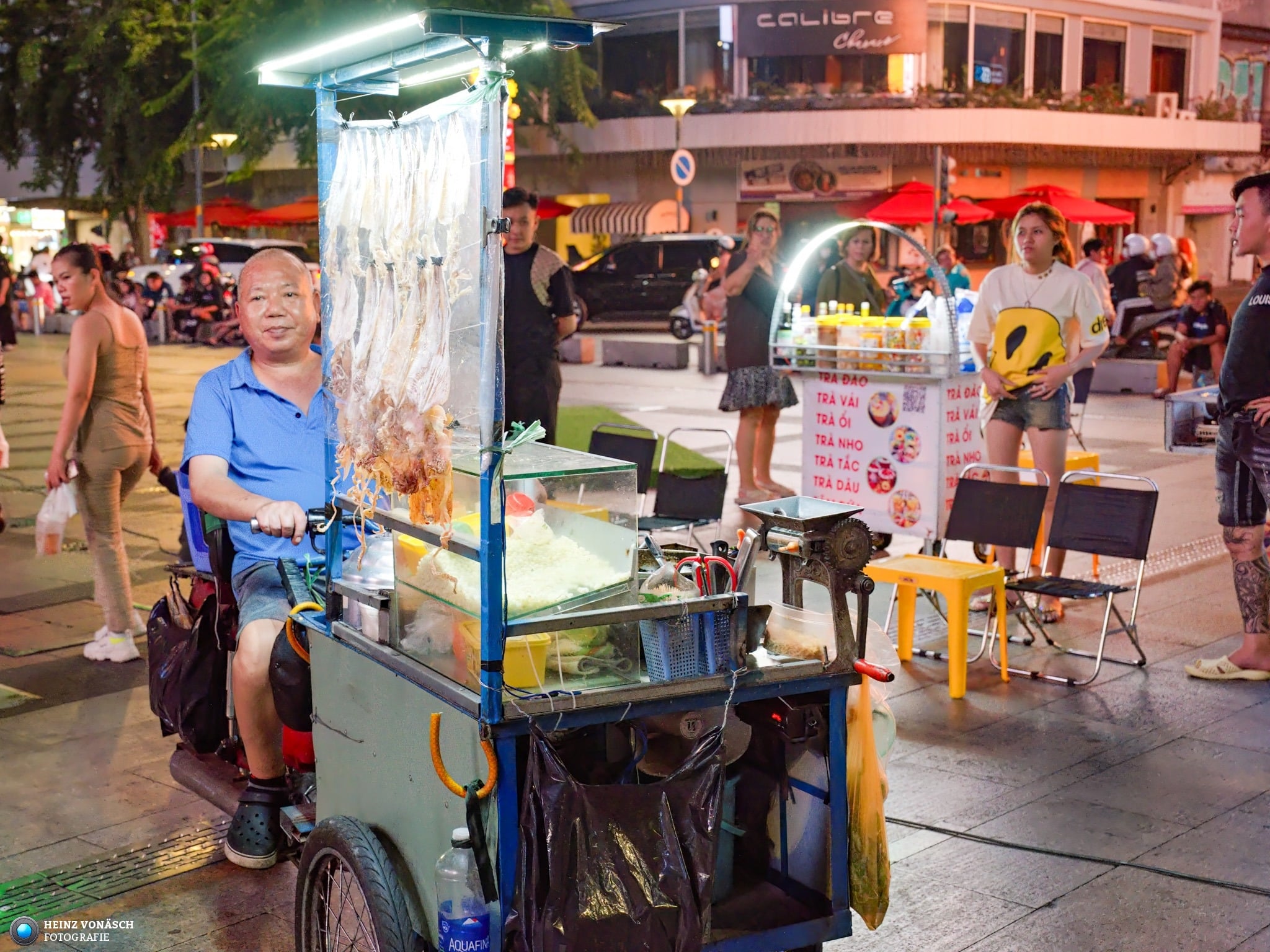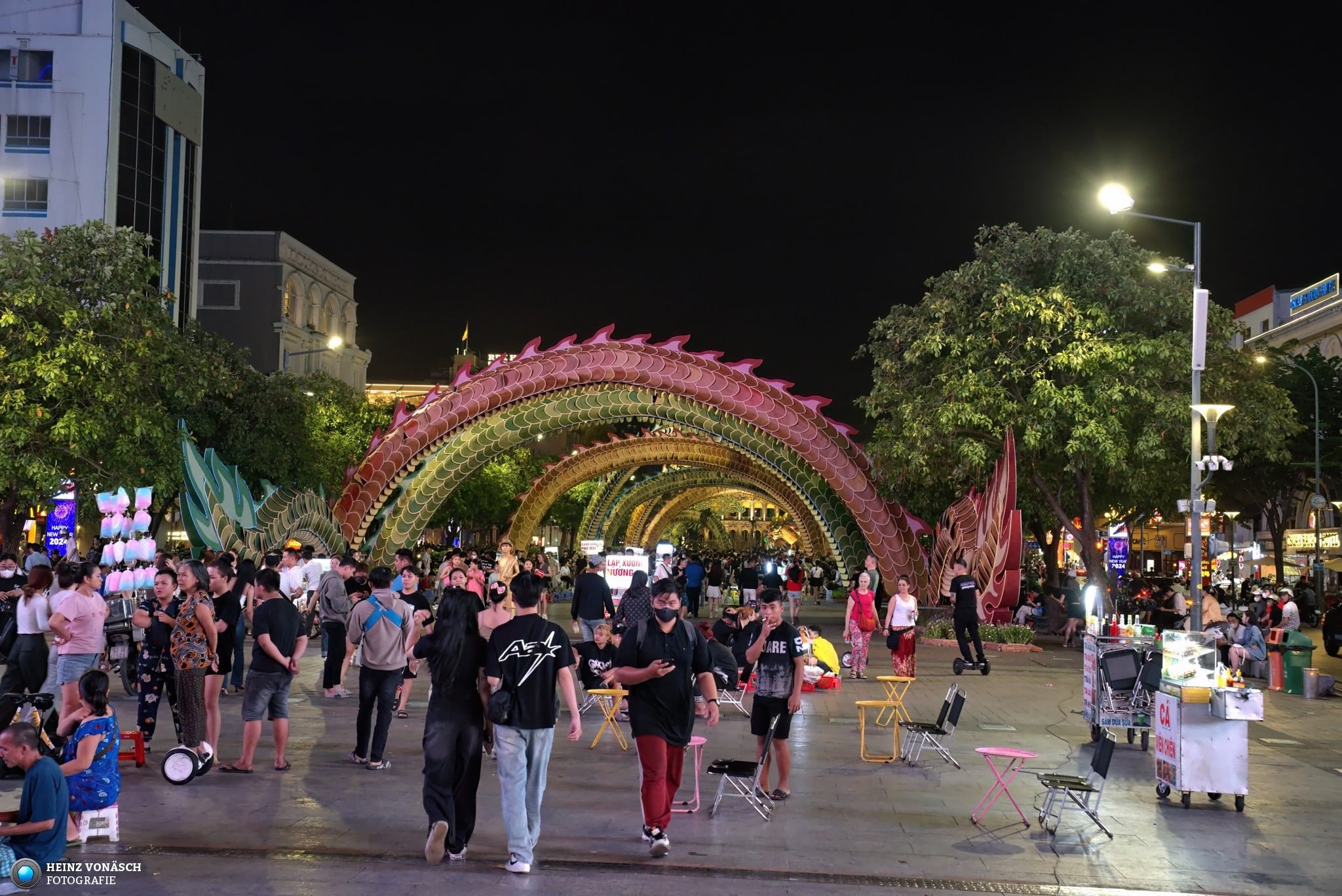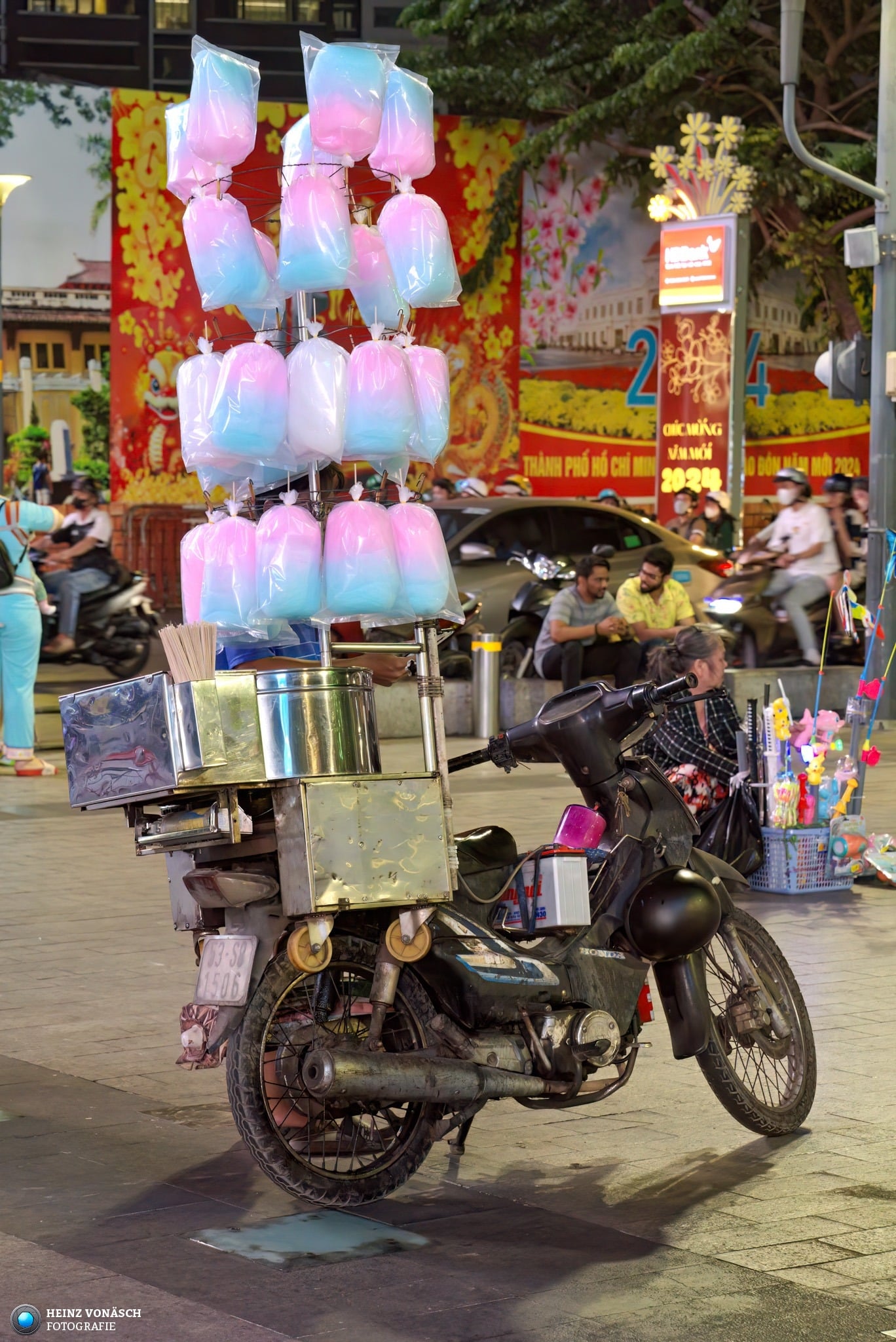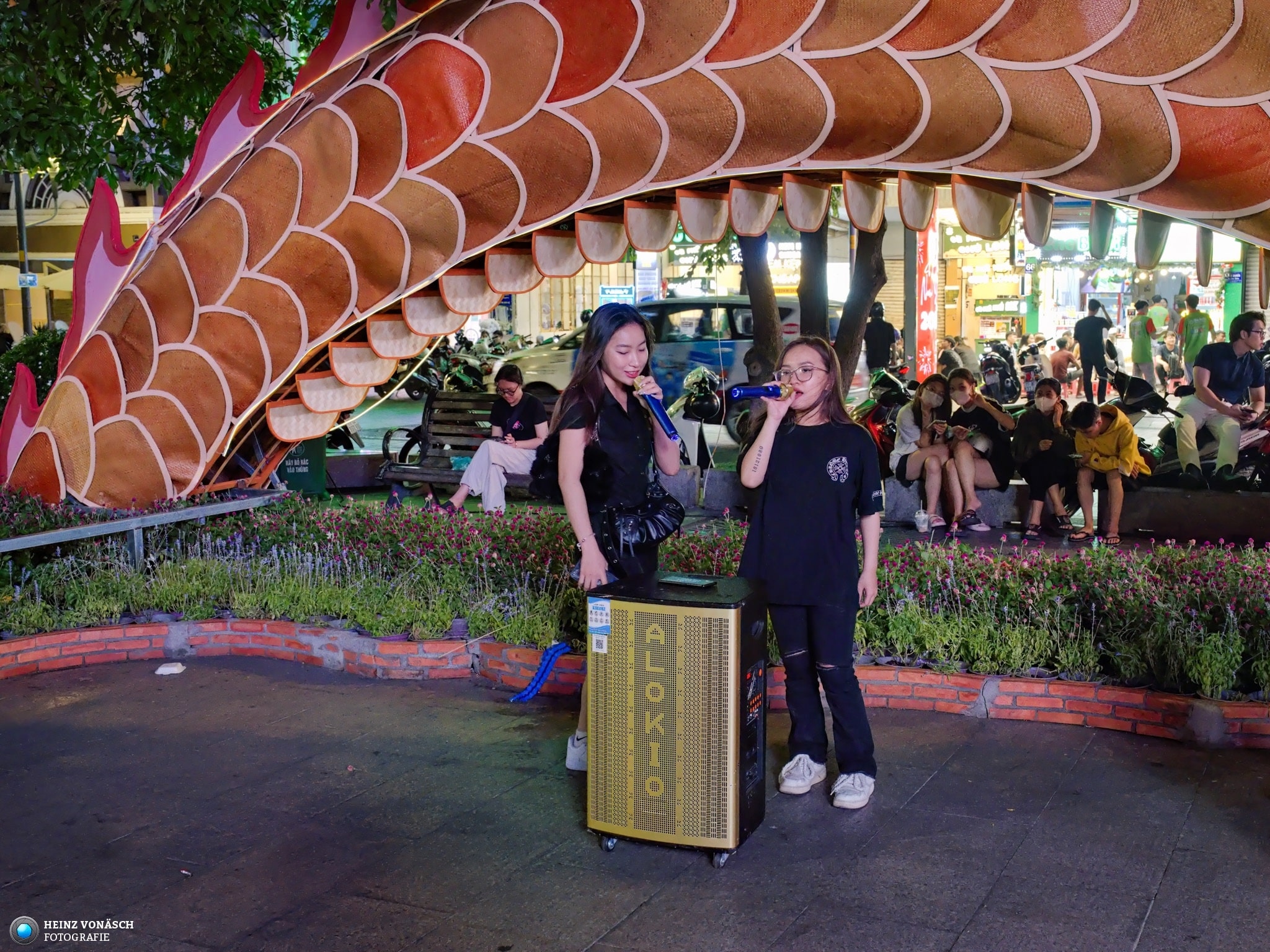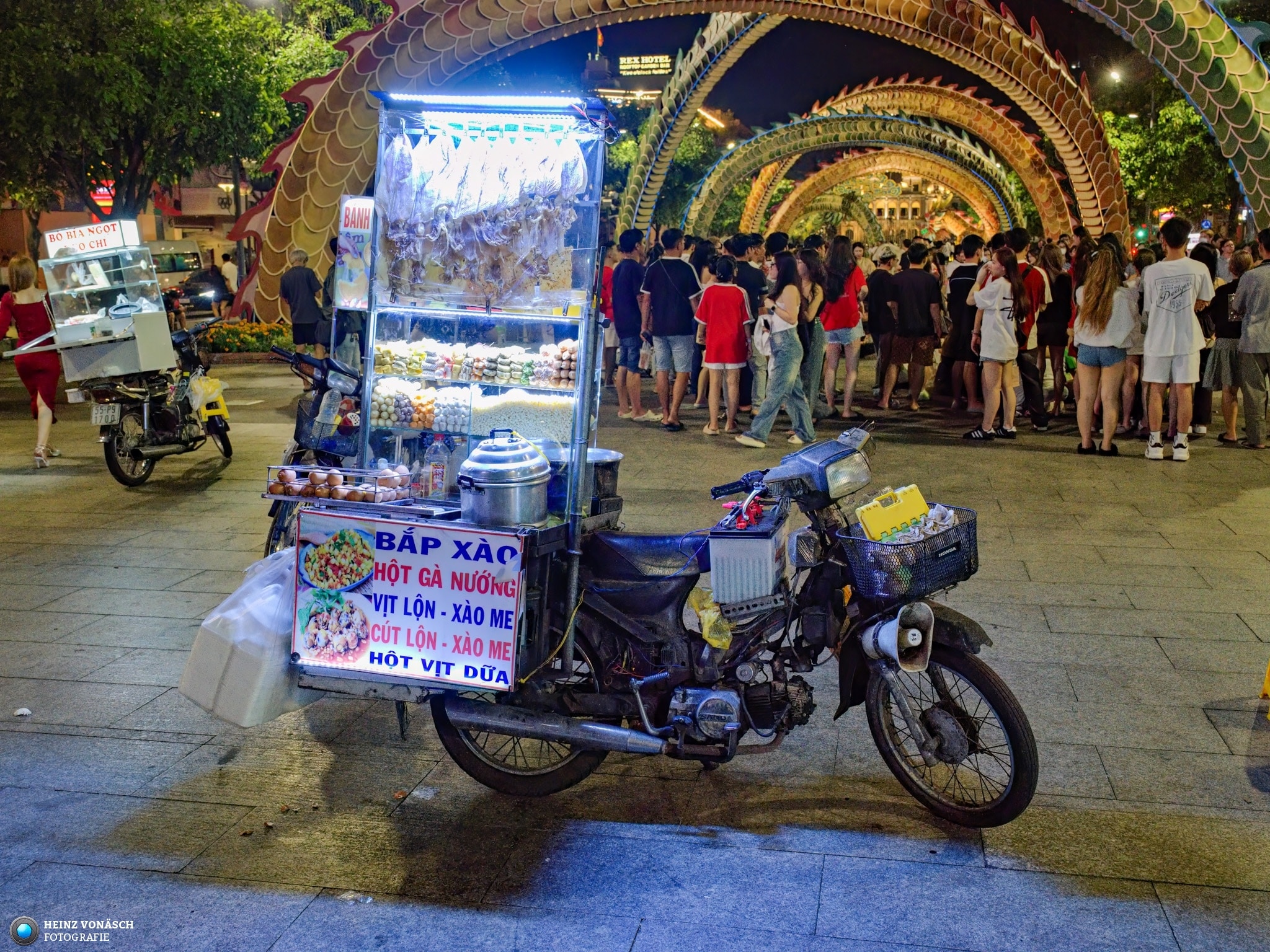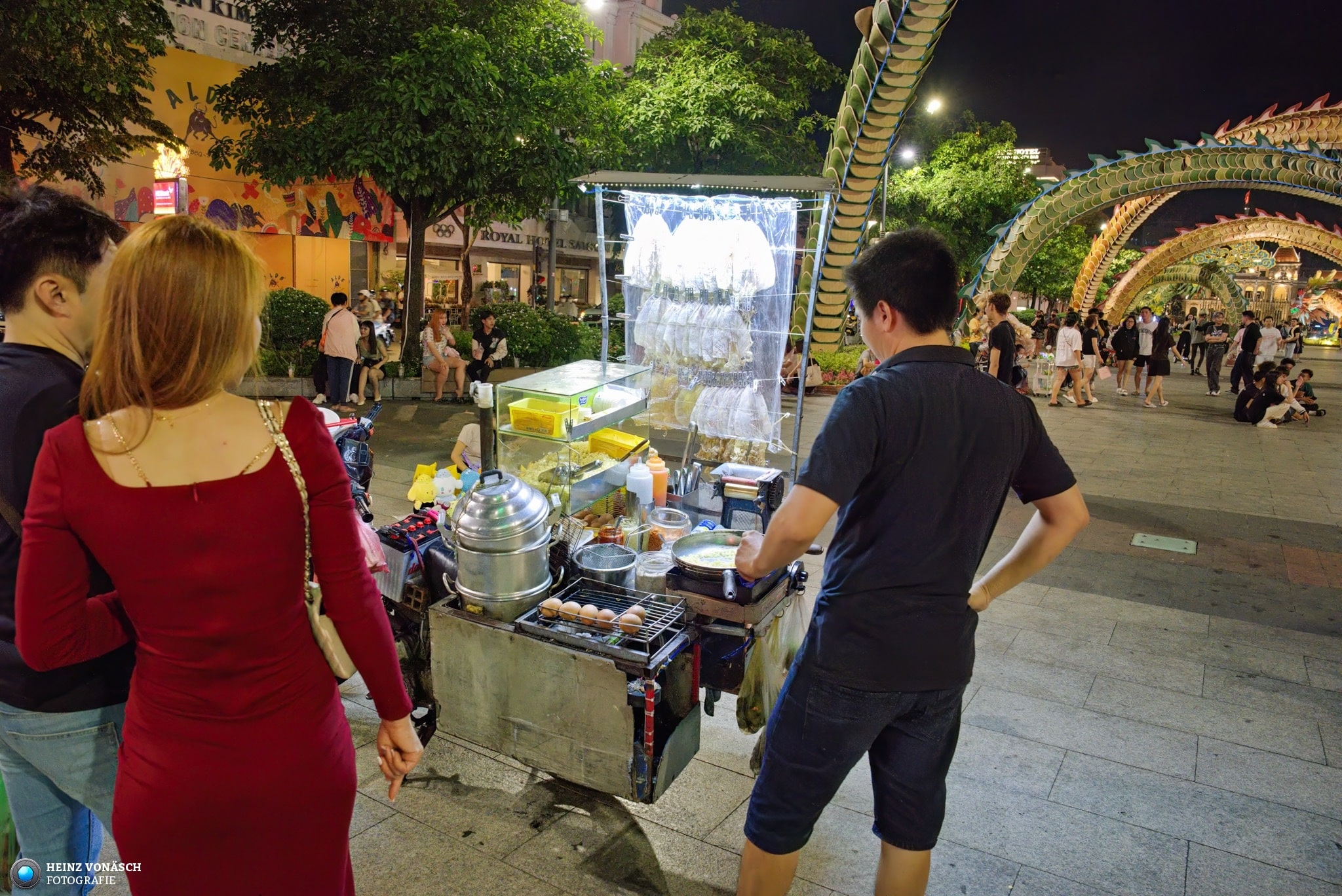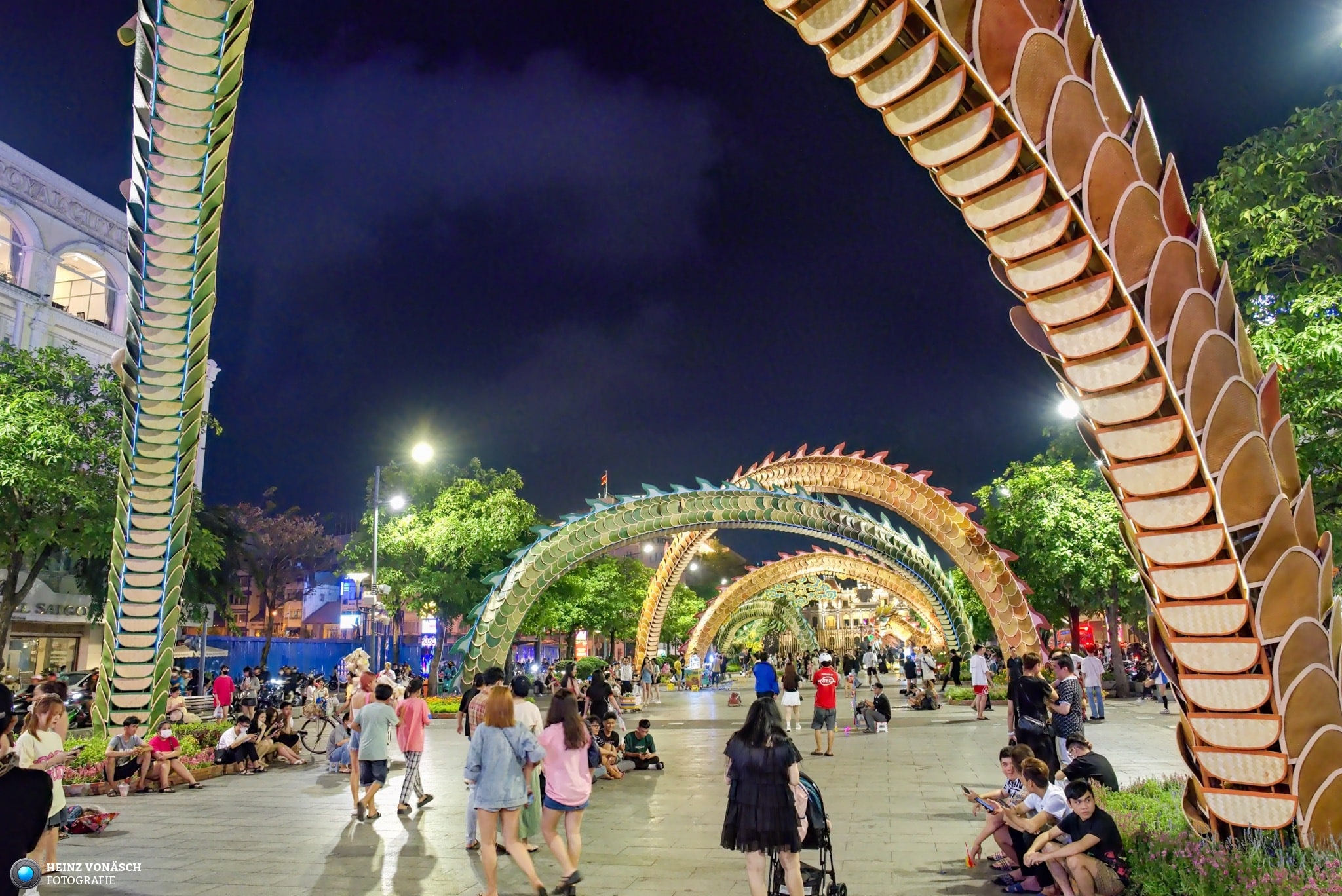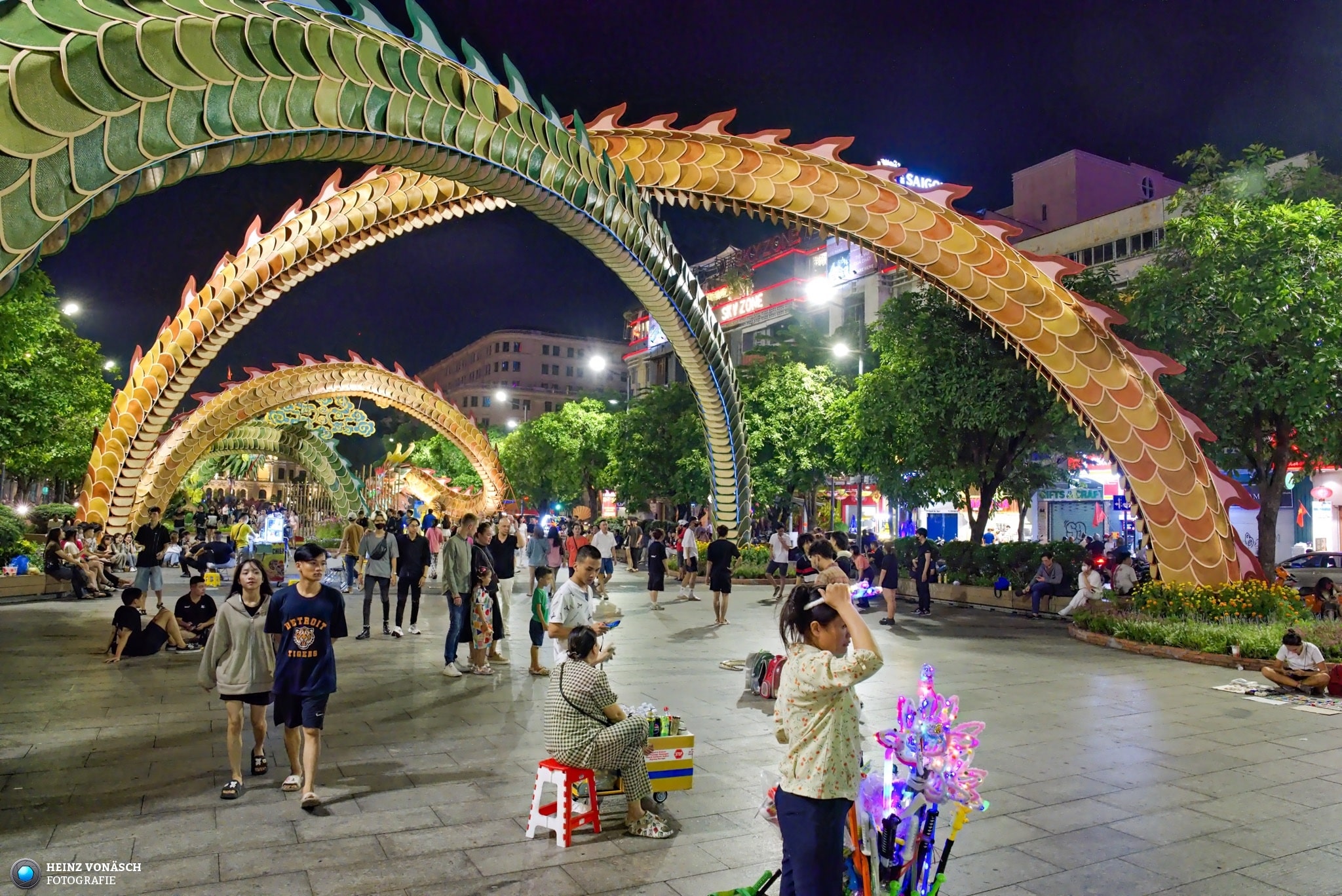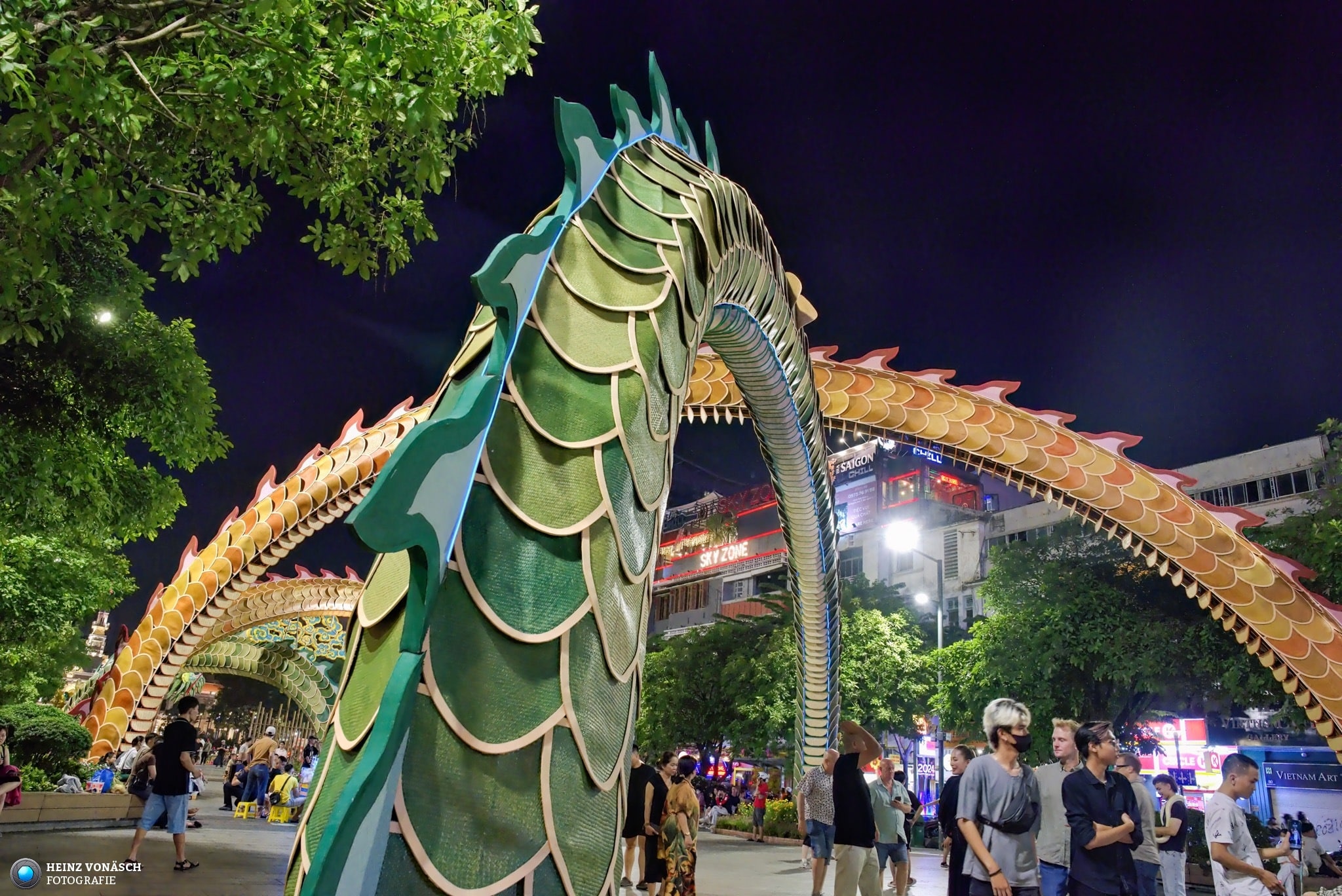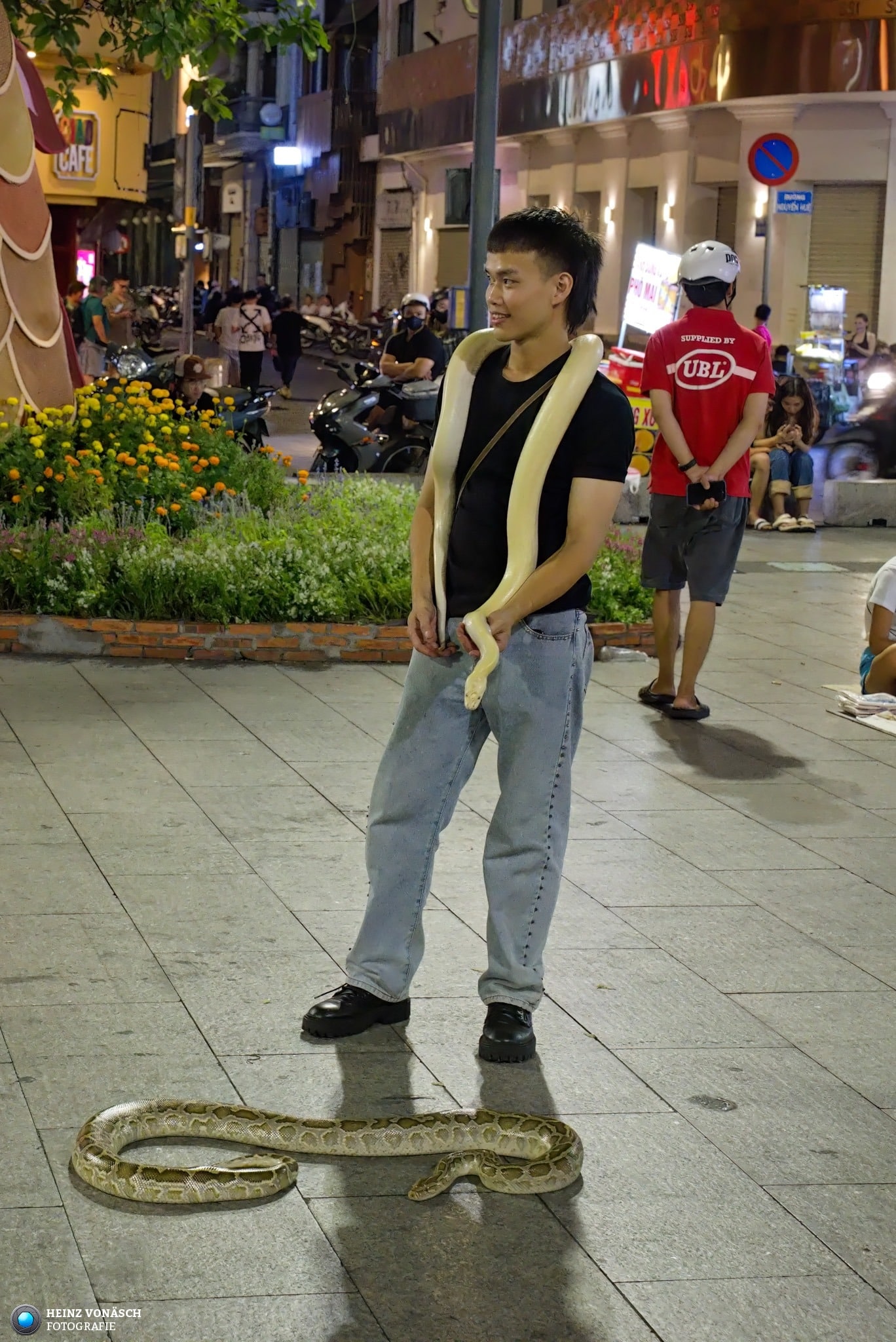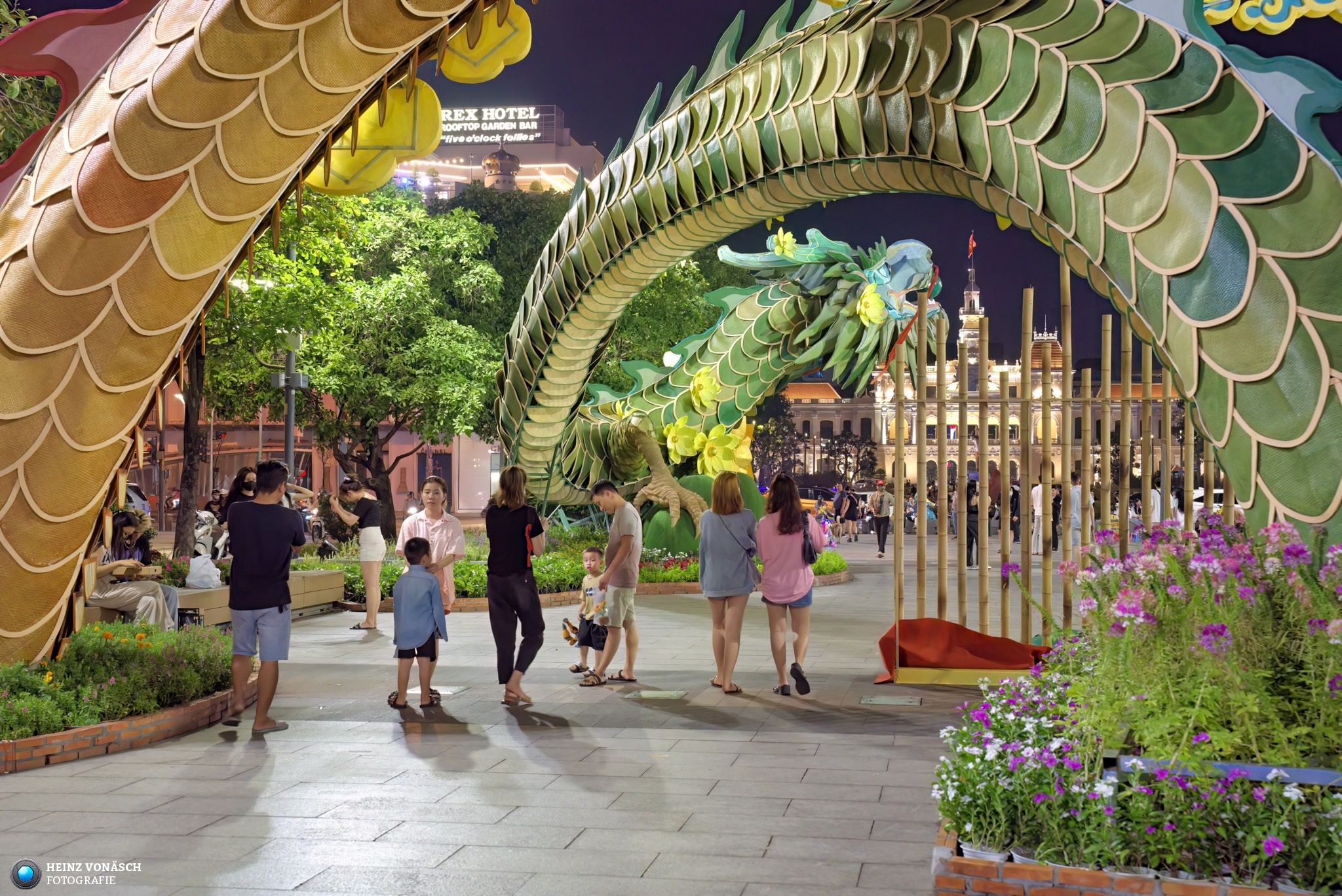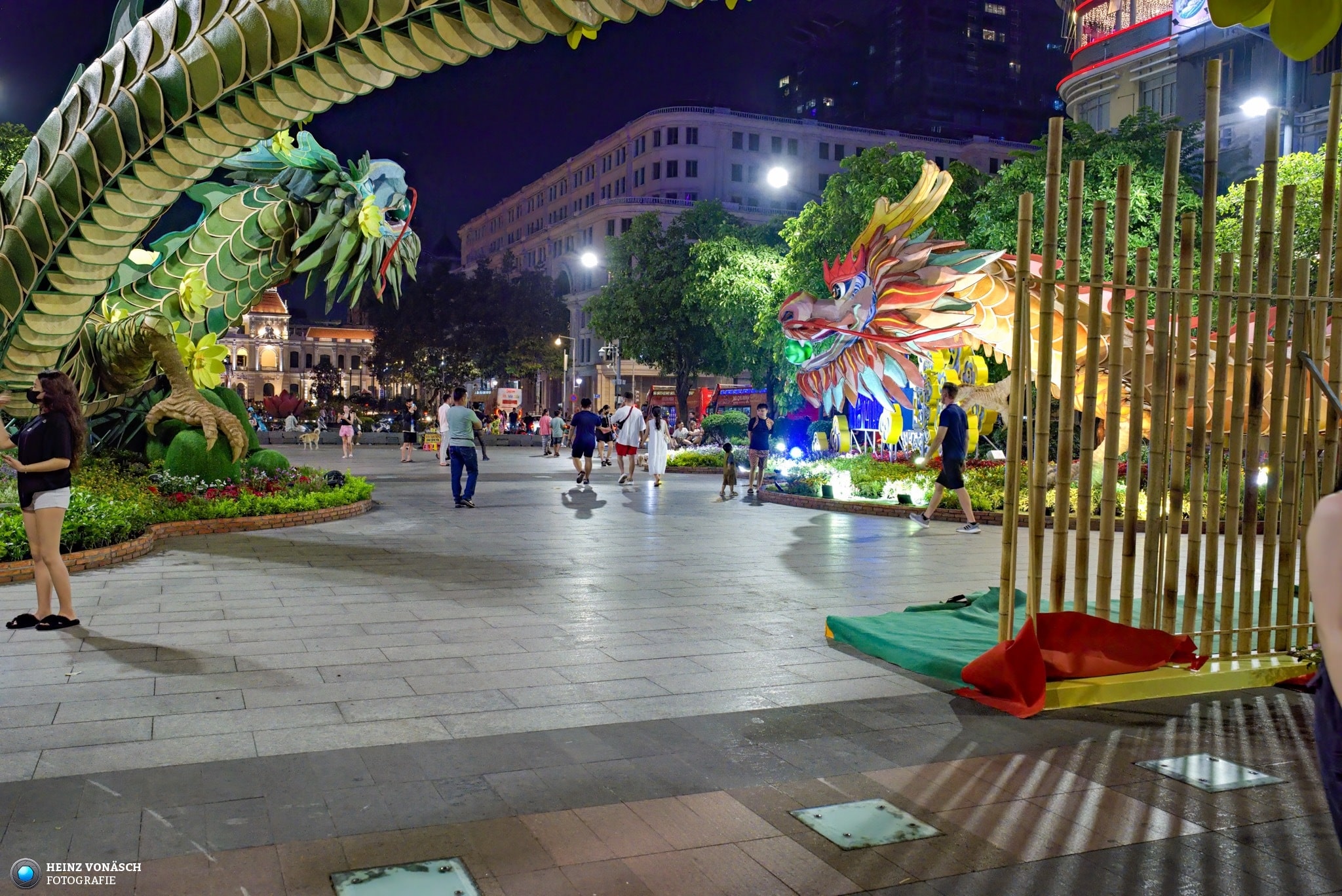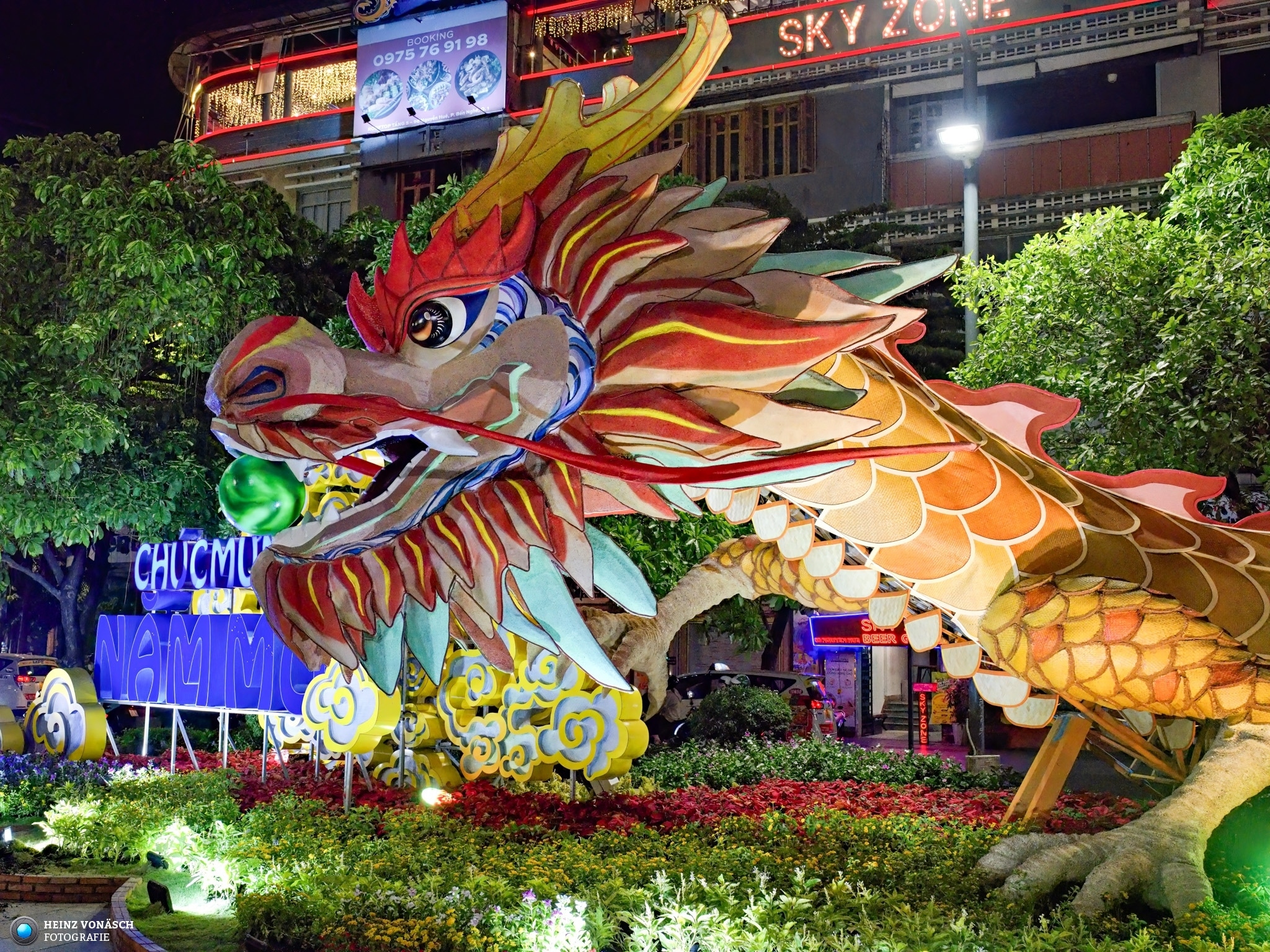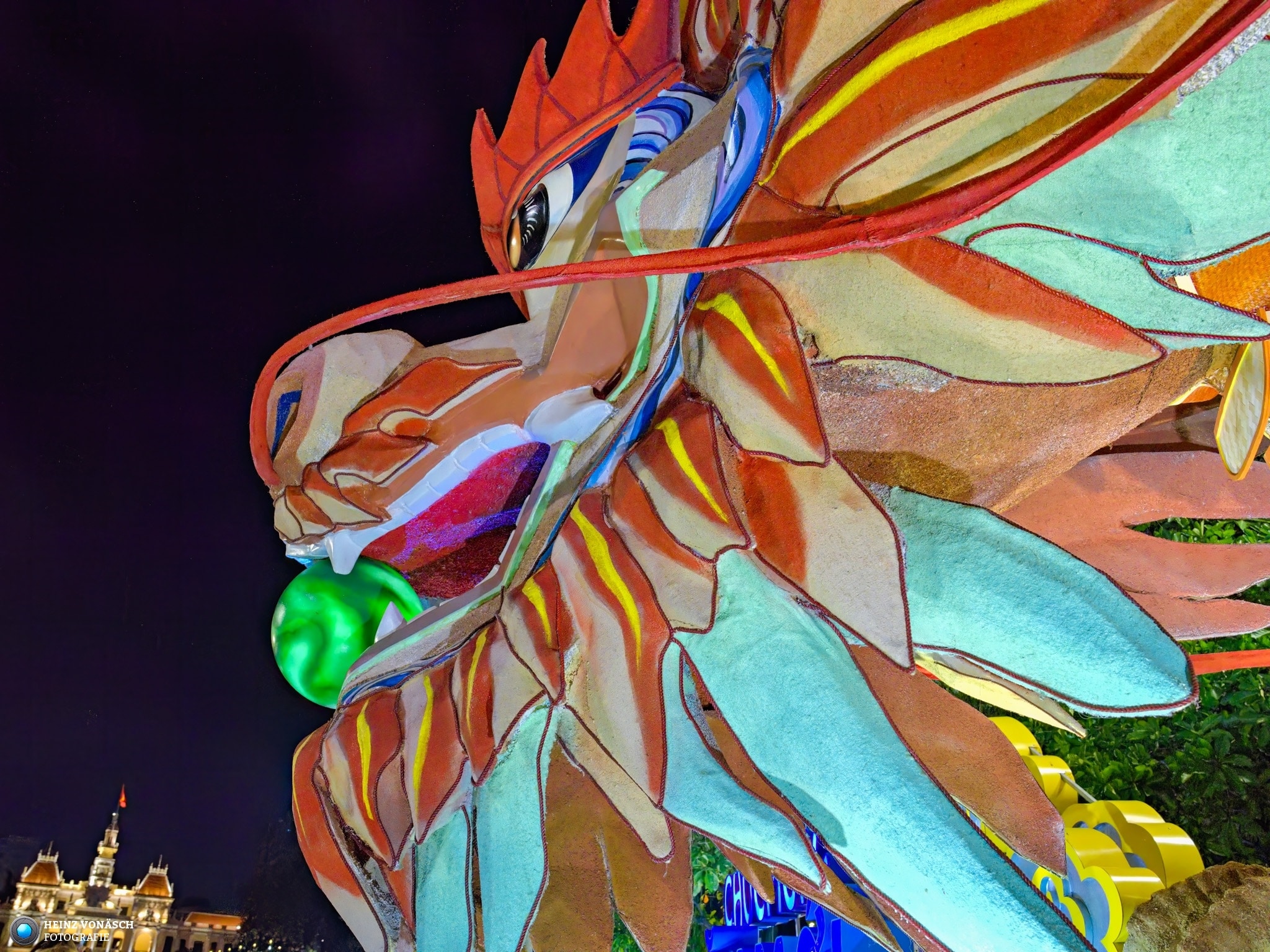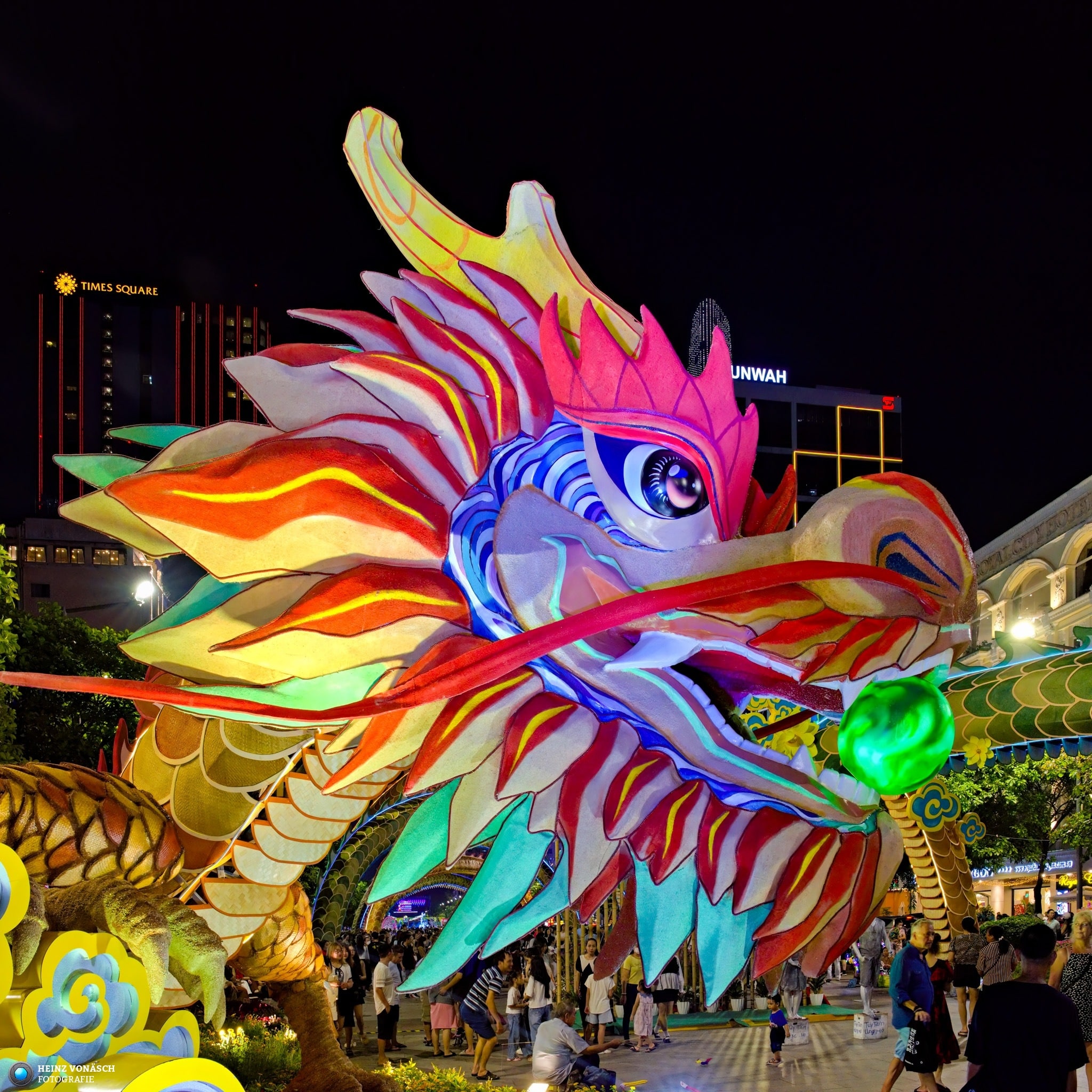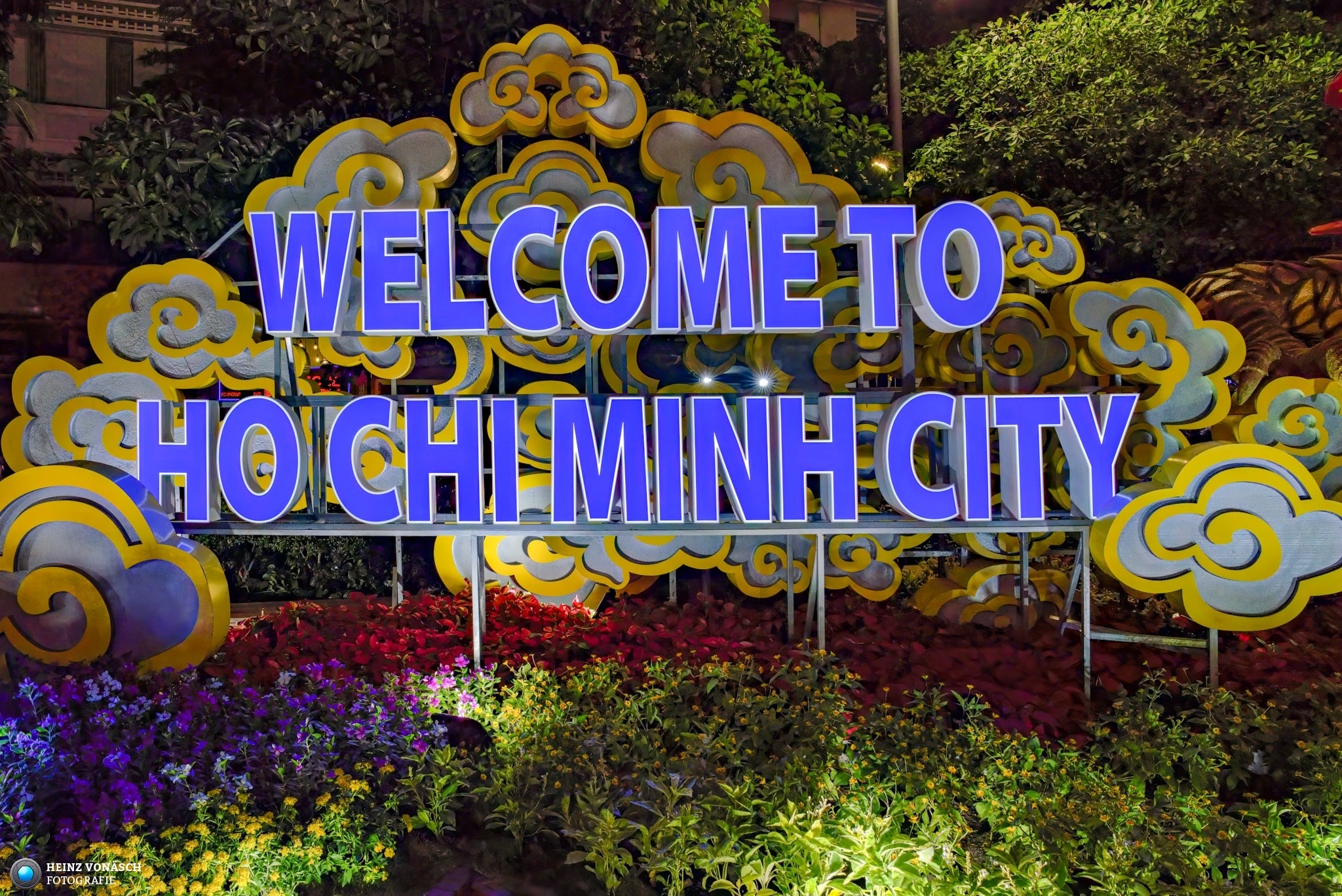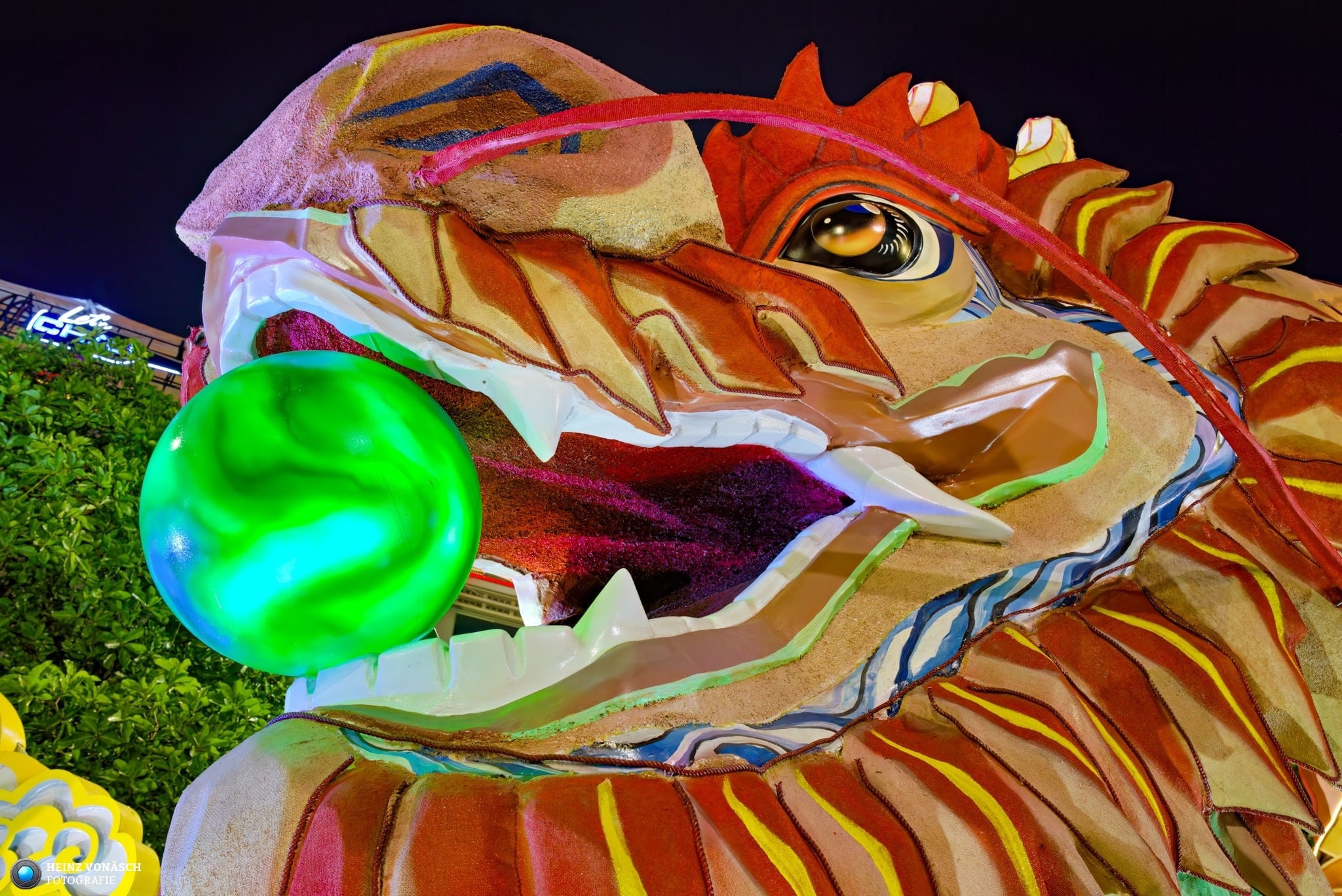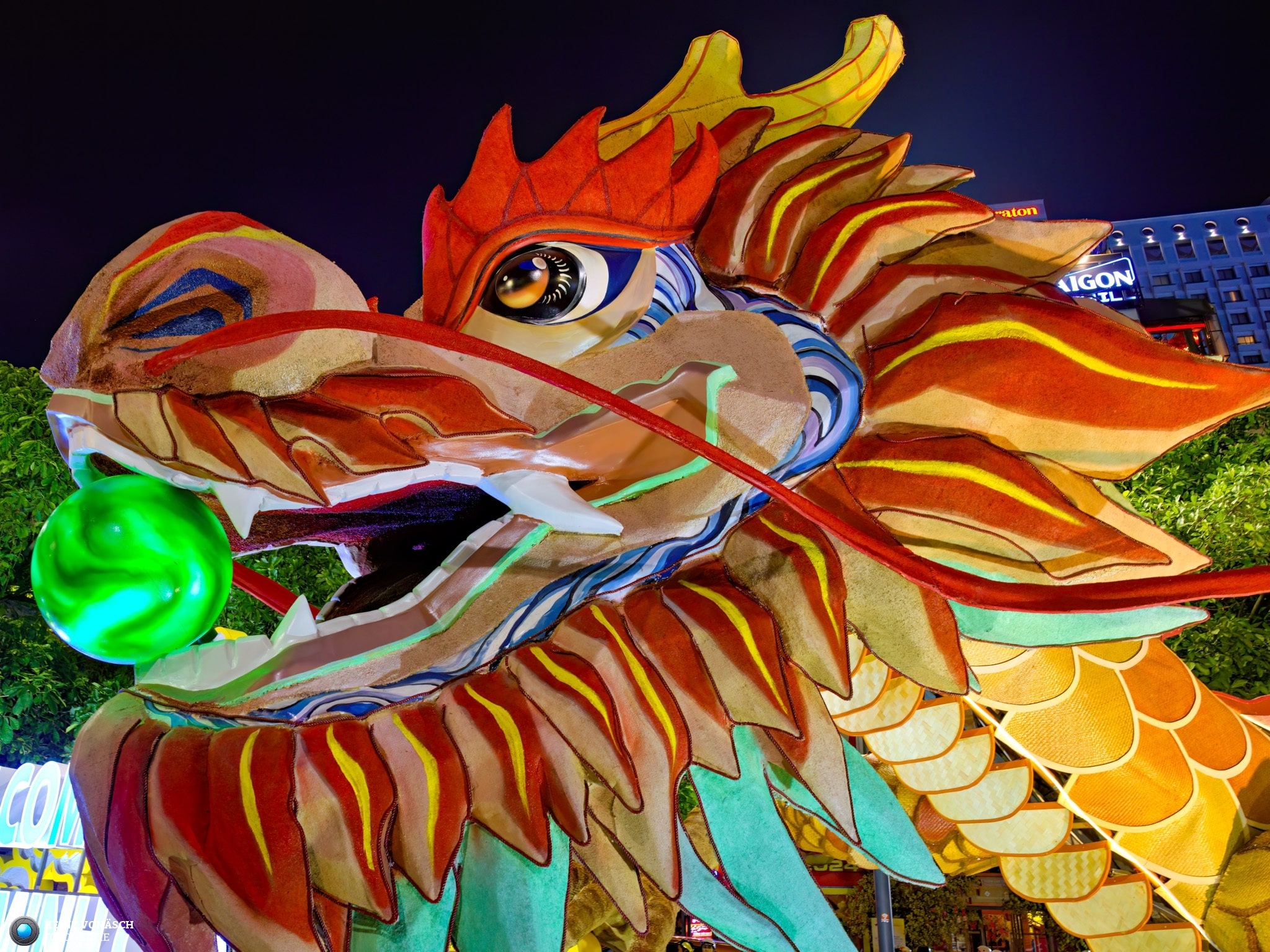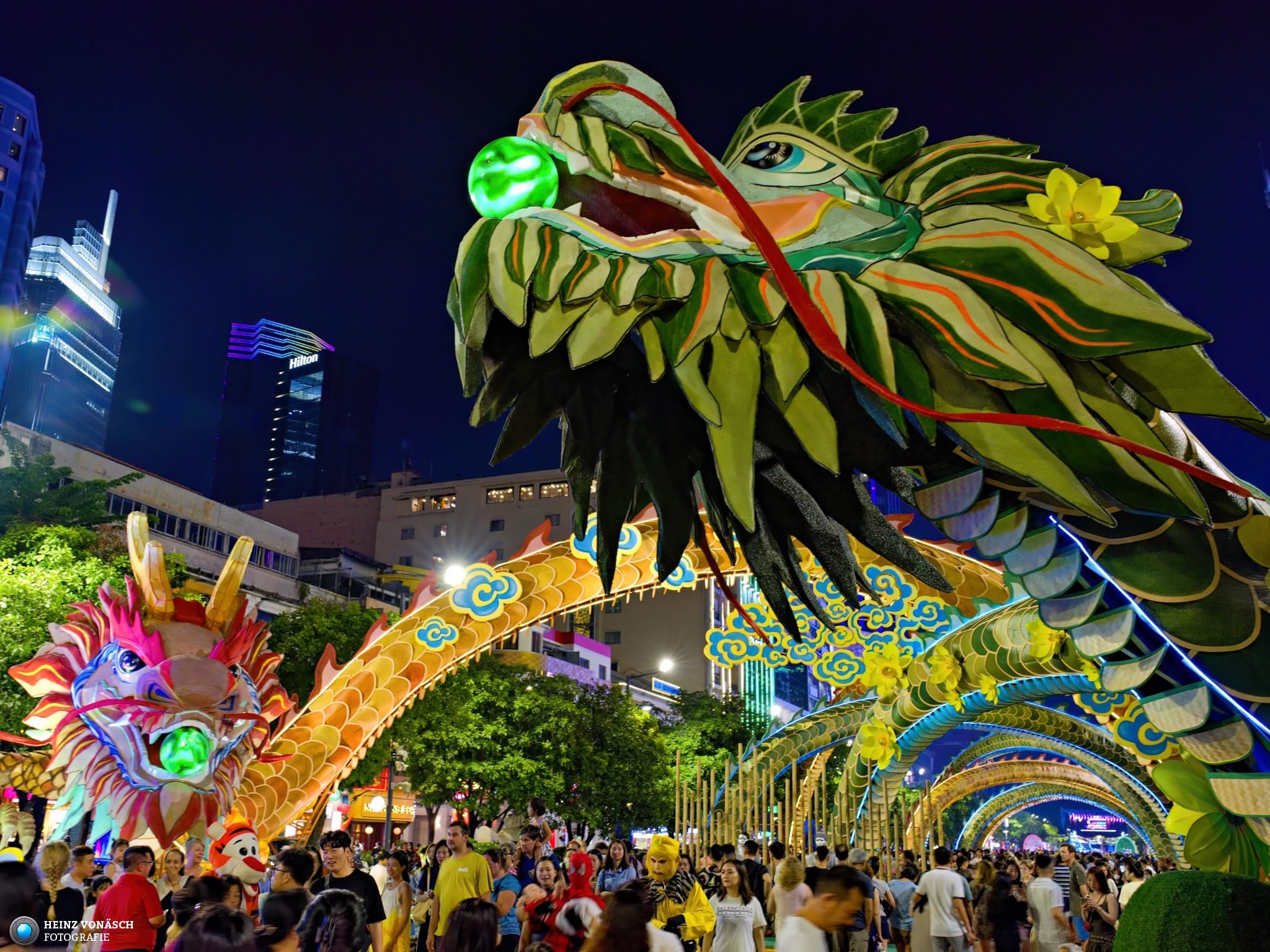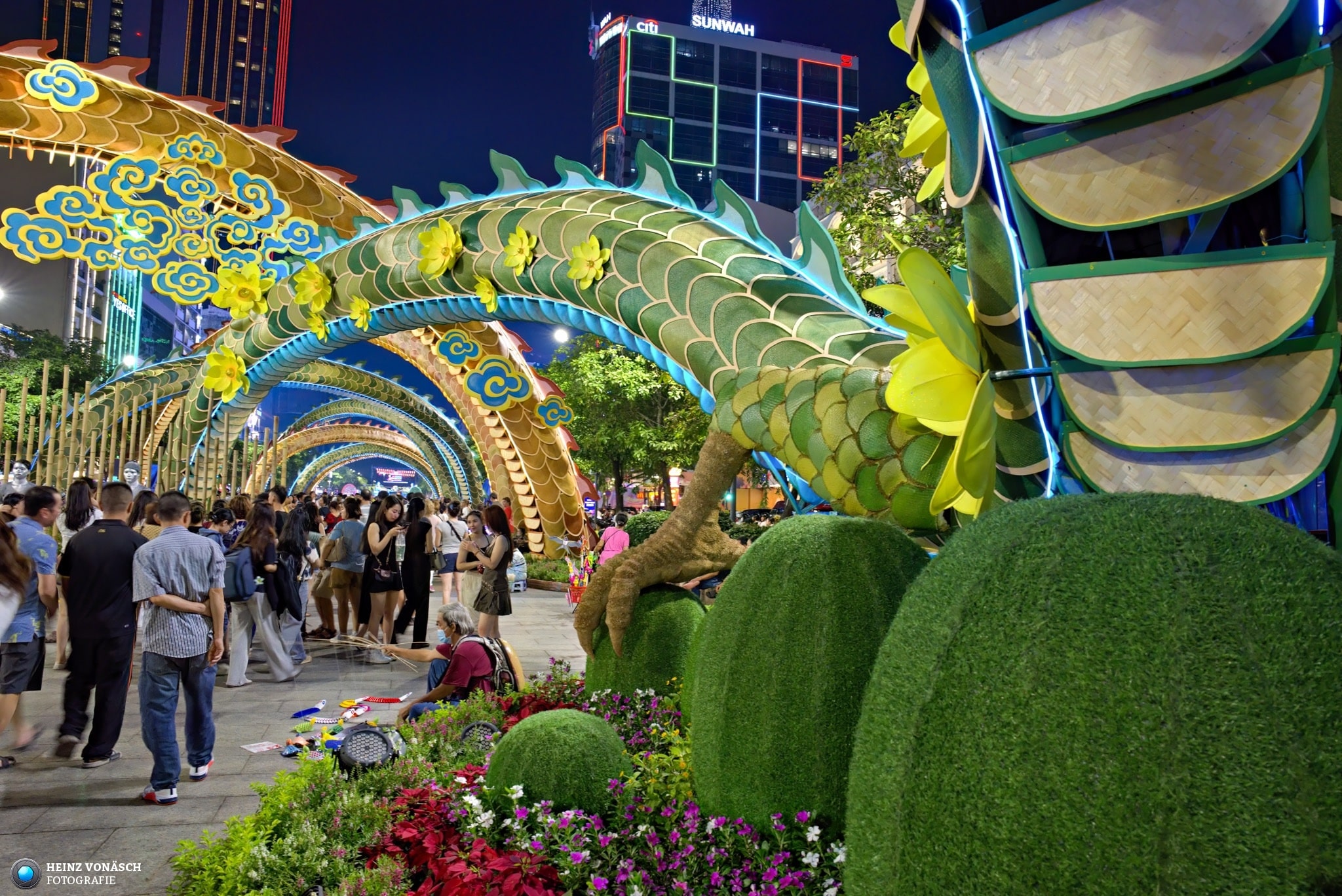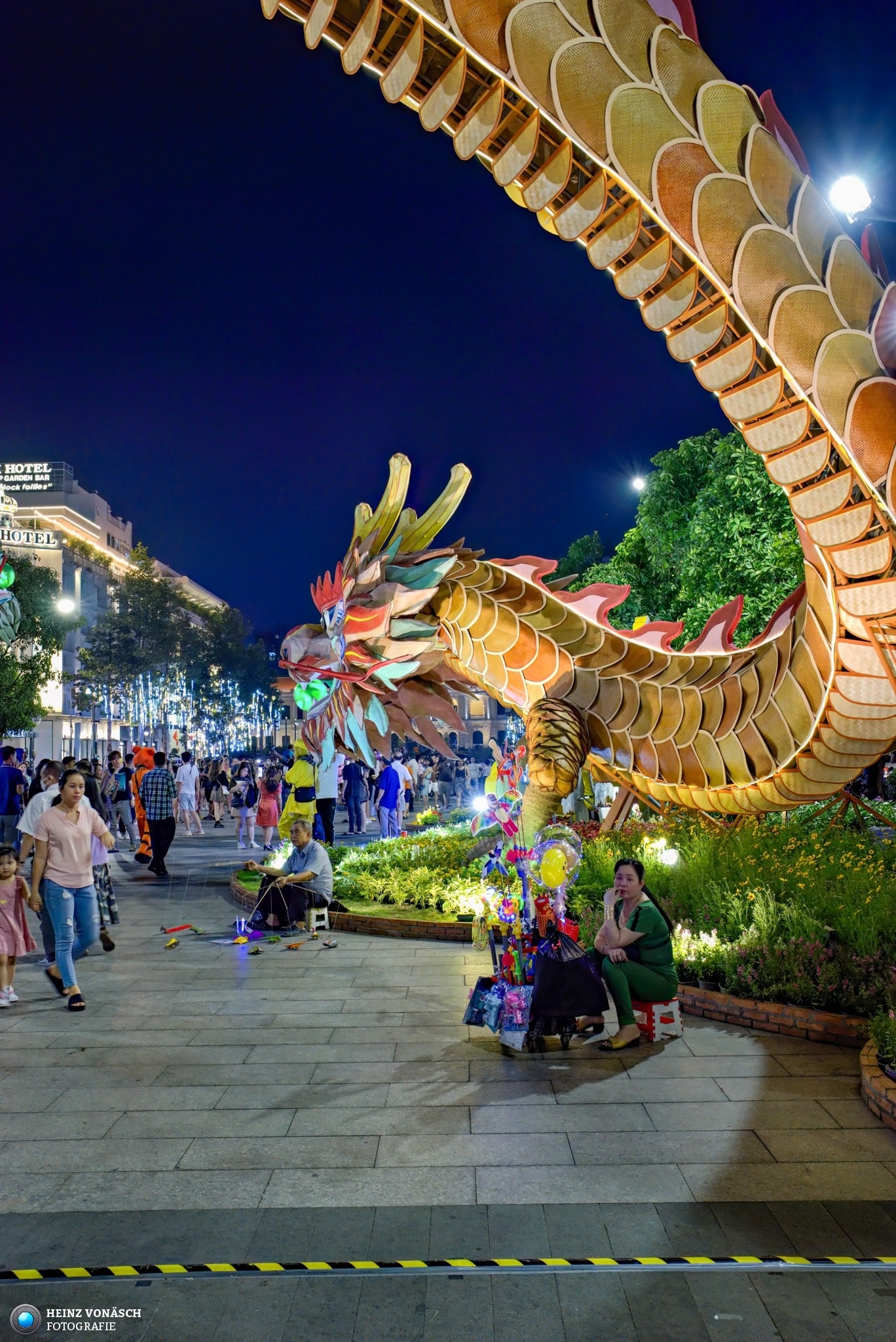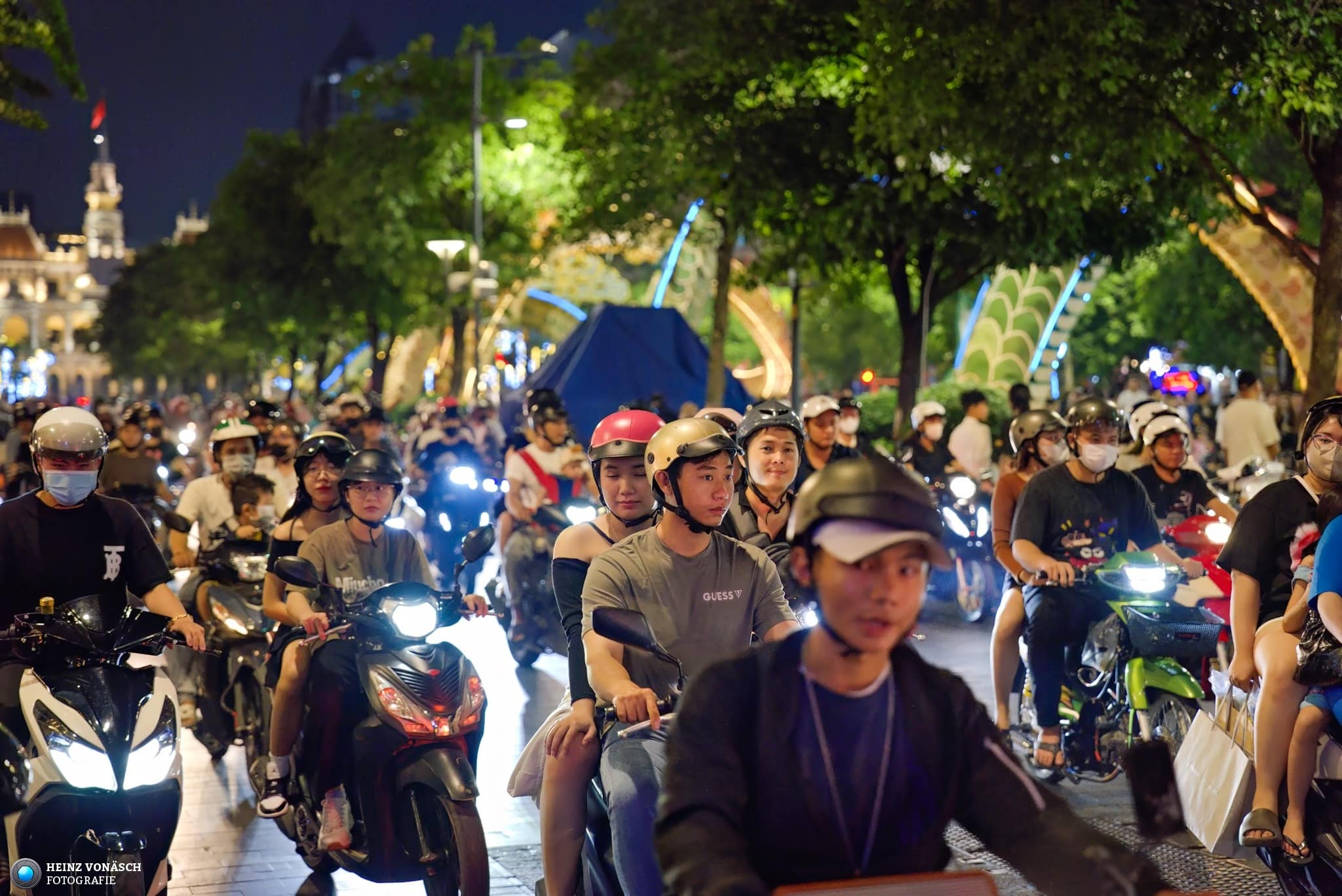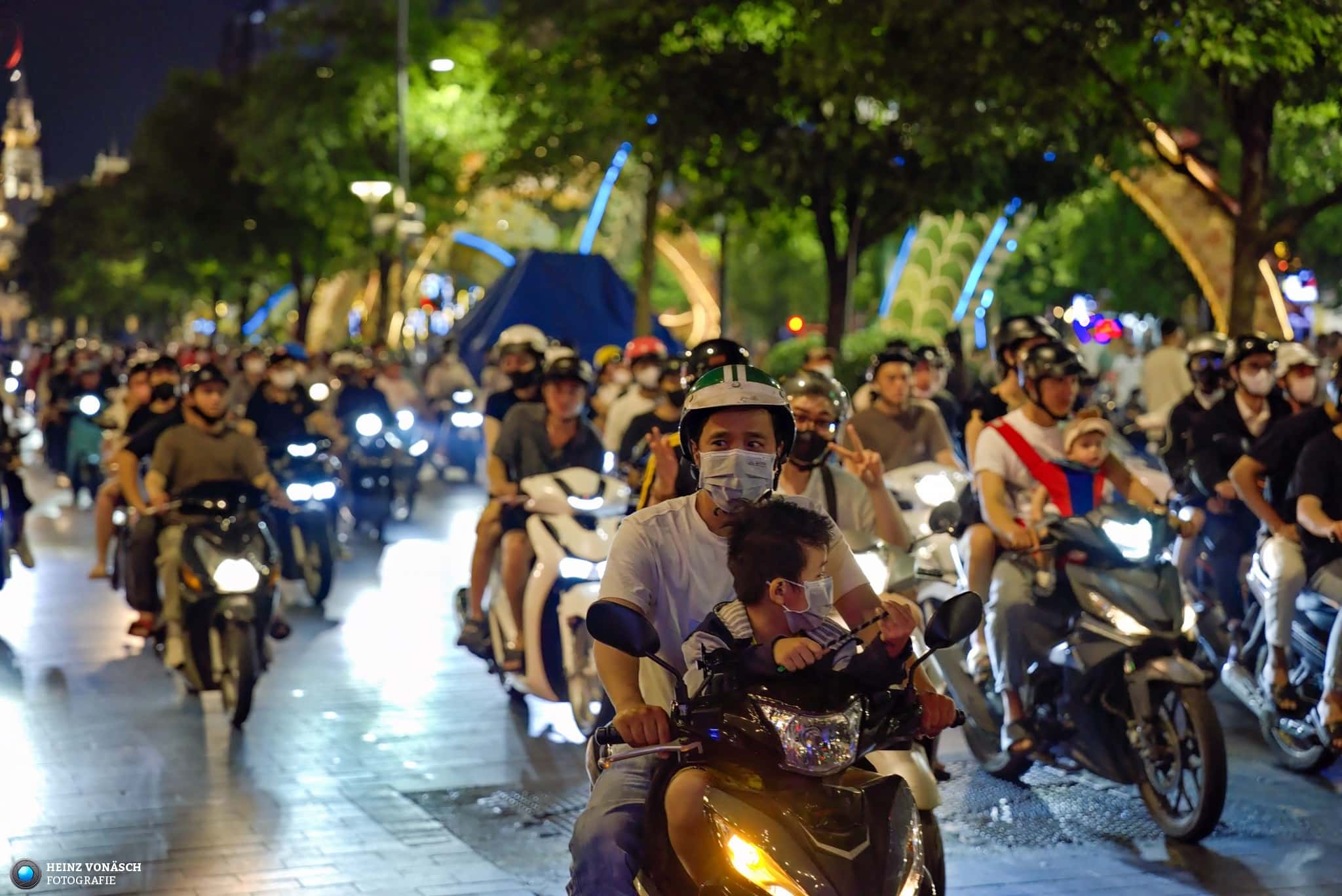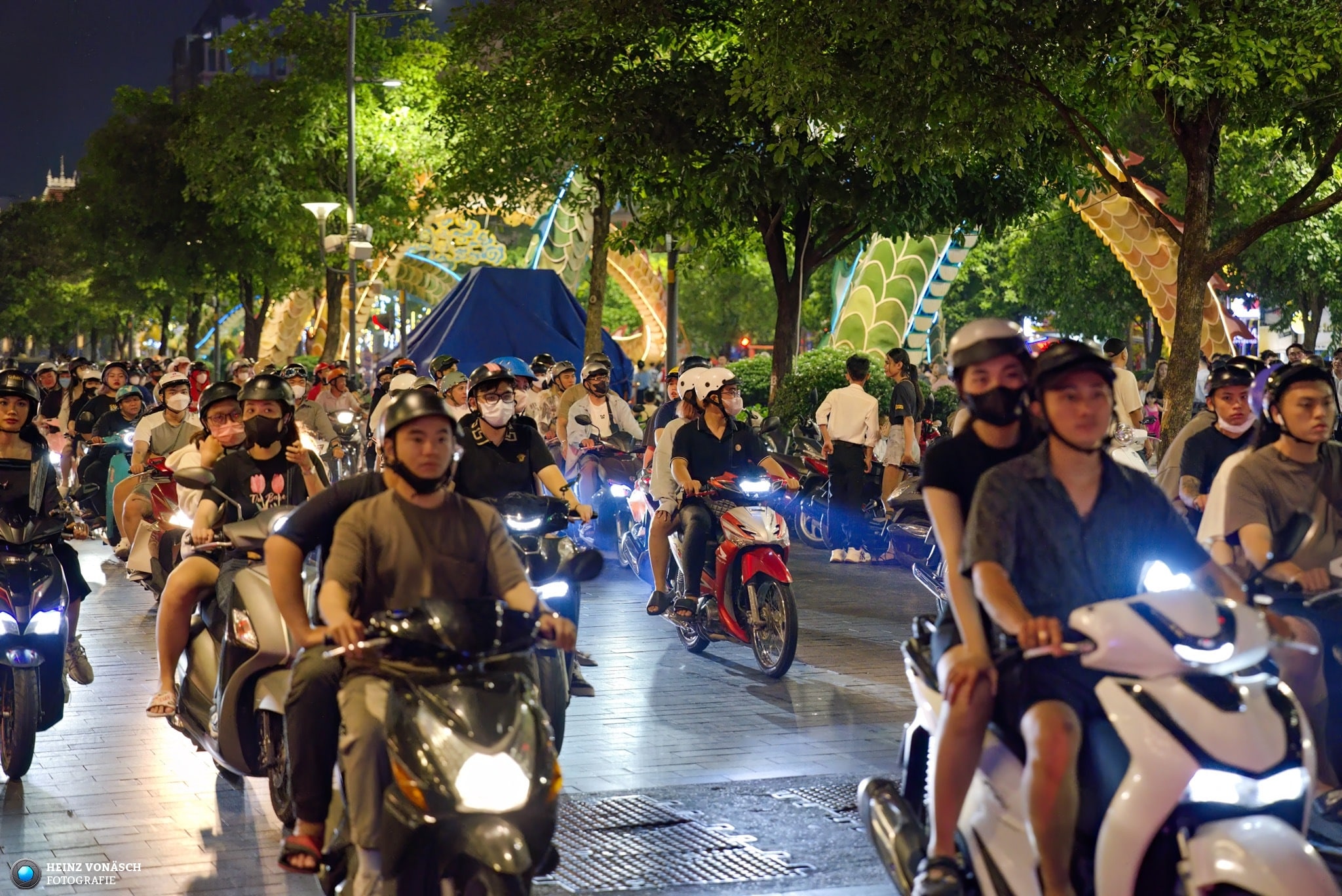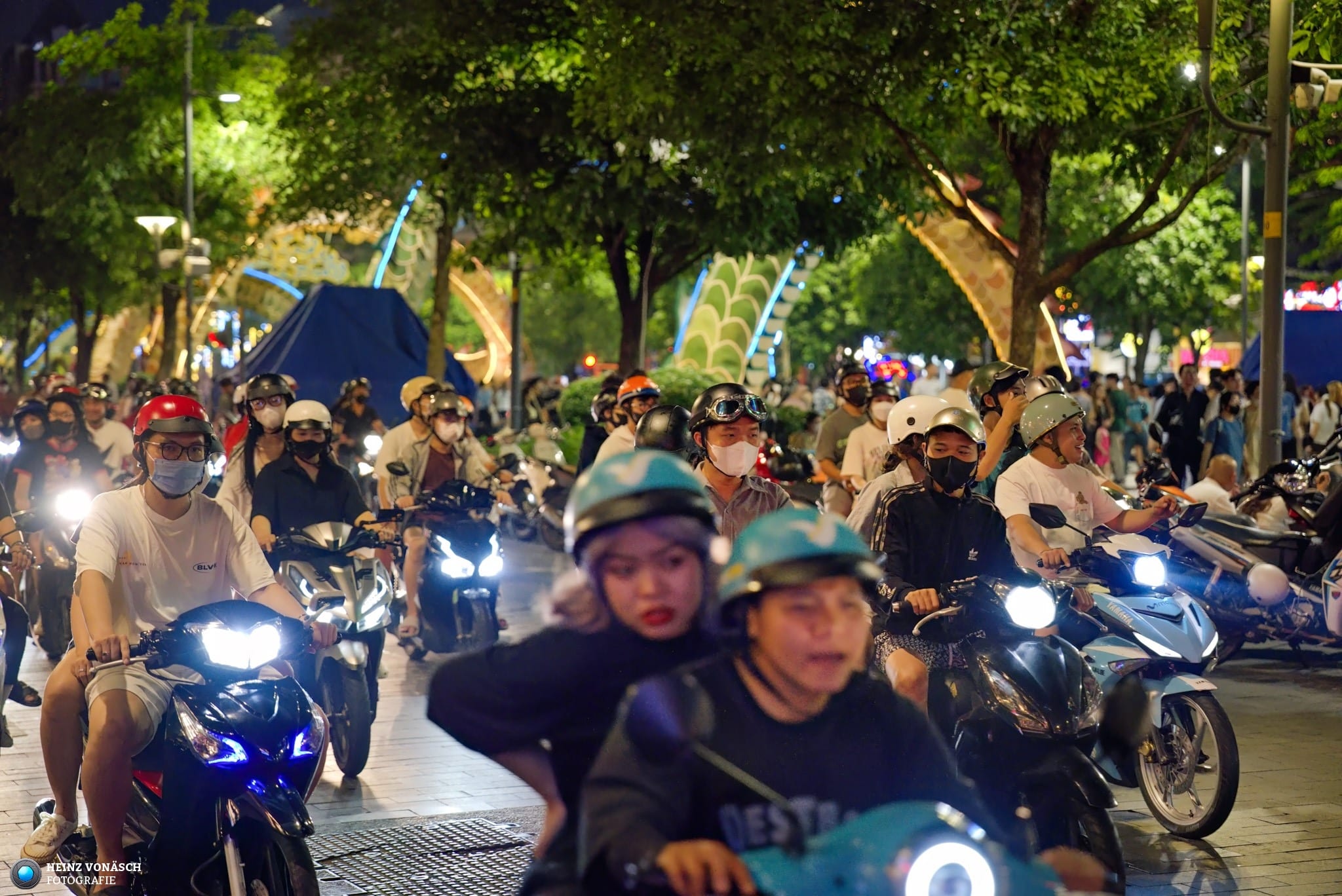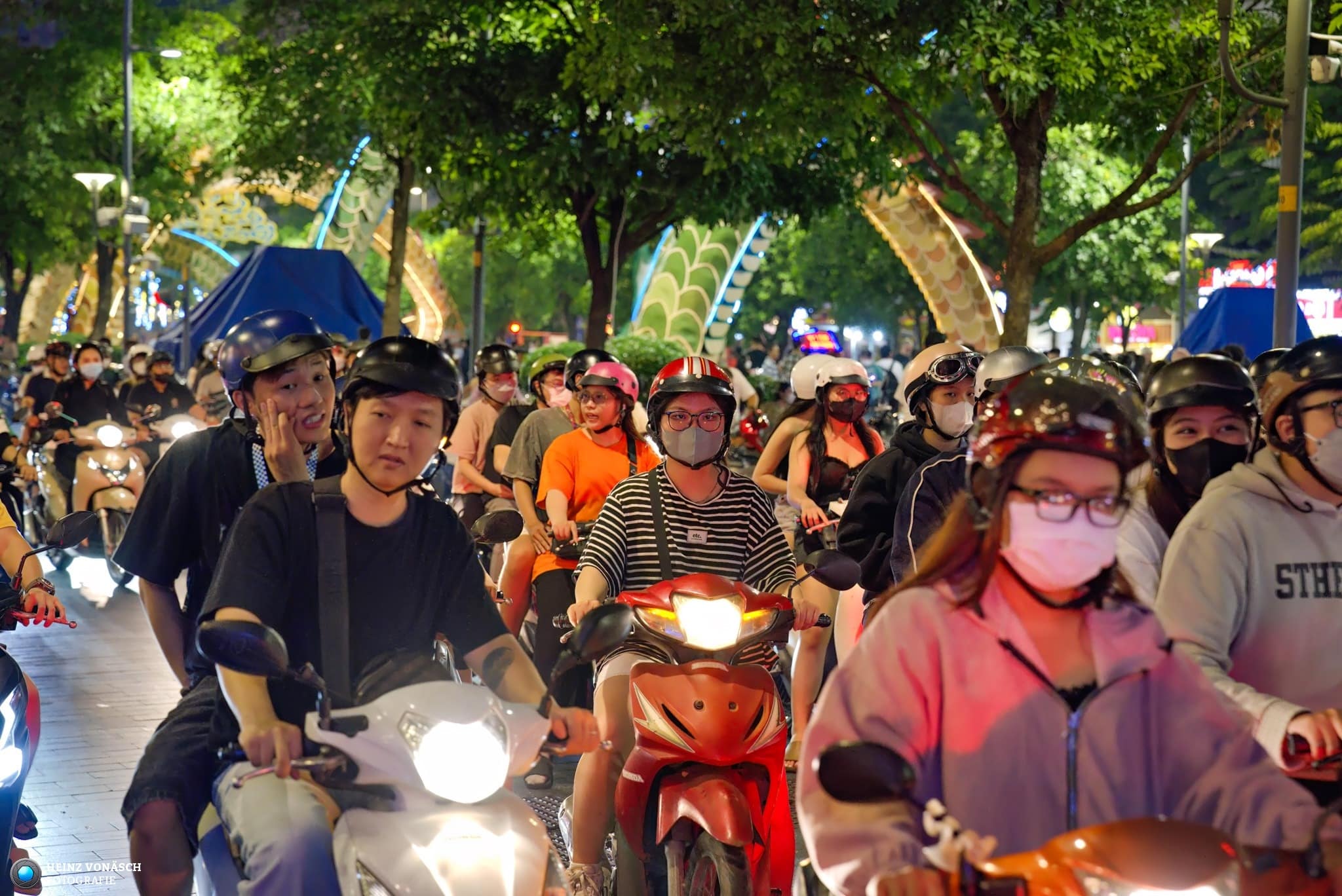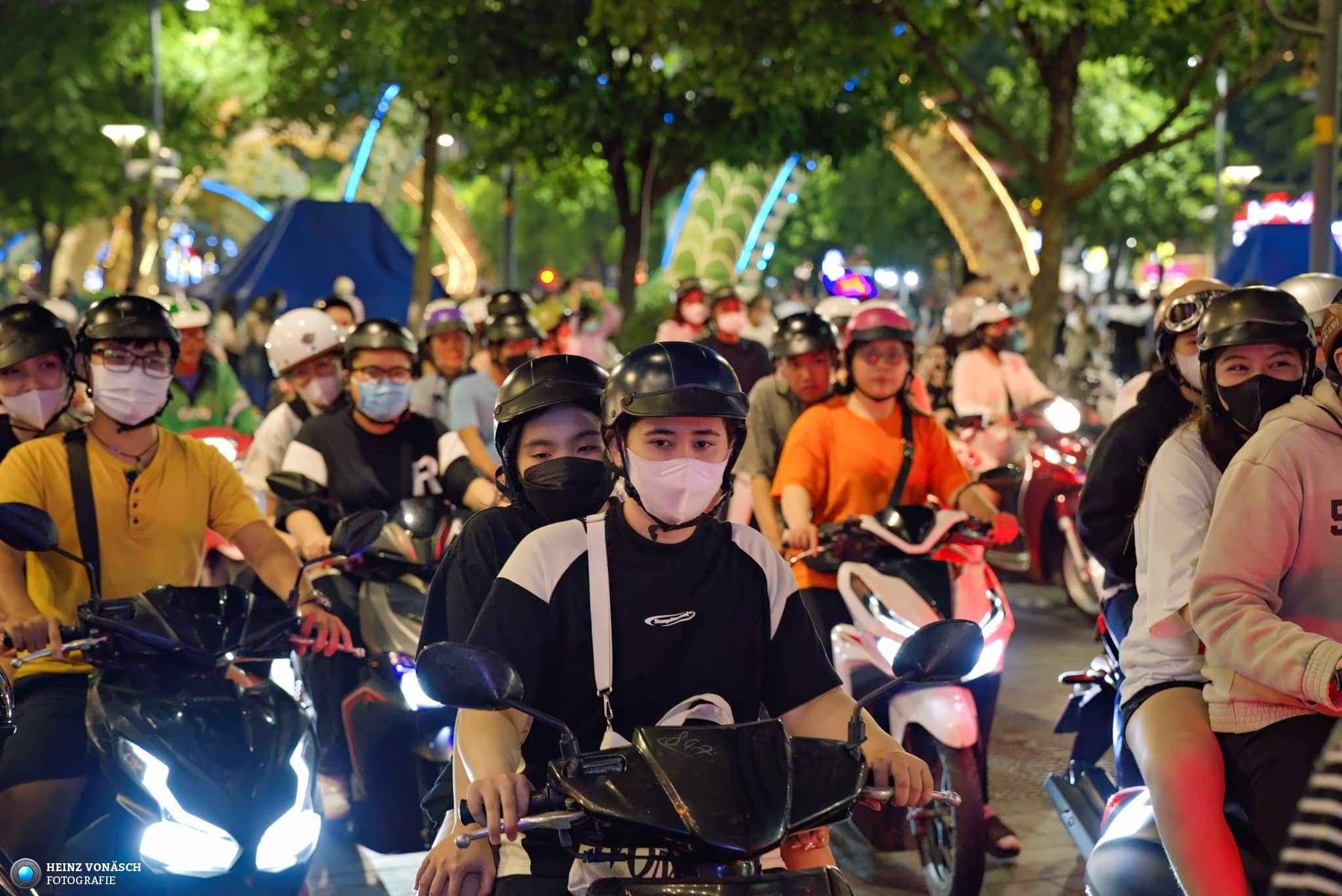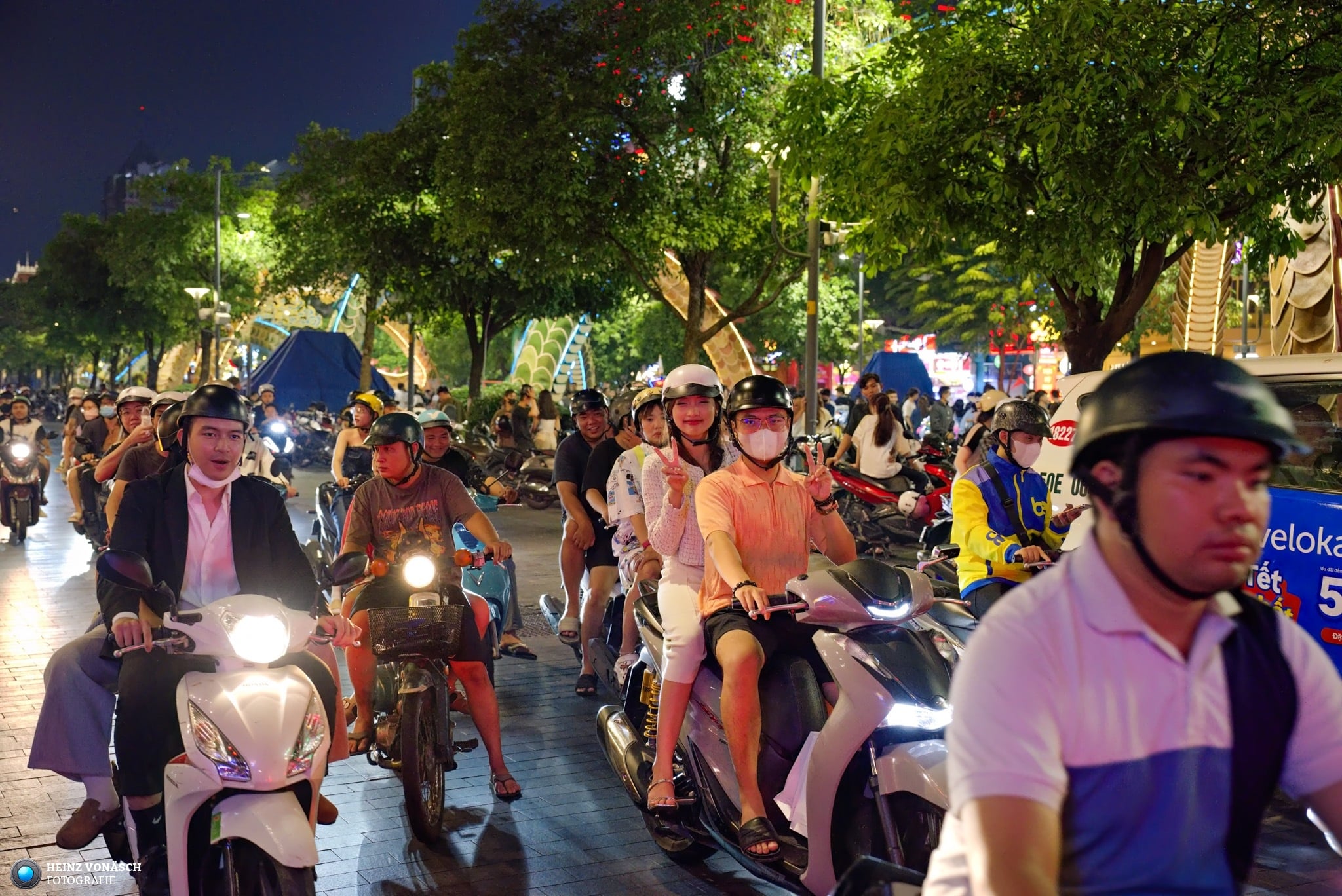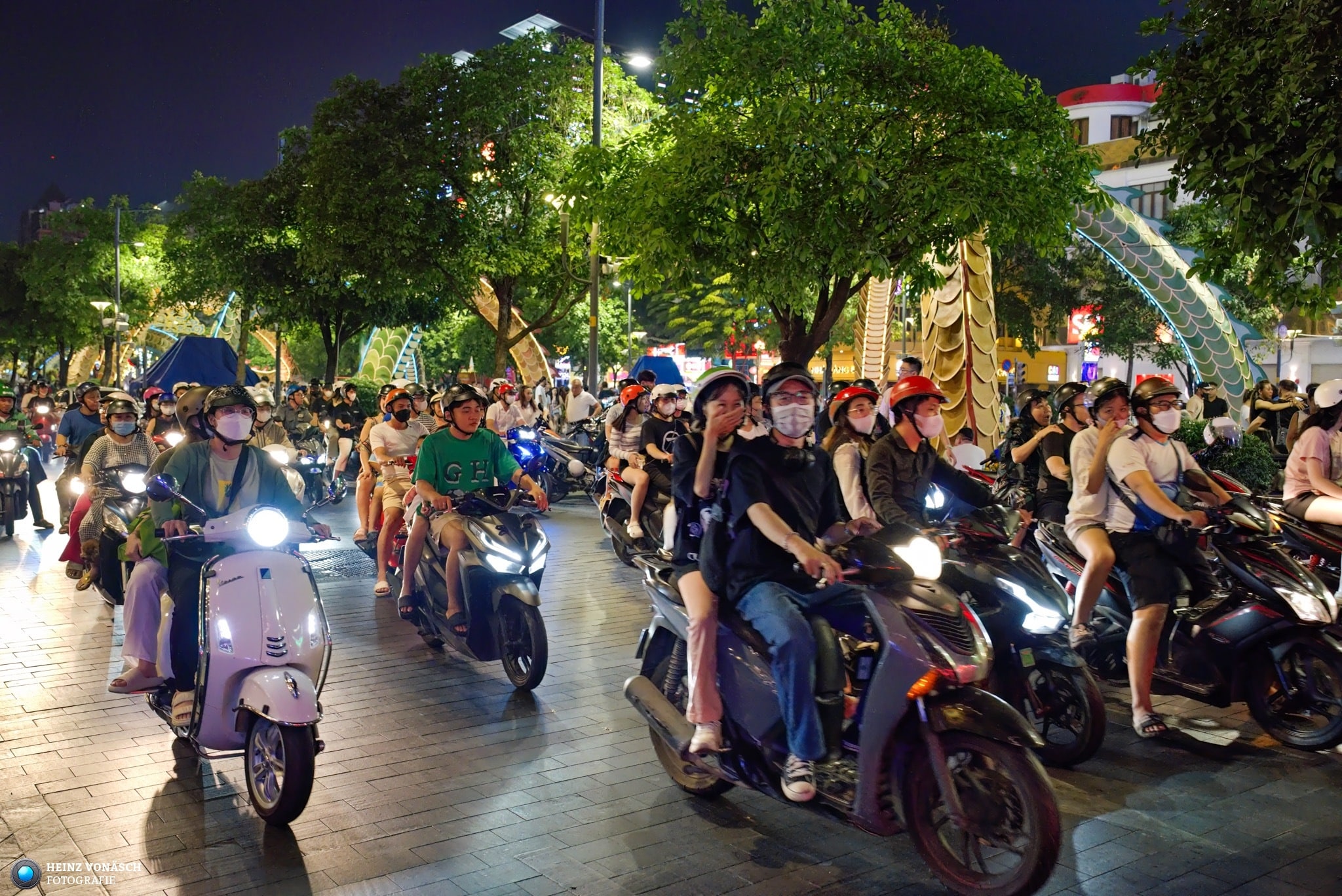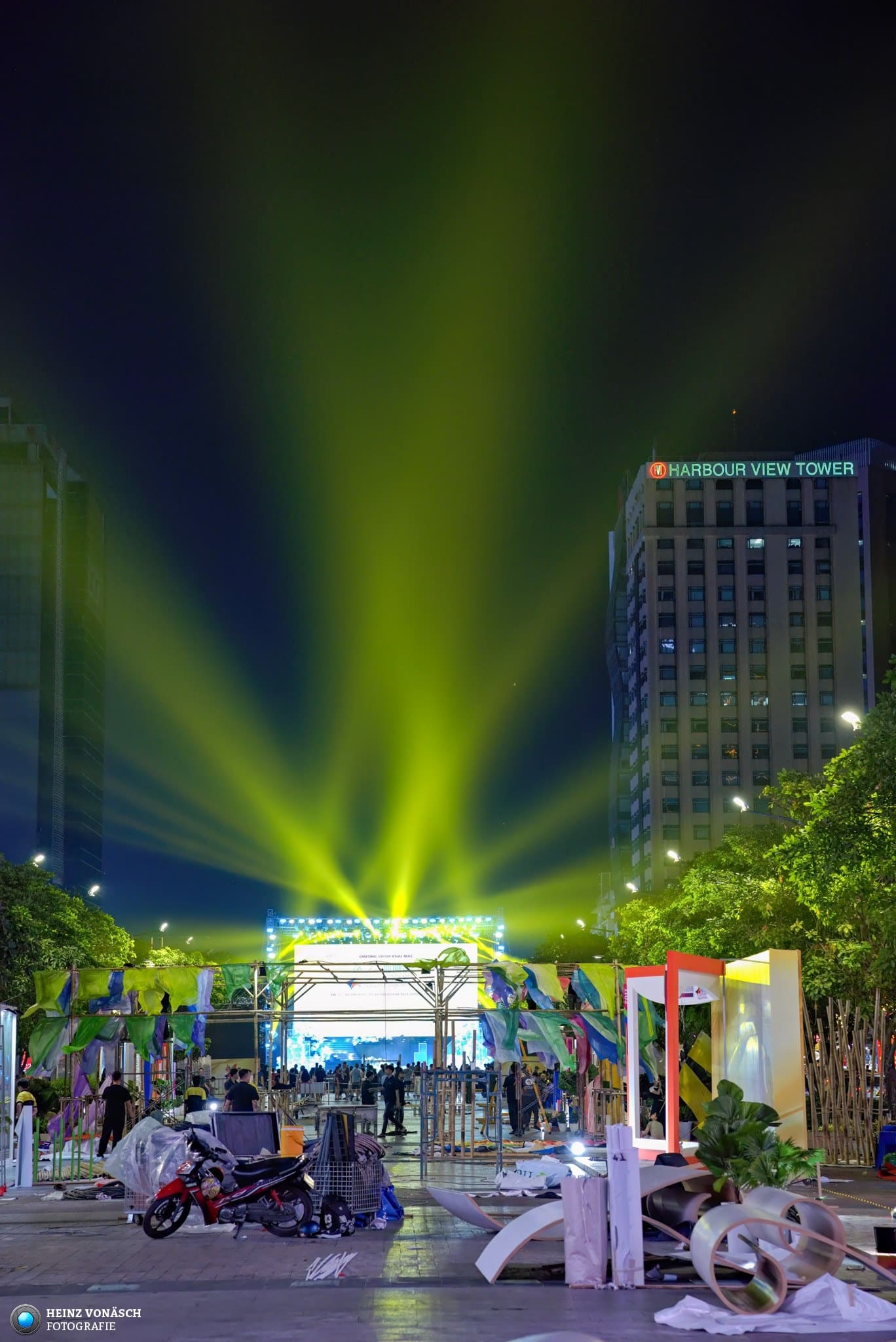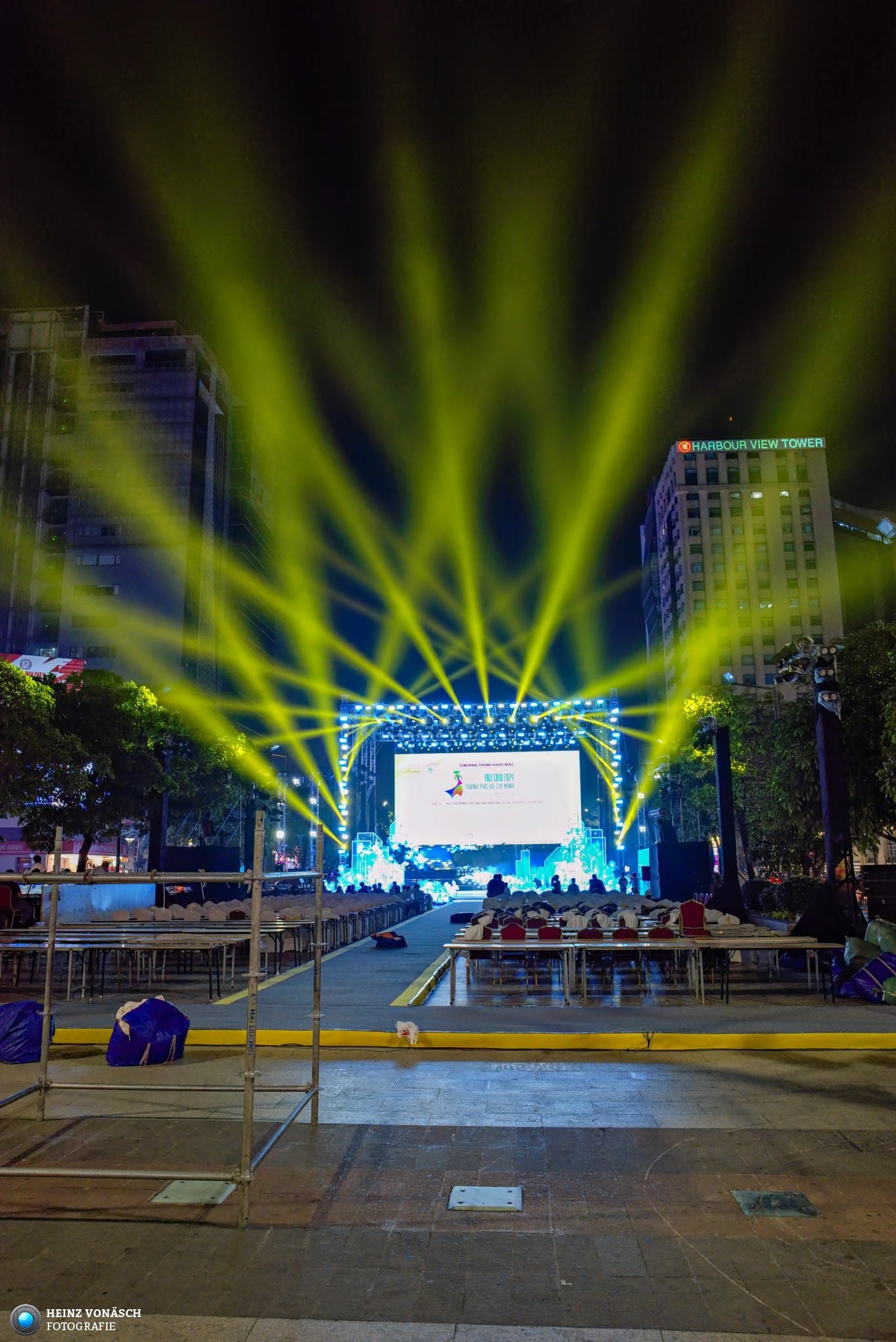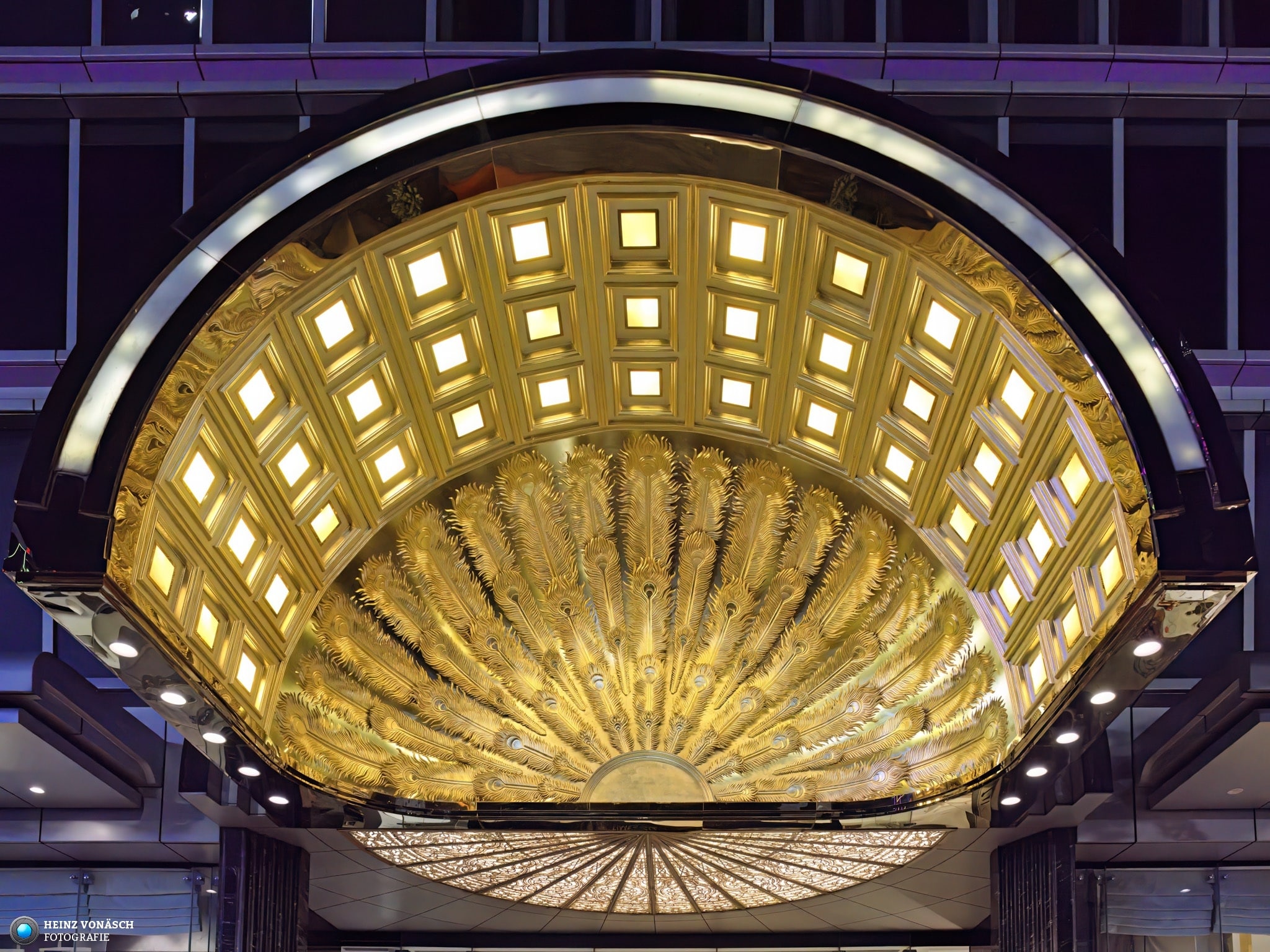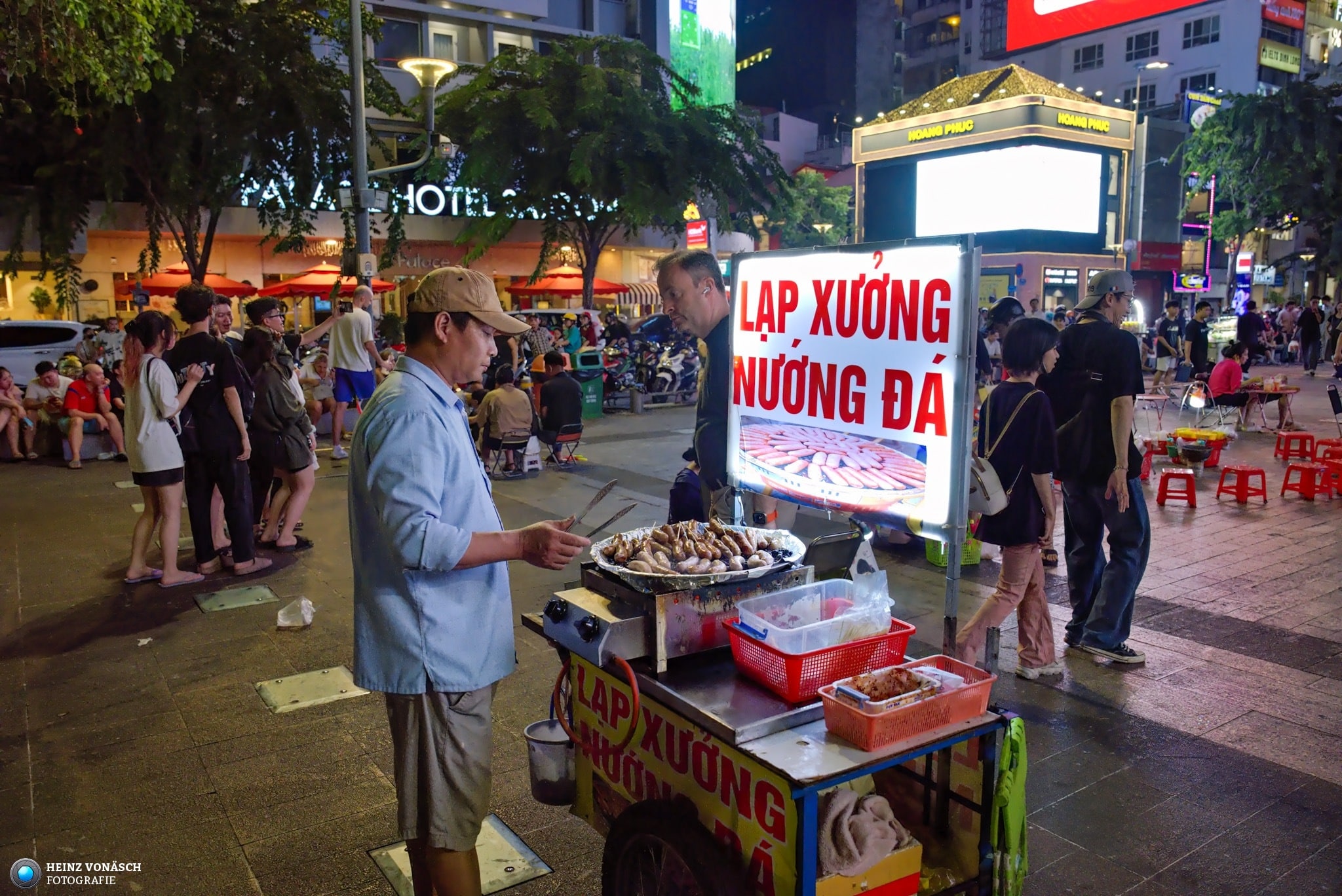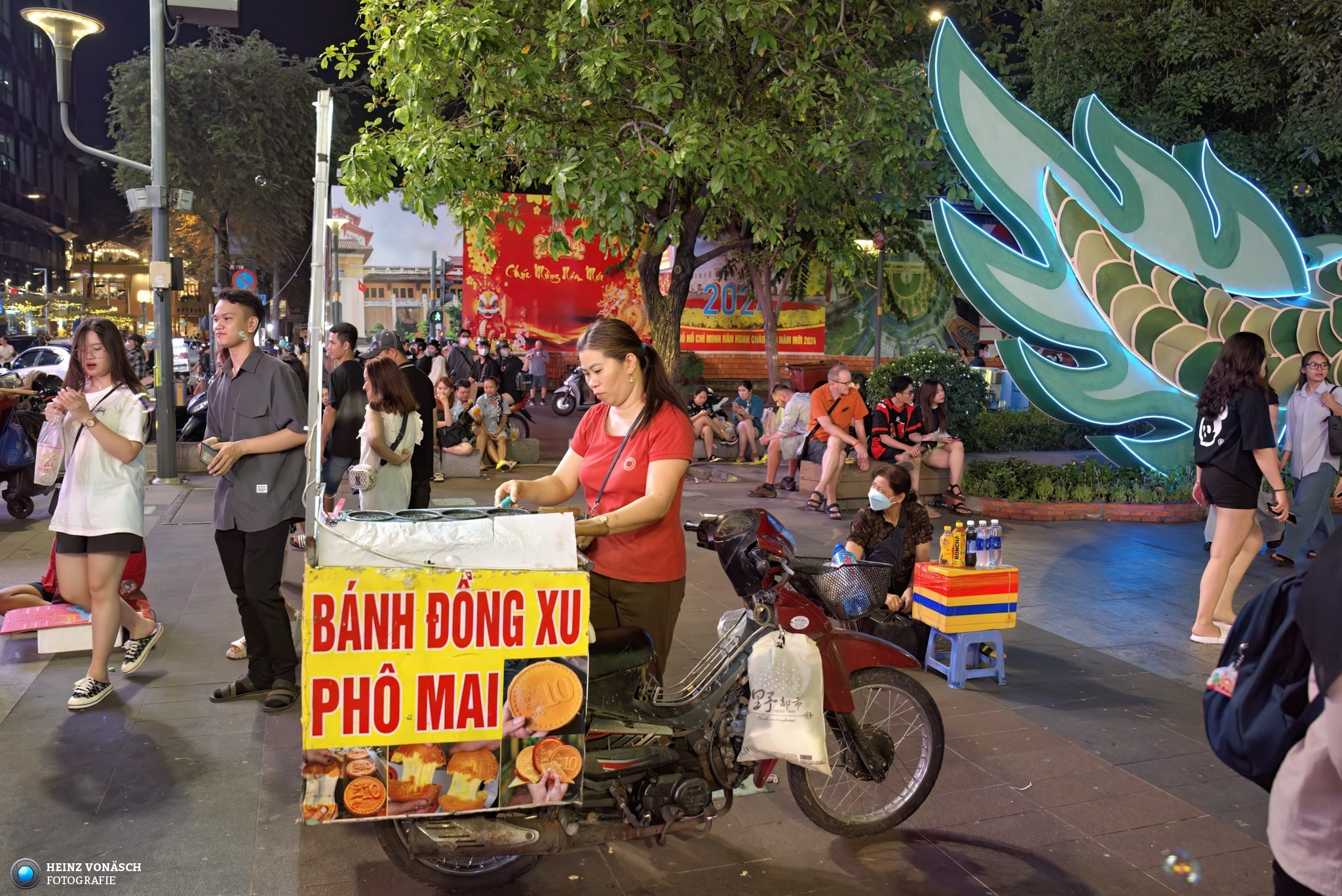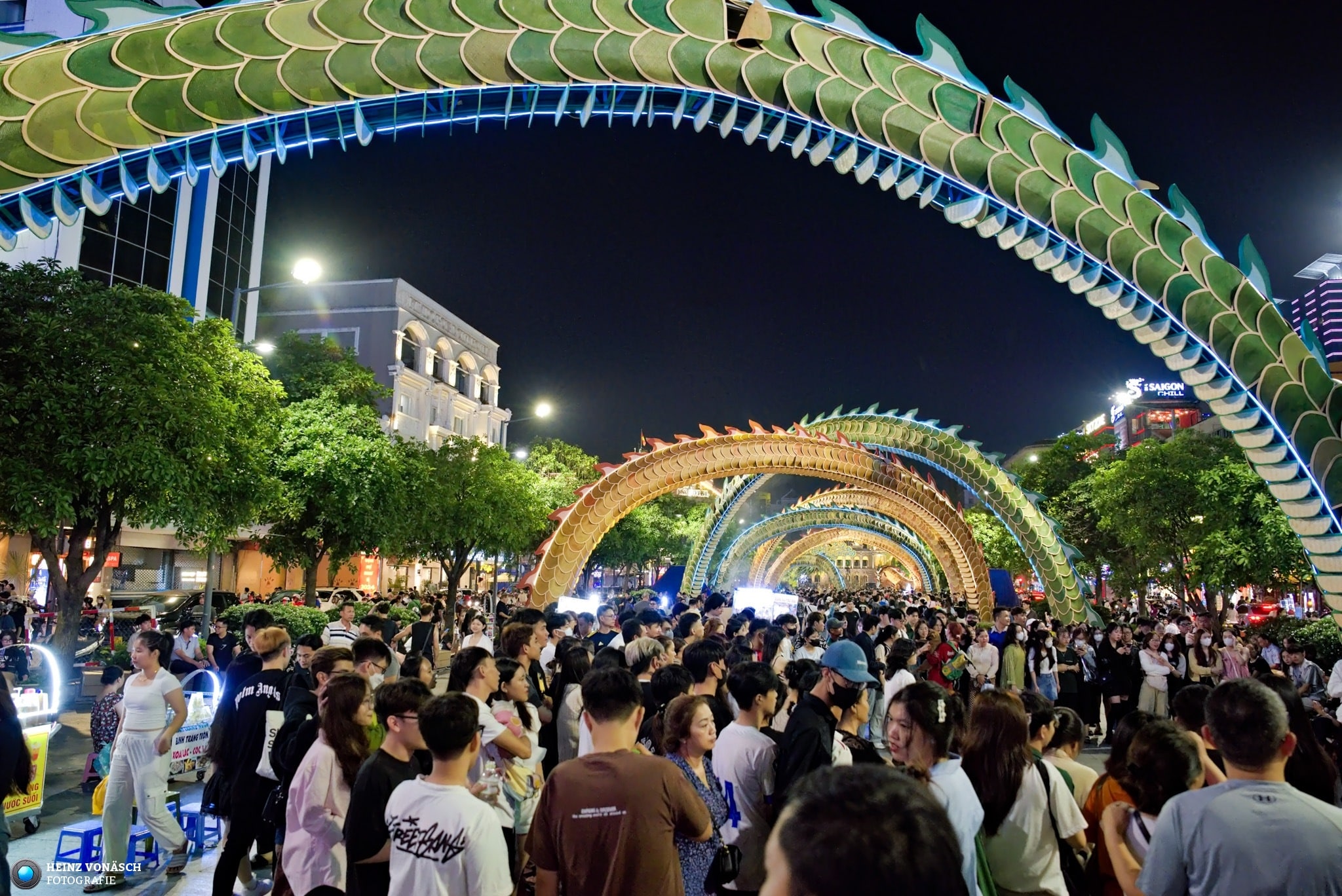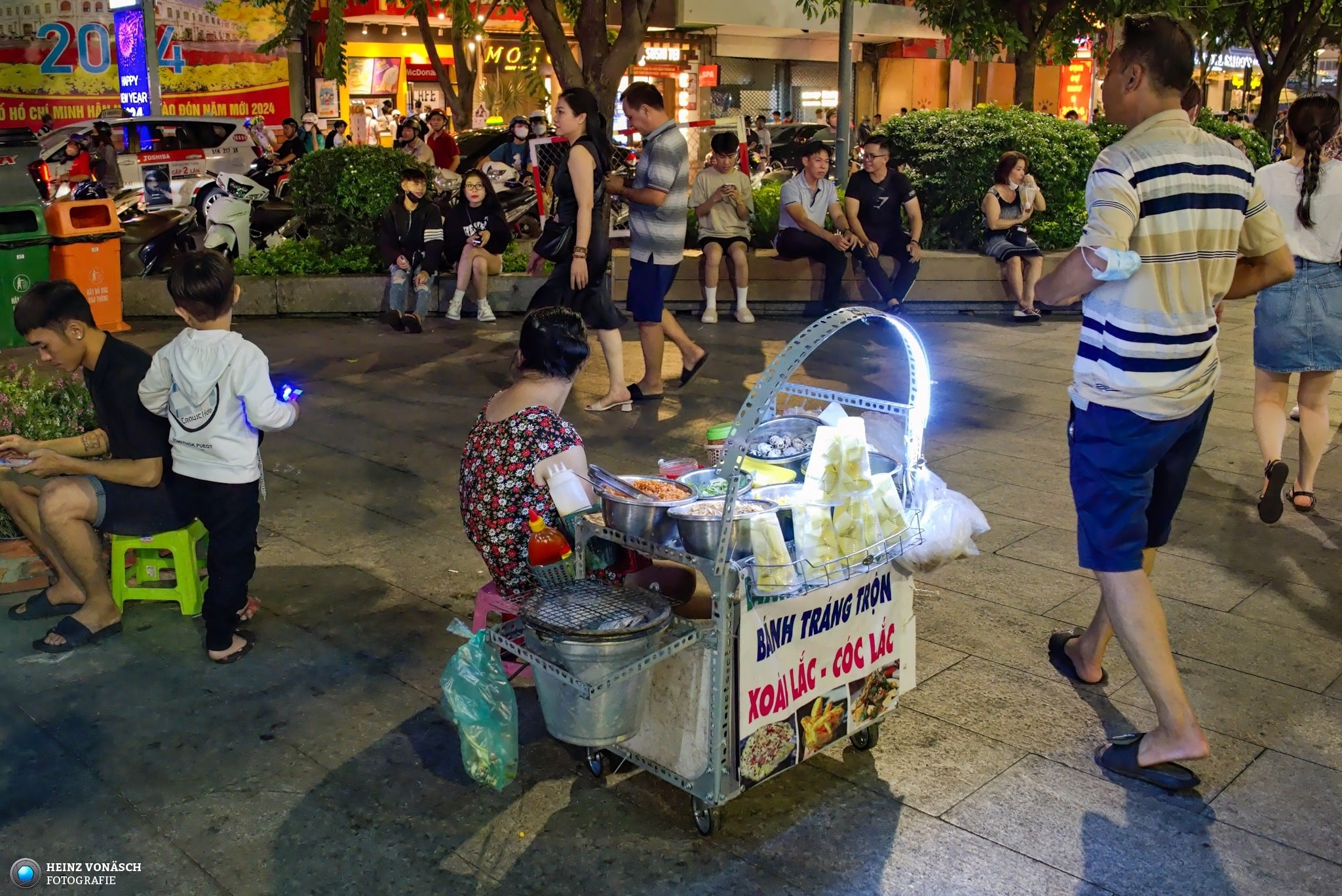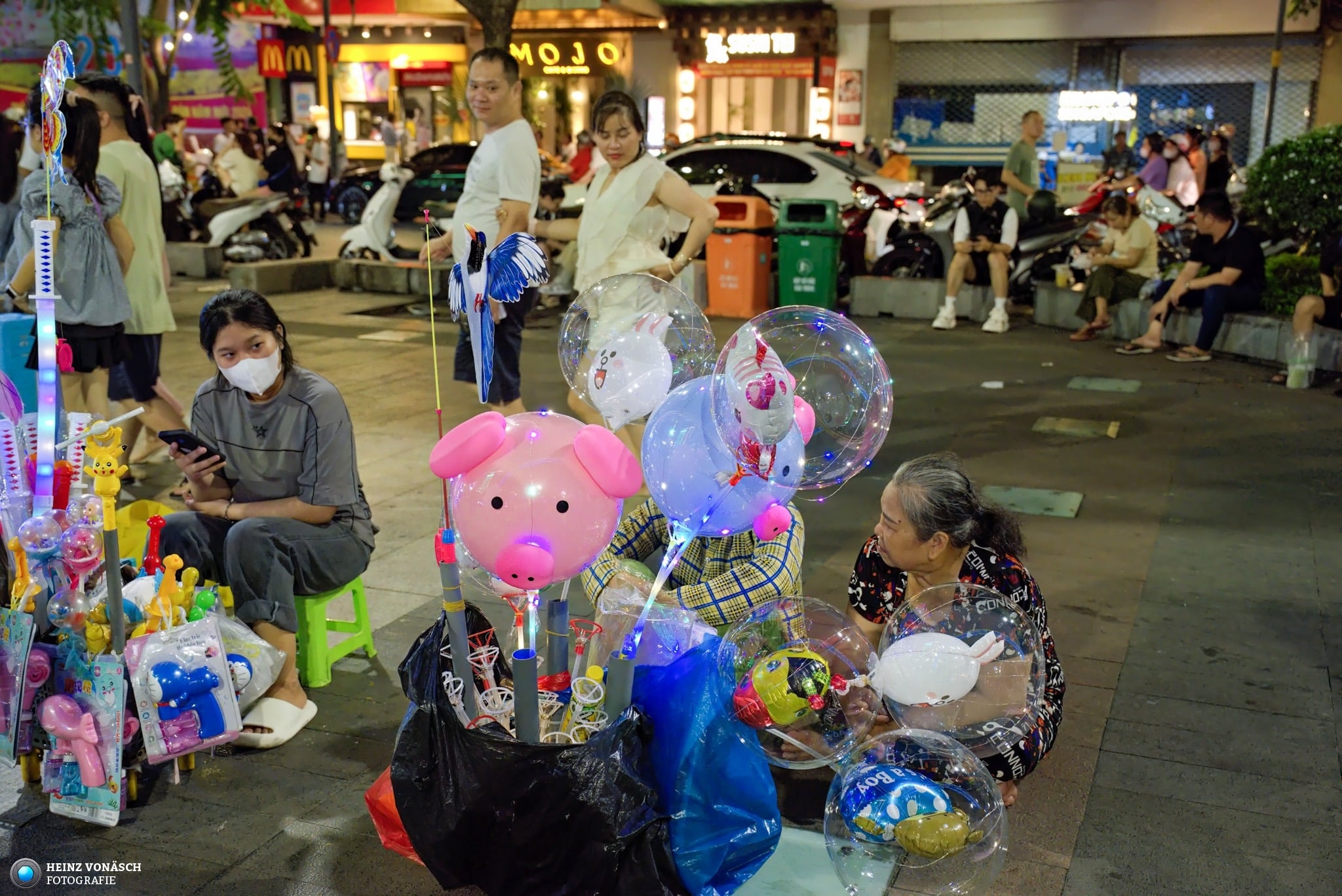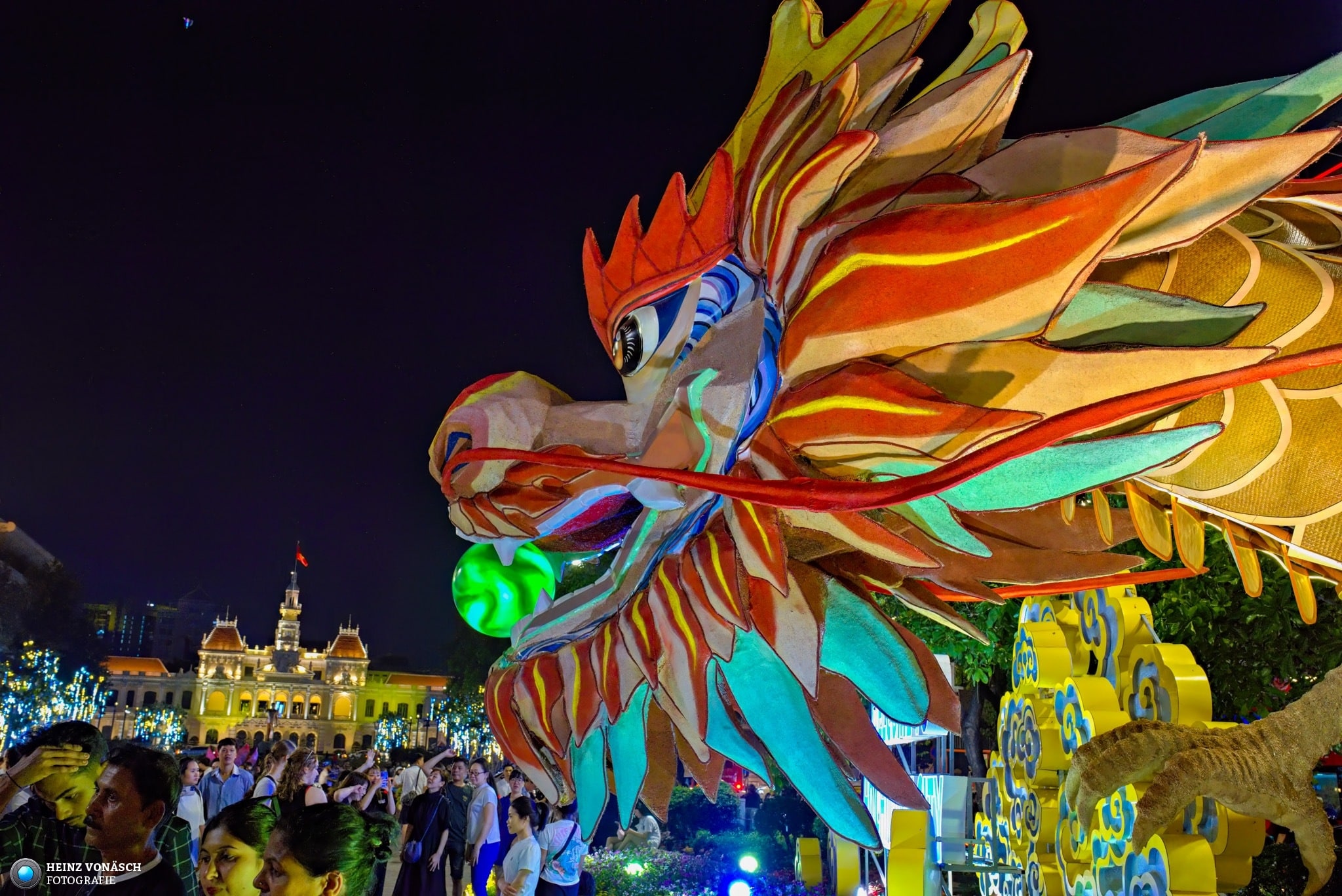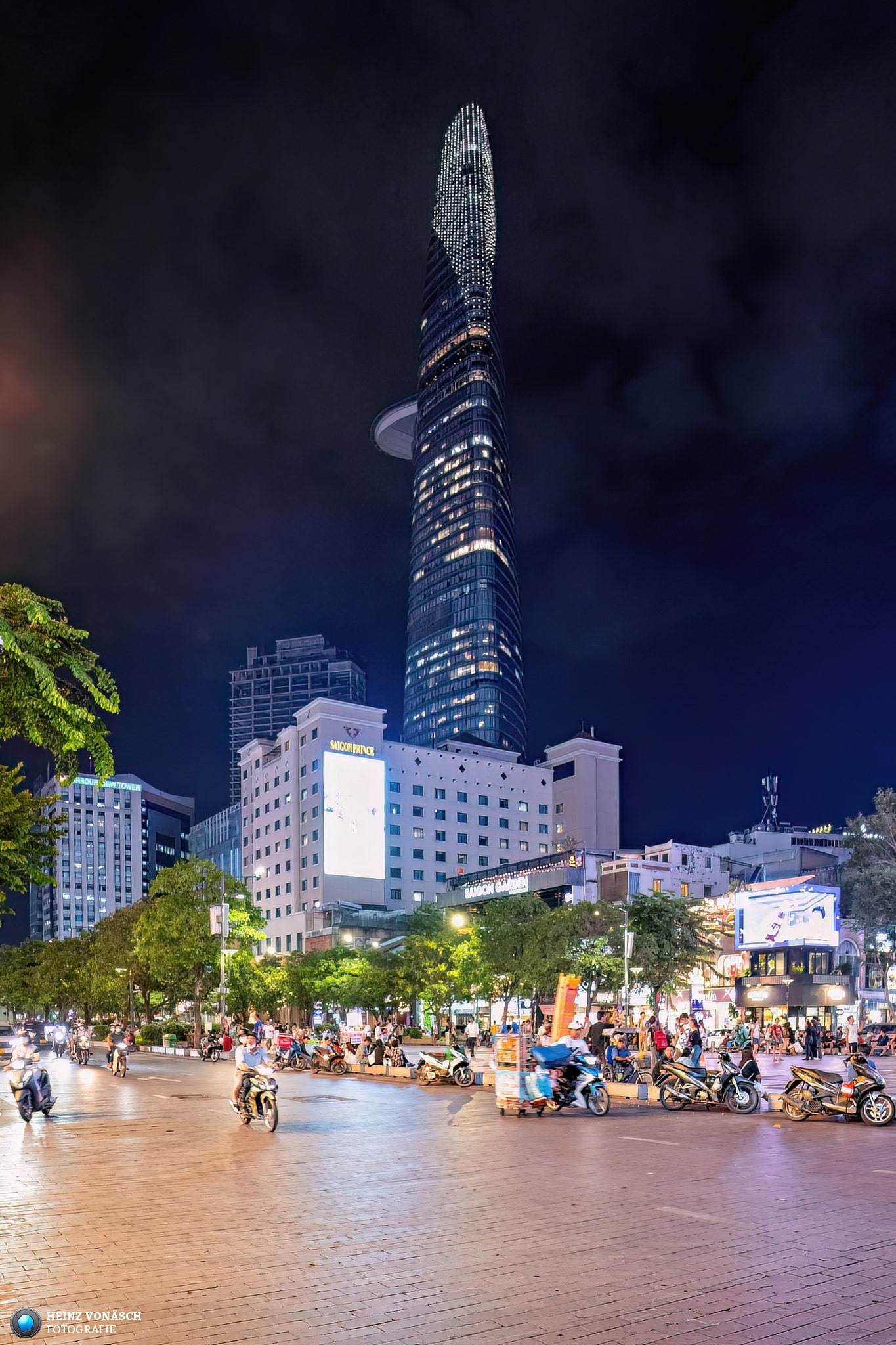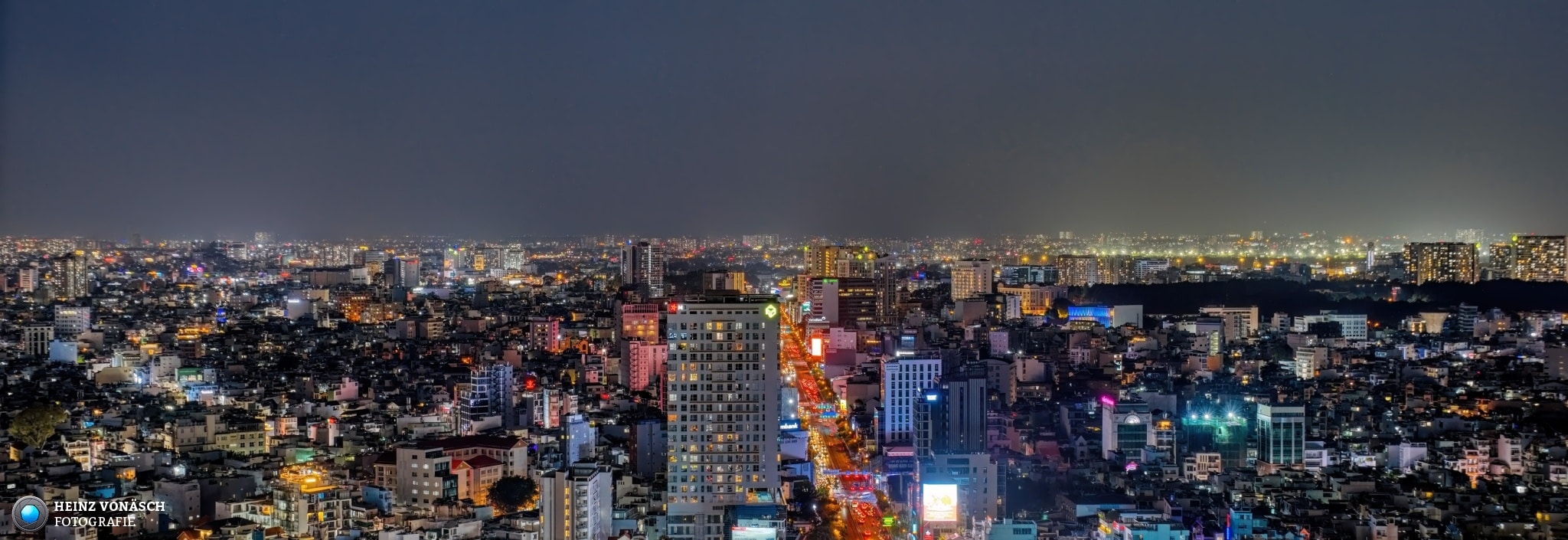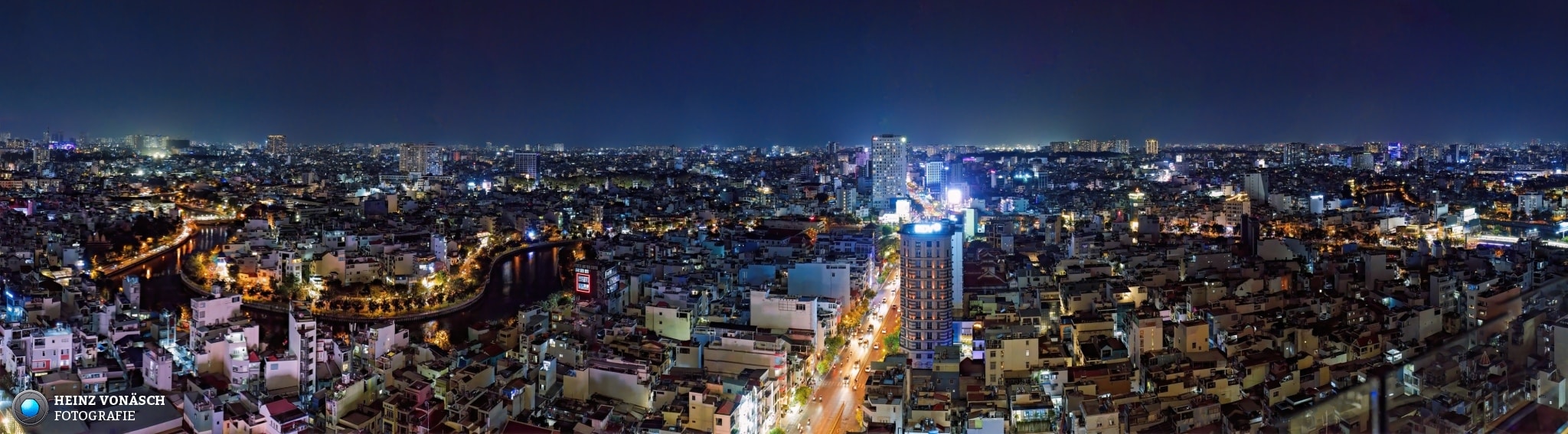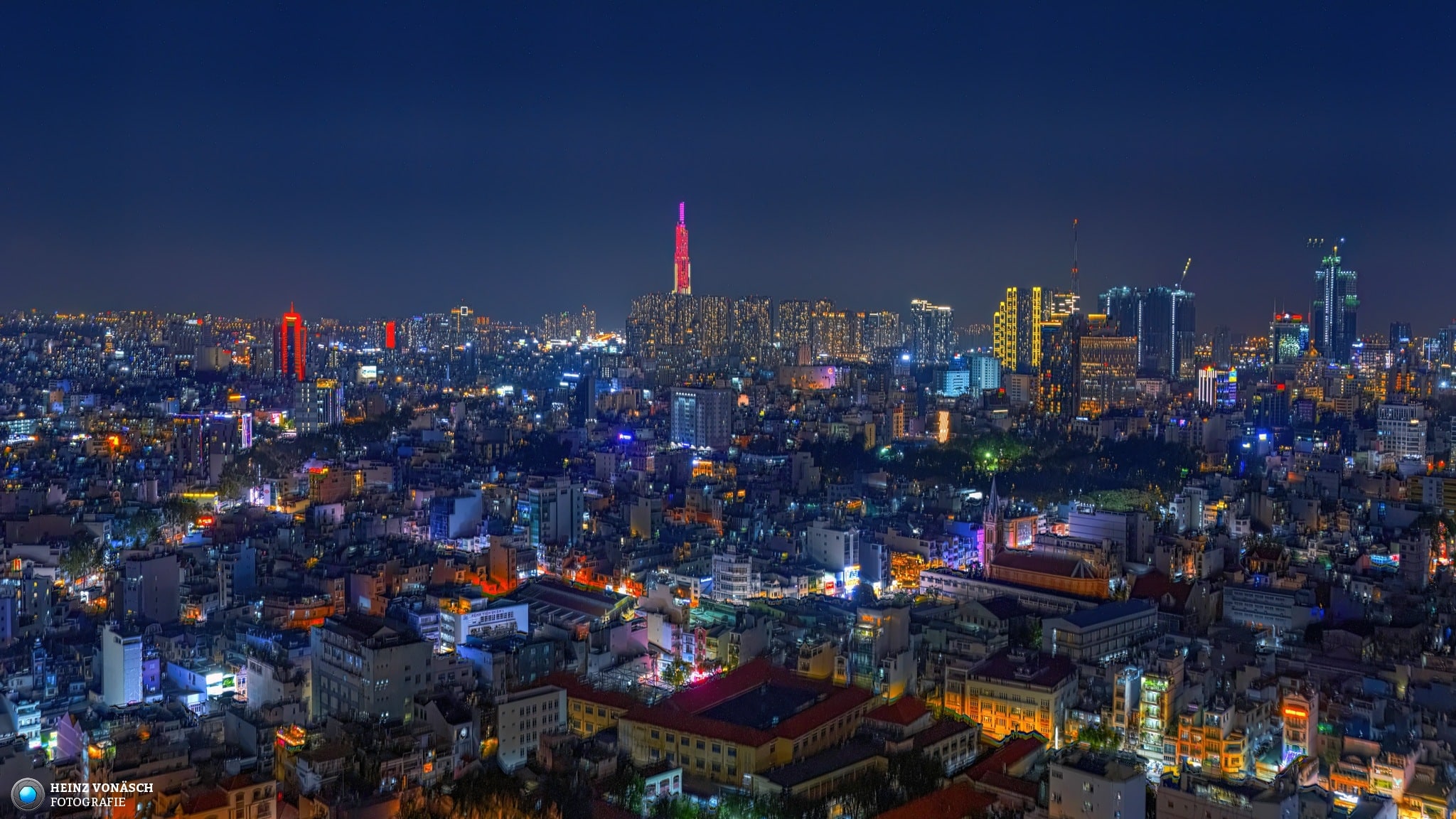

Ho Chi Minh City Feb. 2024
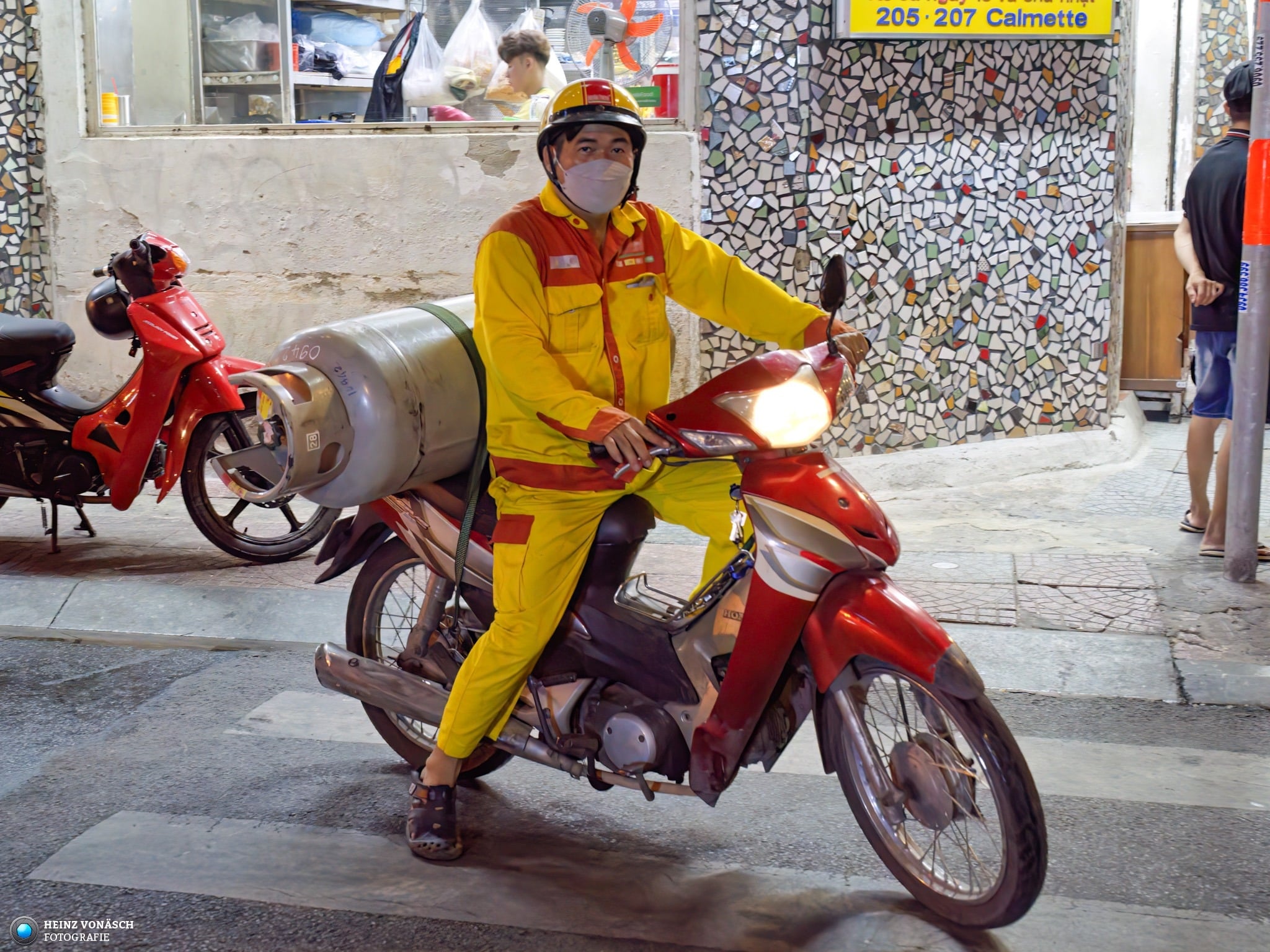
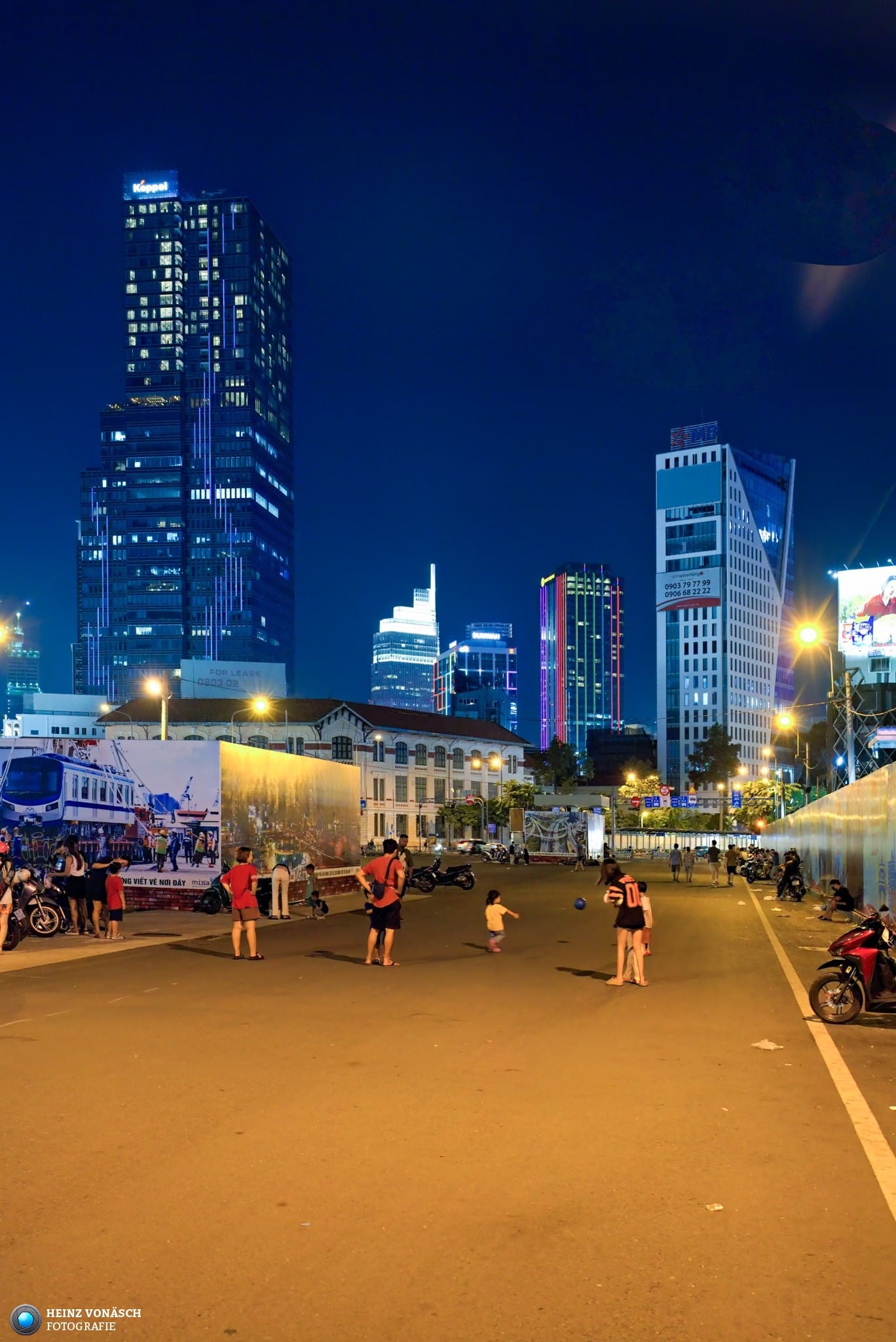
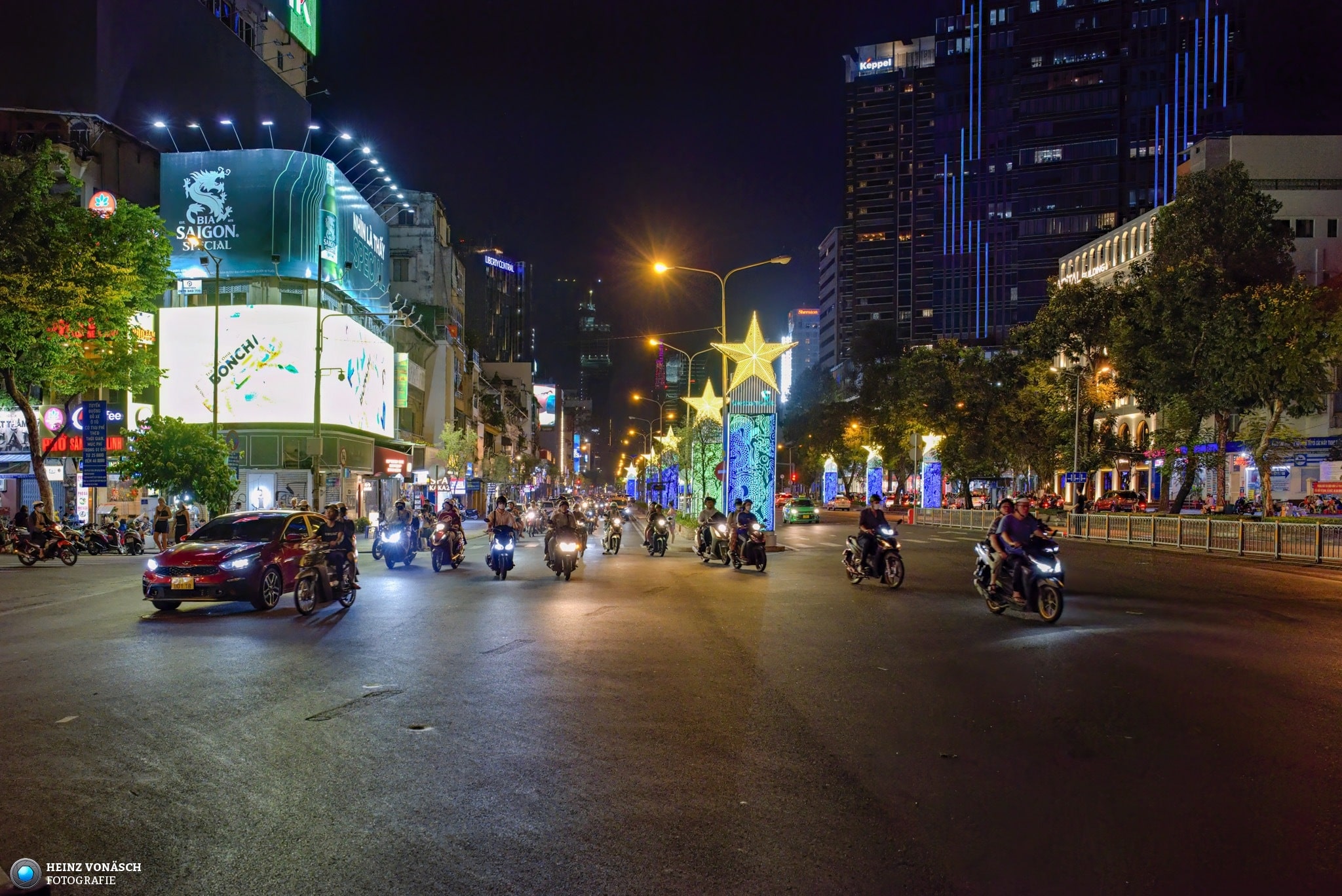
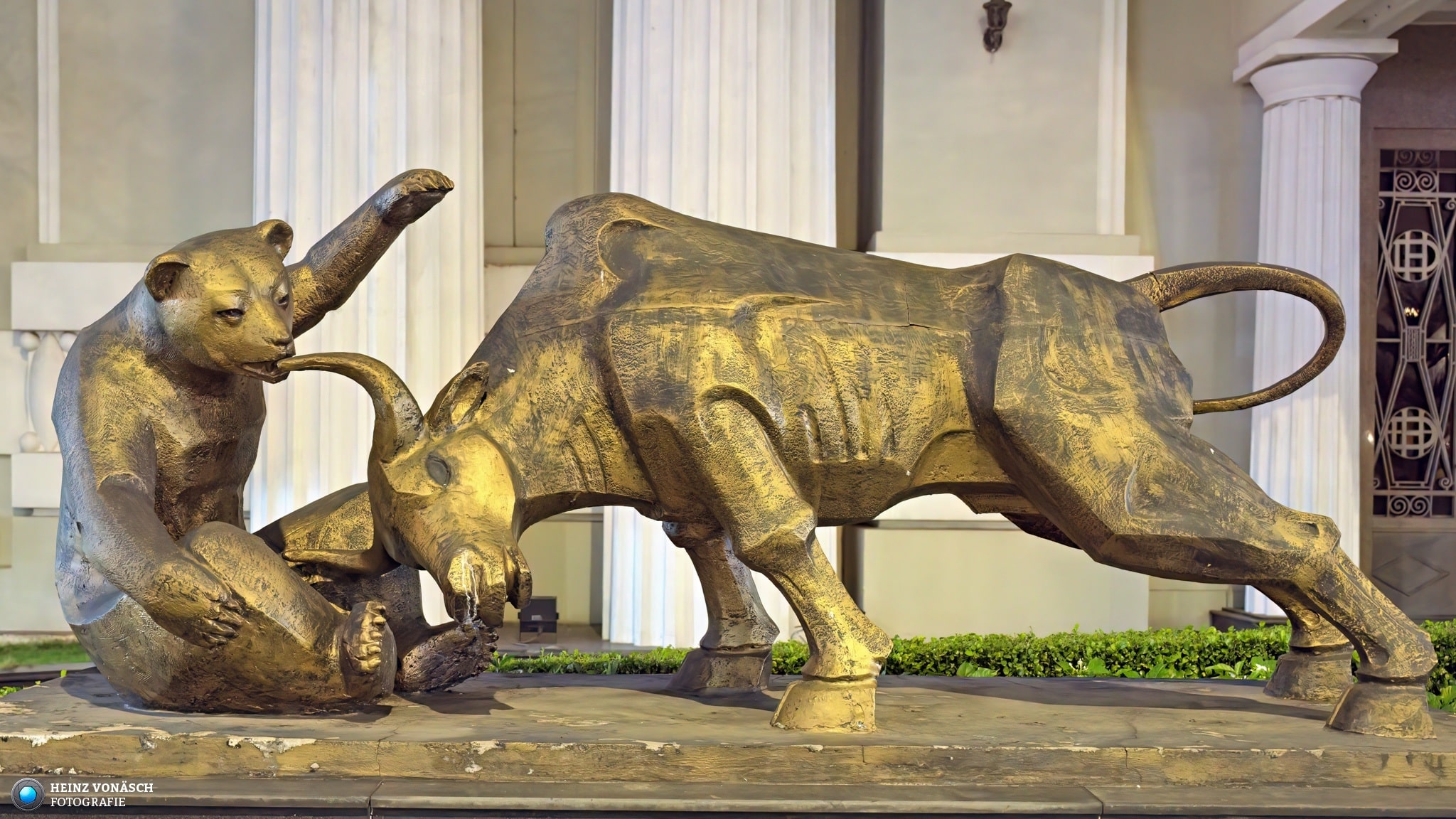
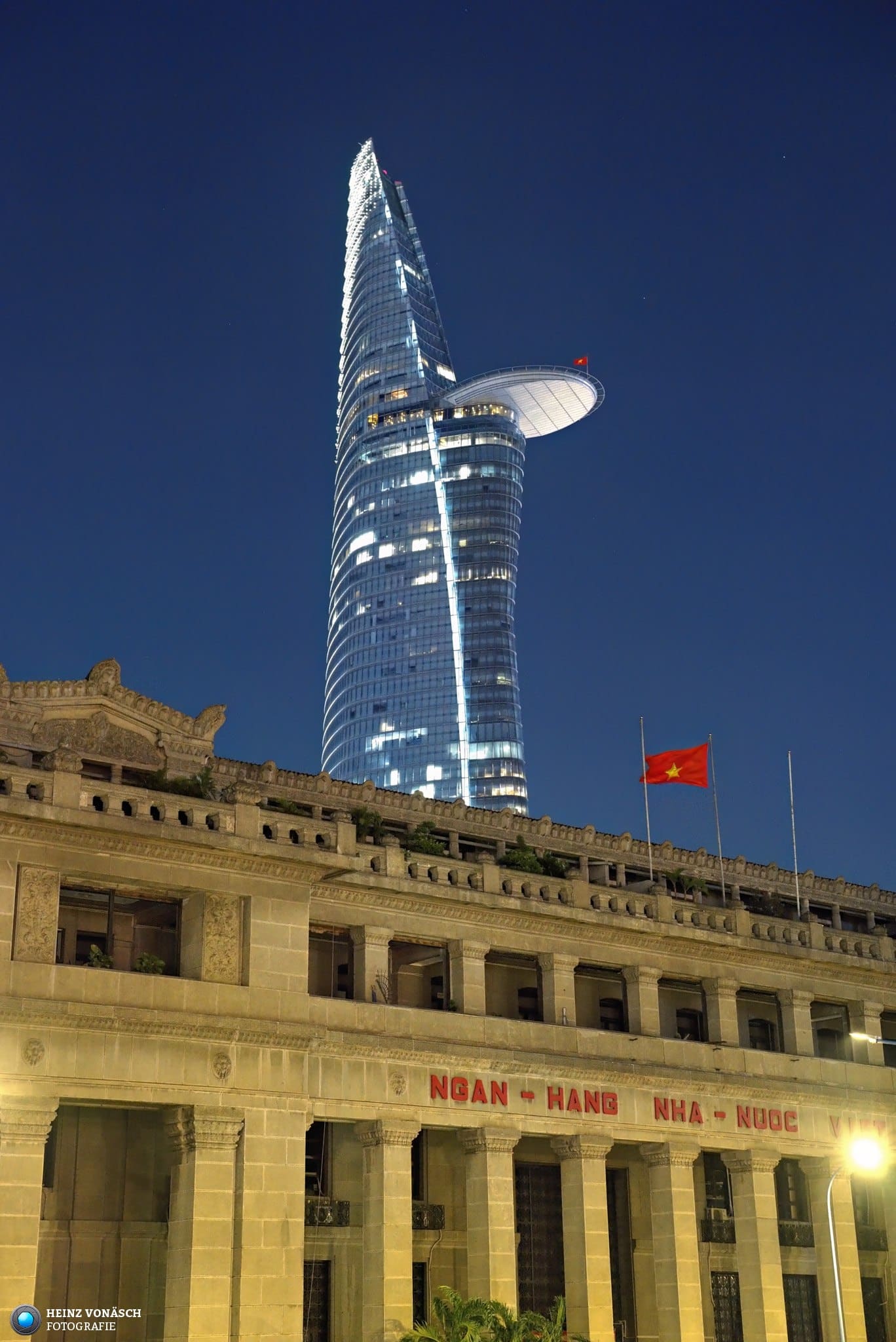
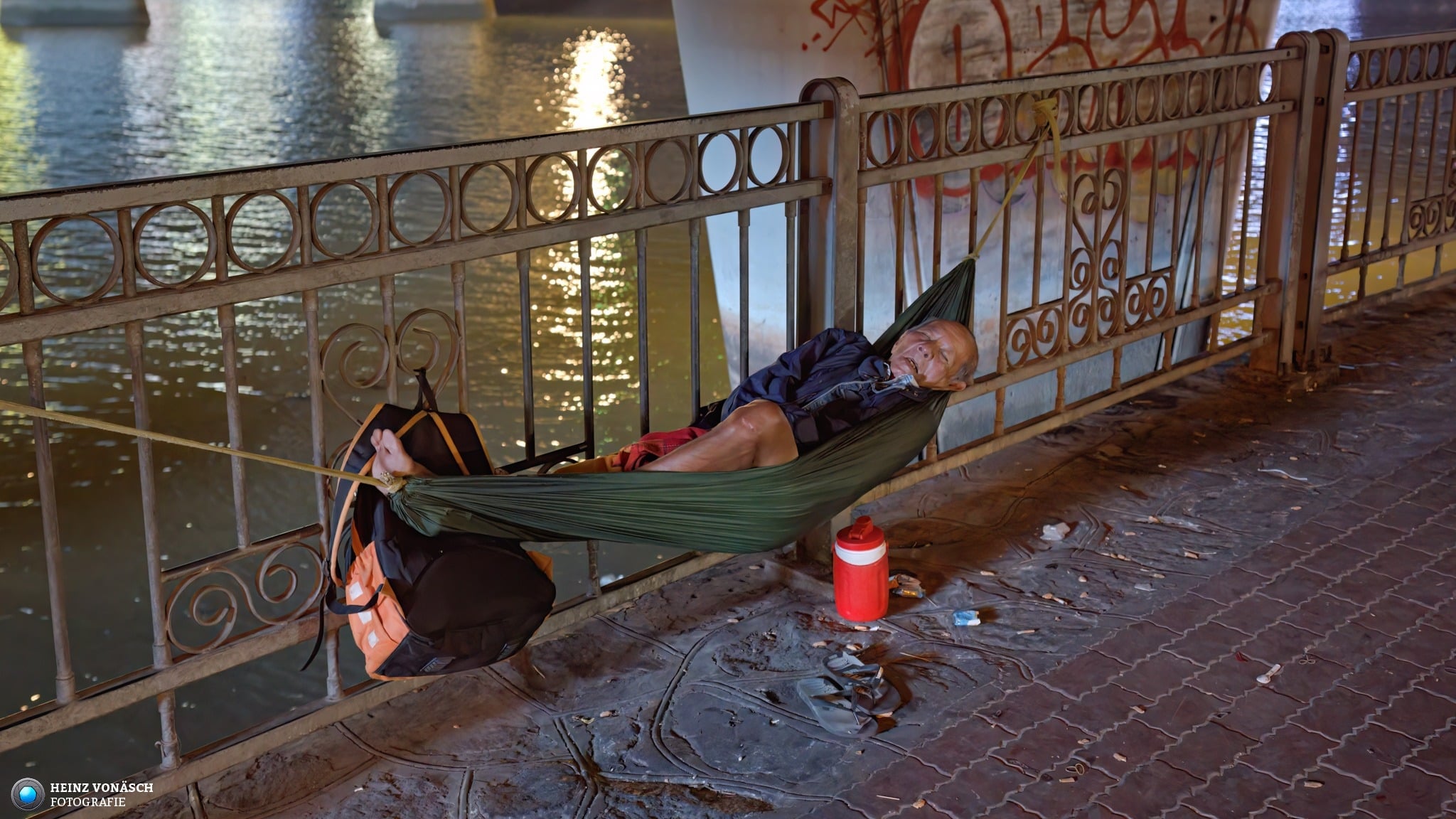
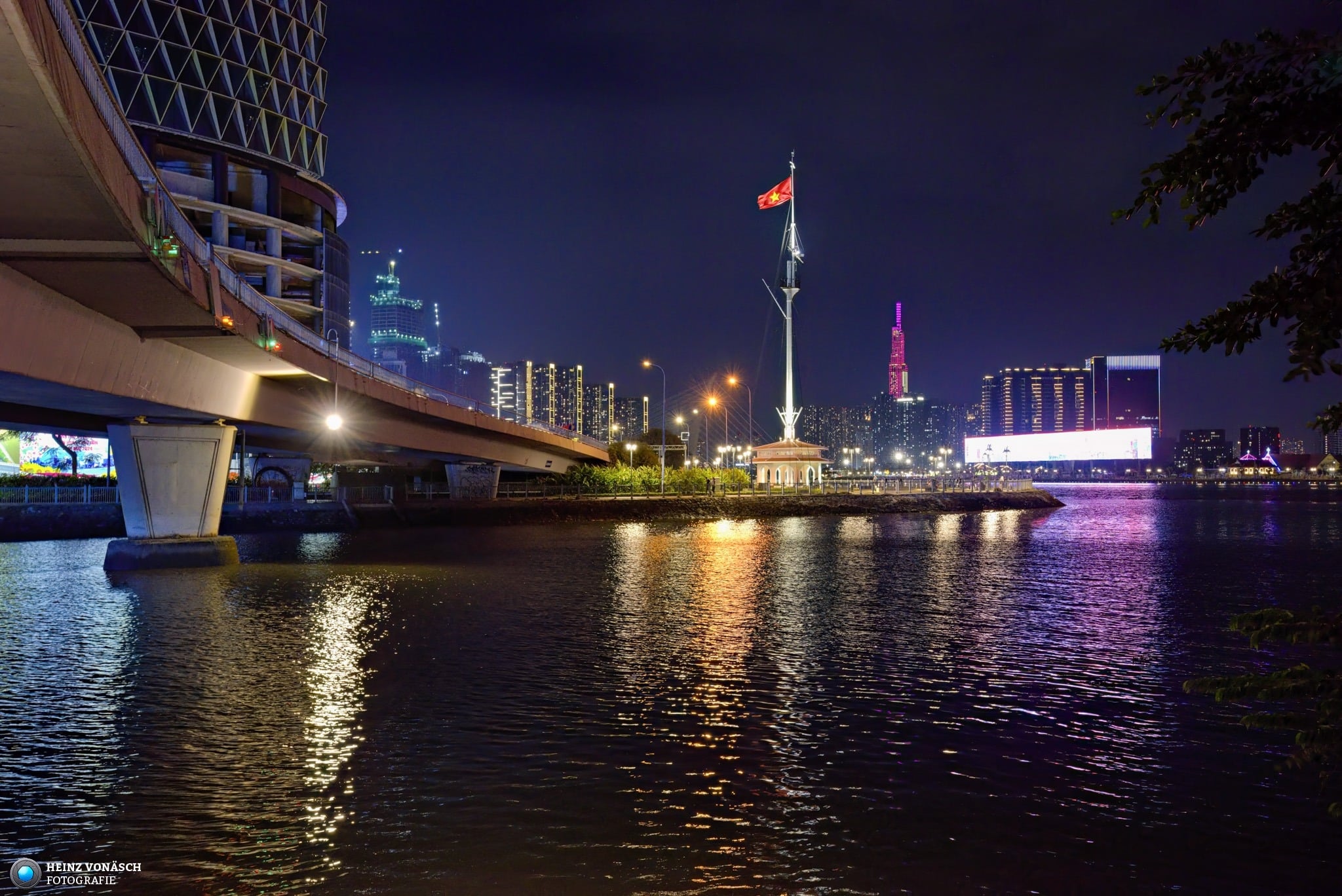
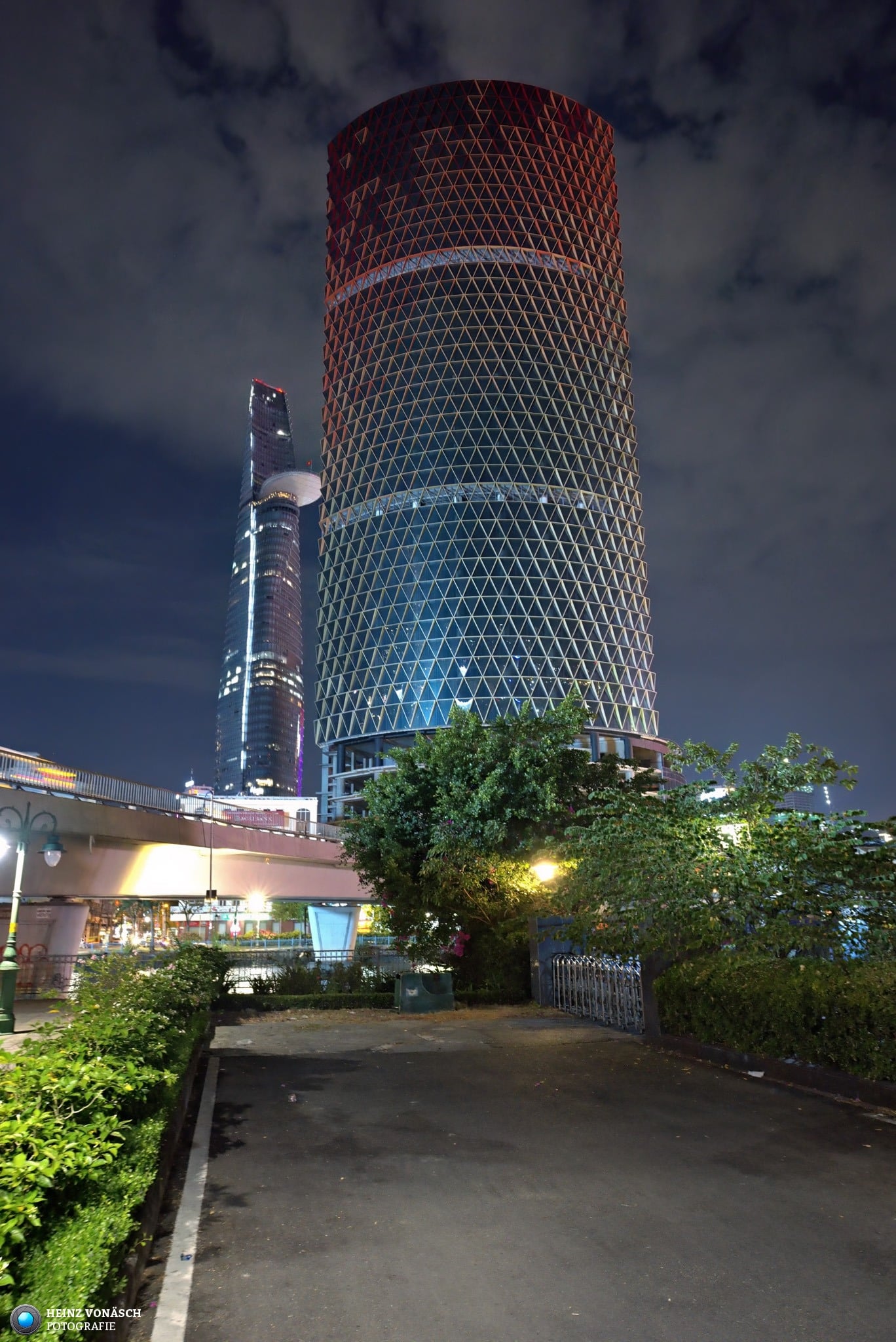
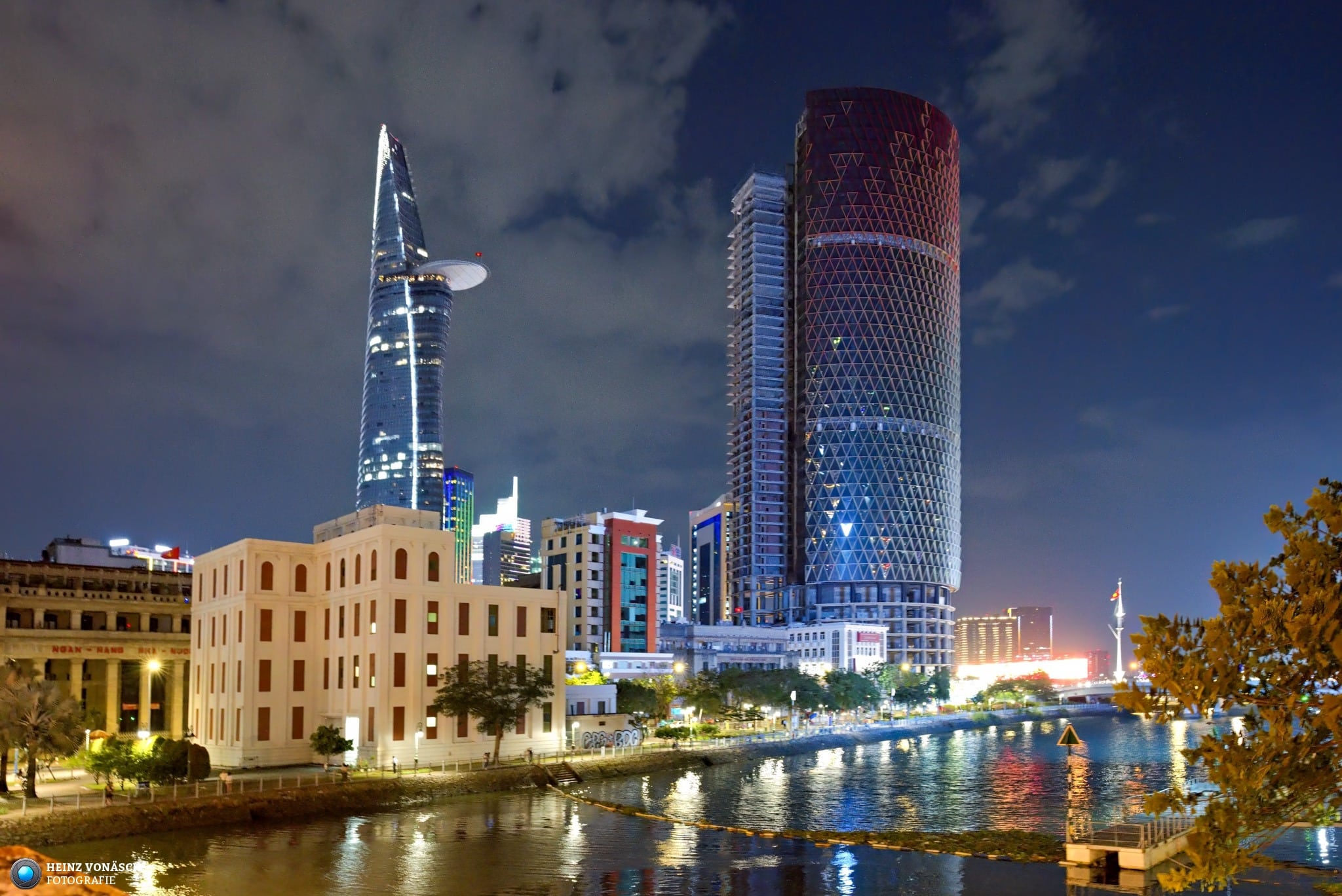
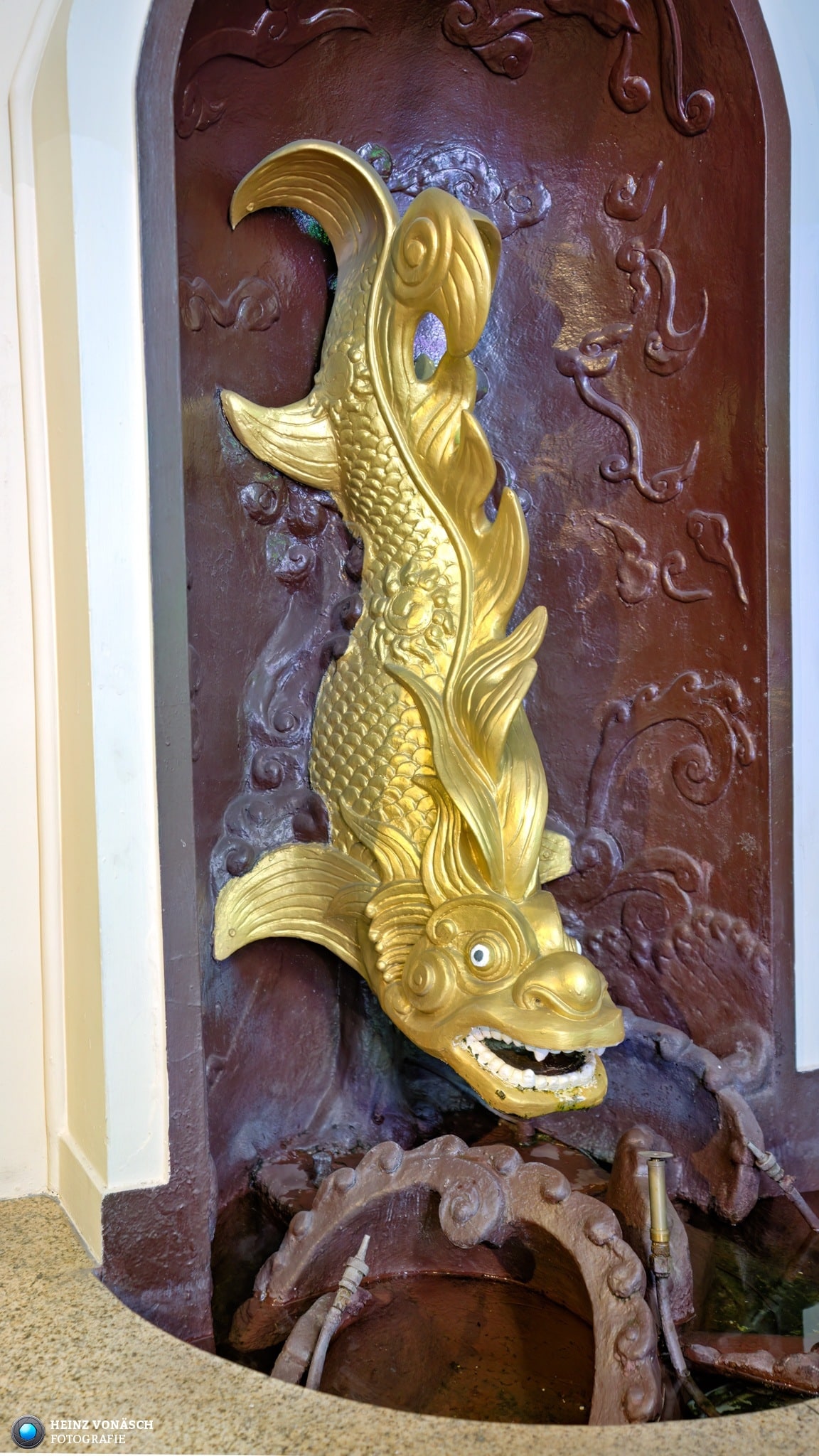
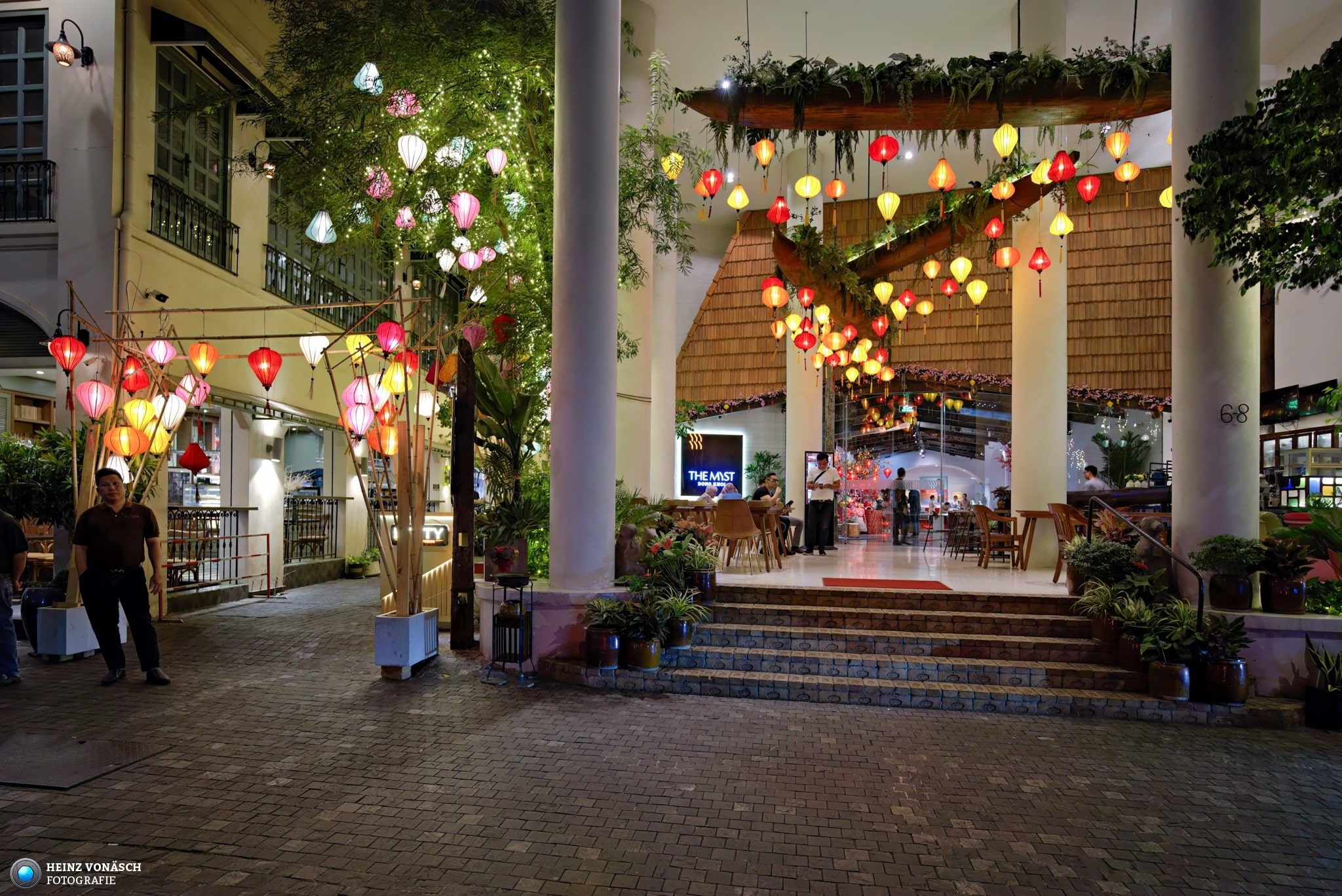
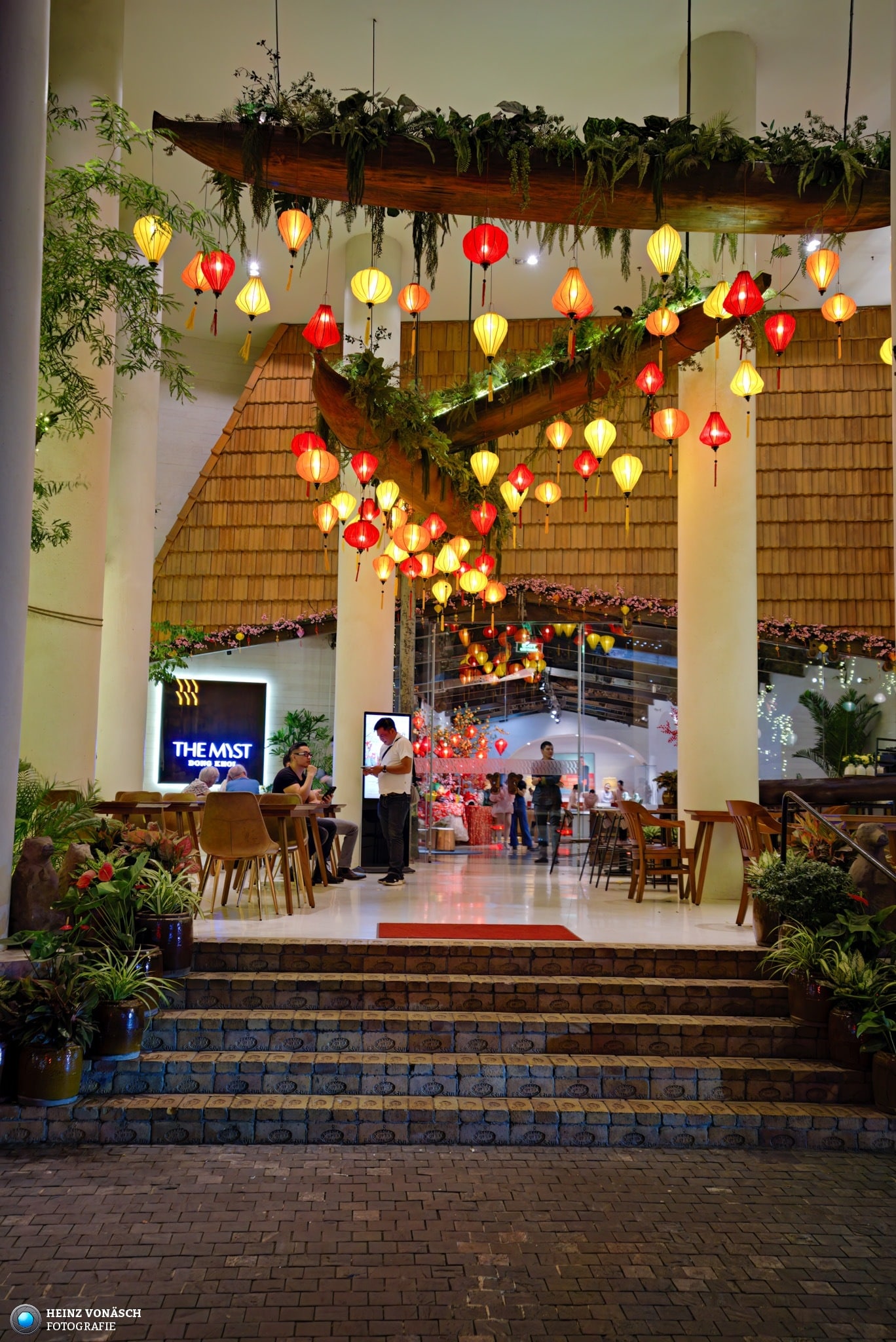
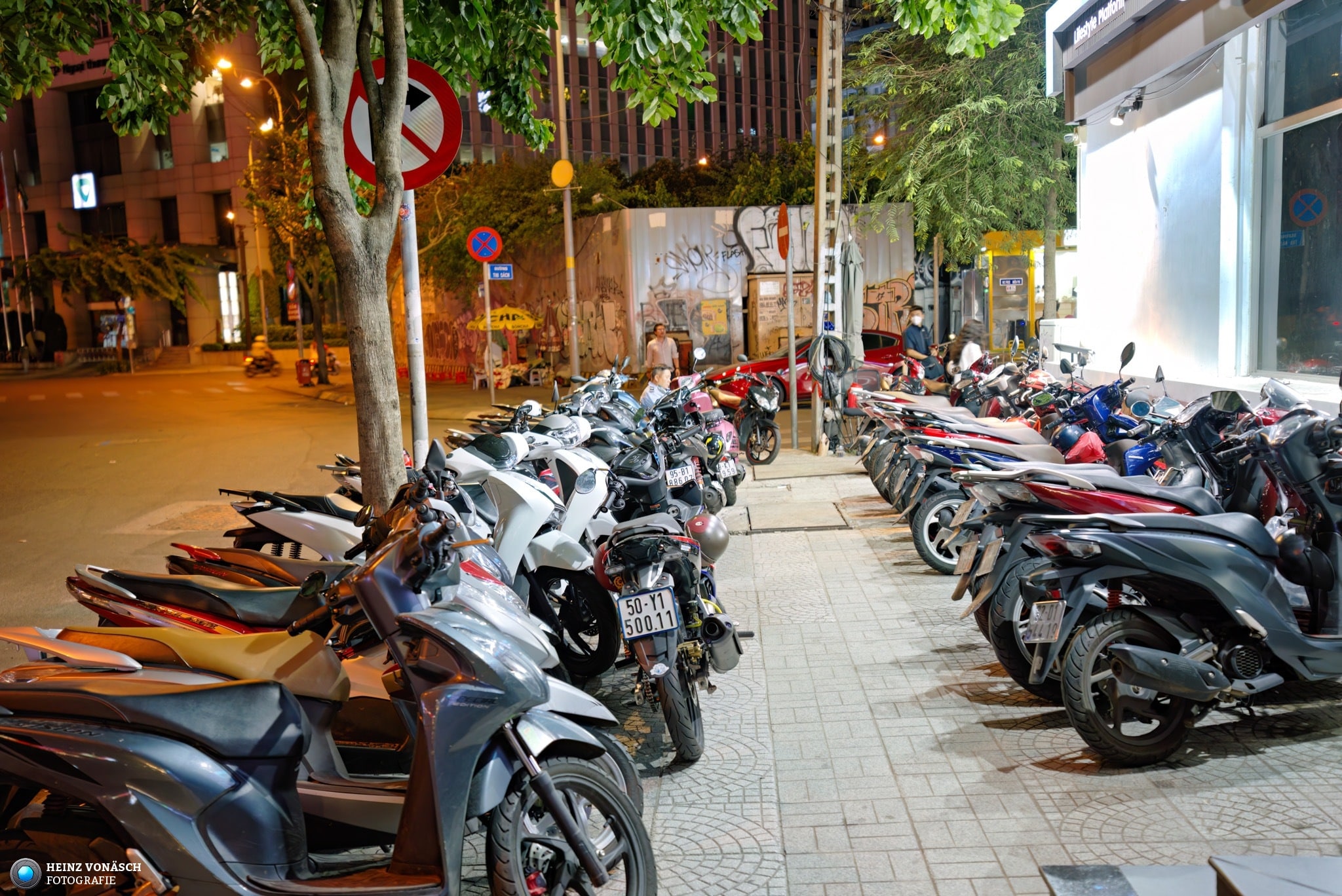
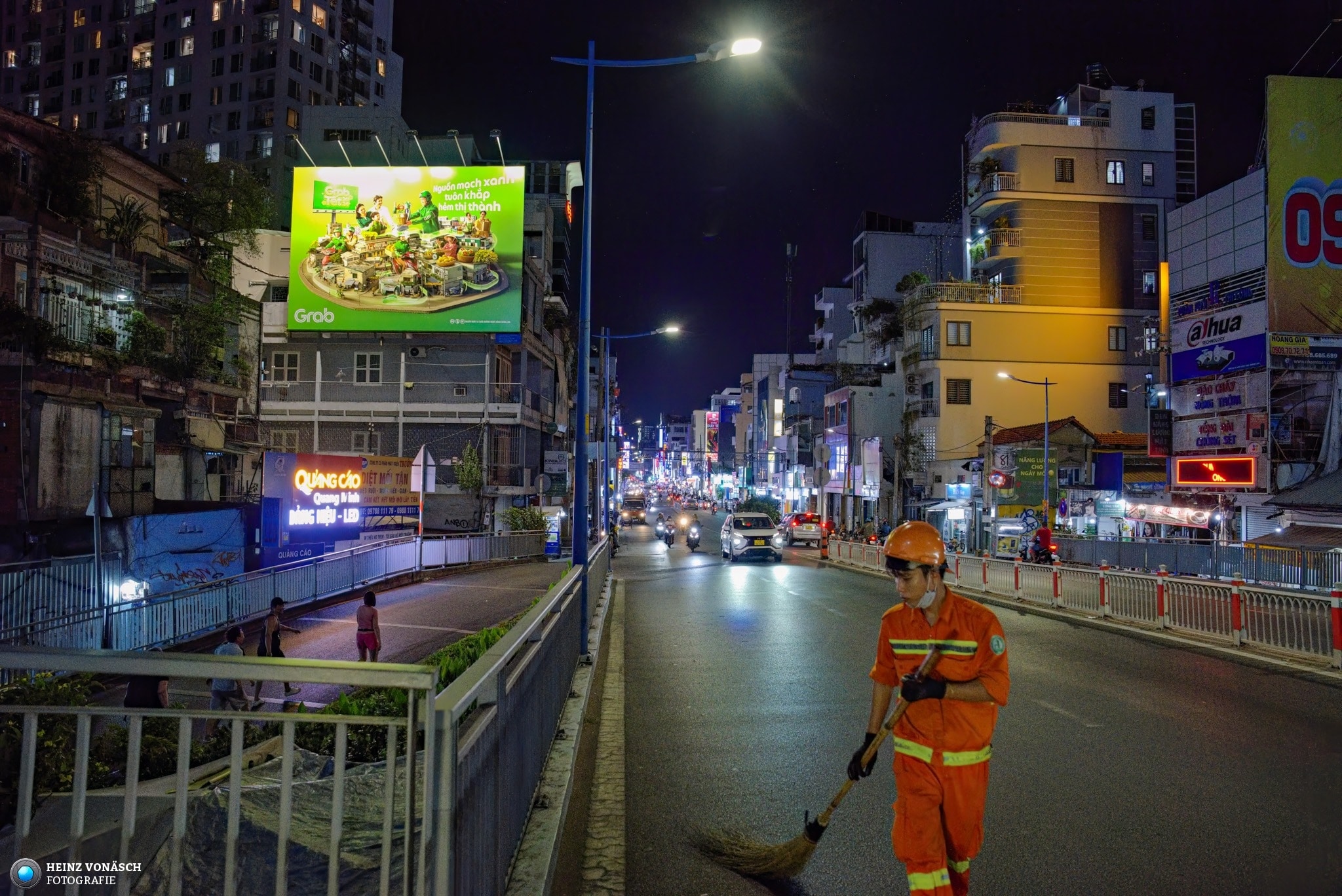
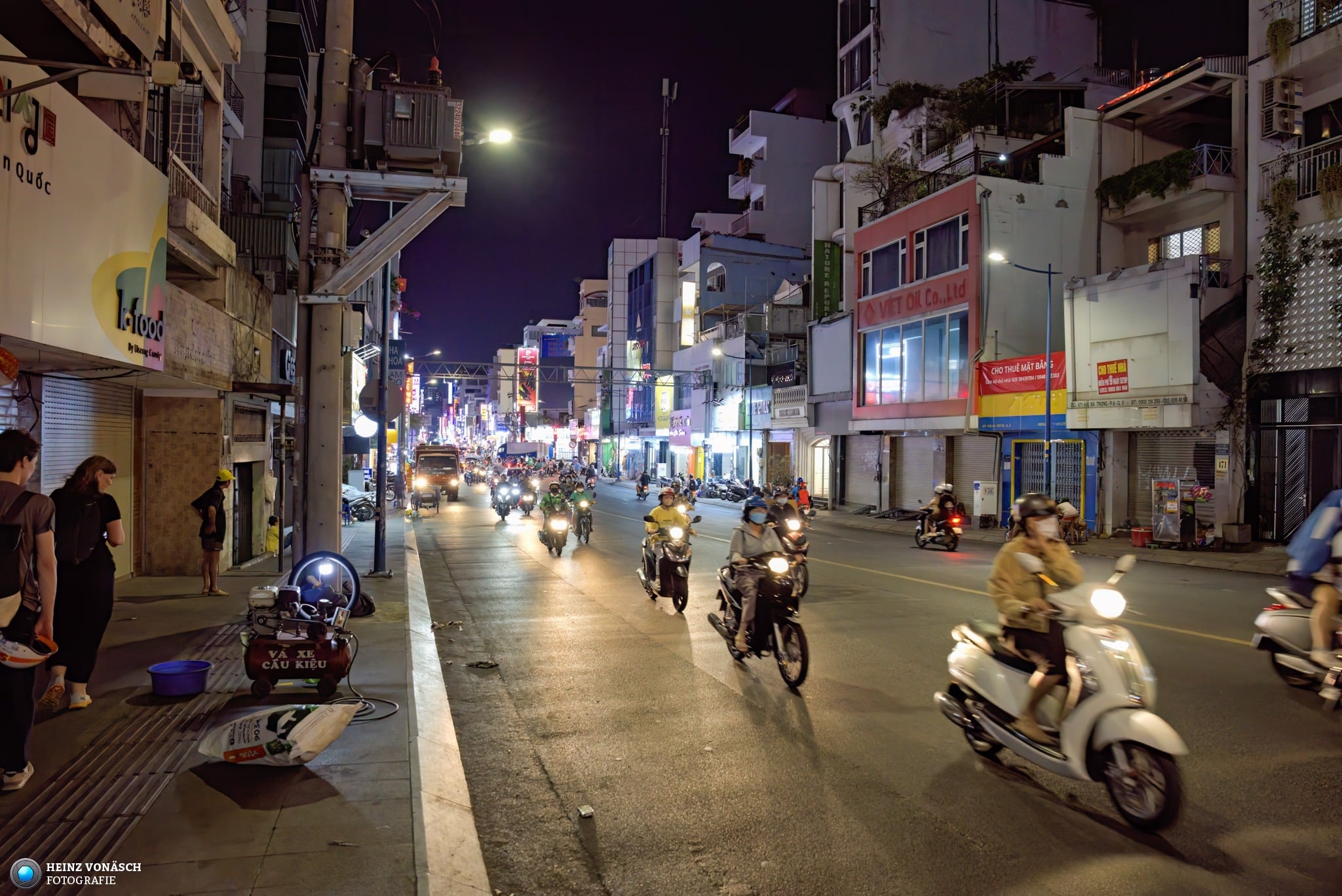
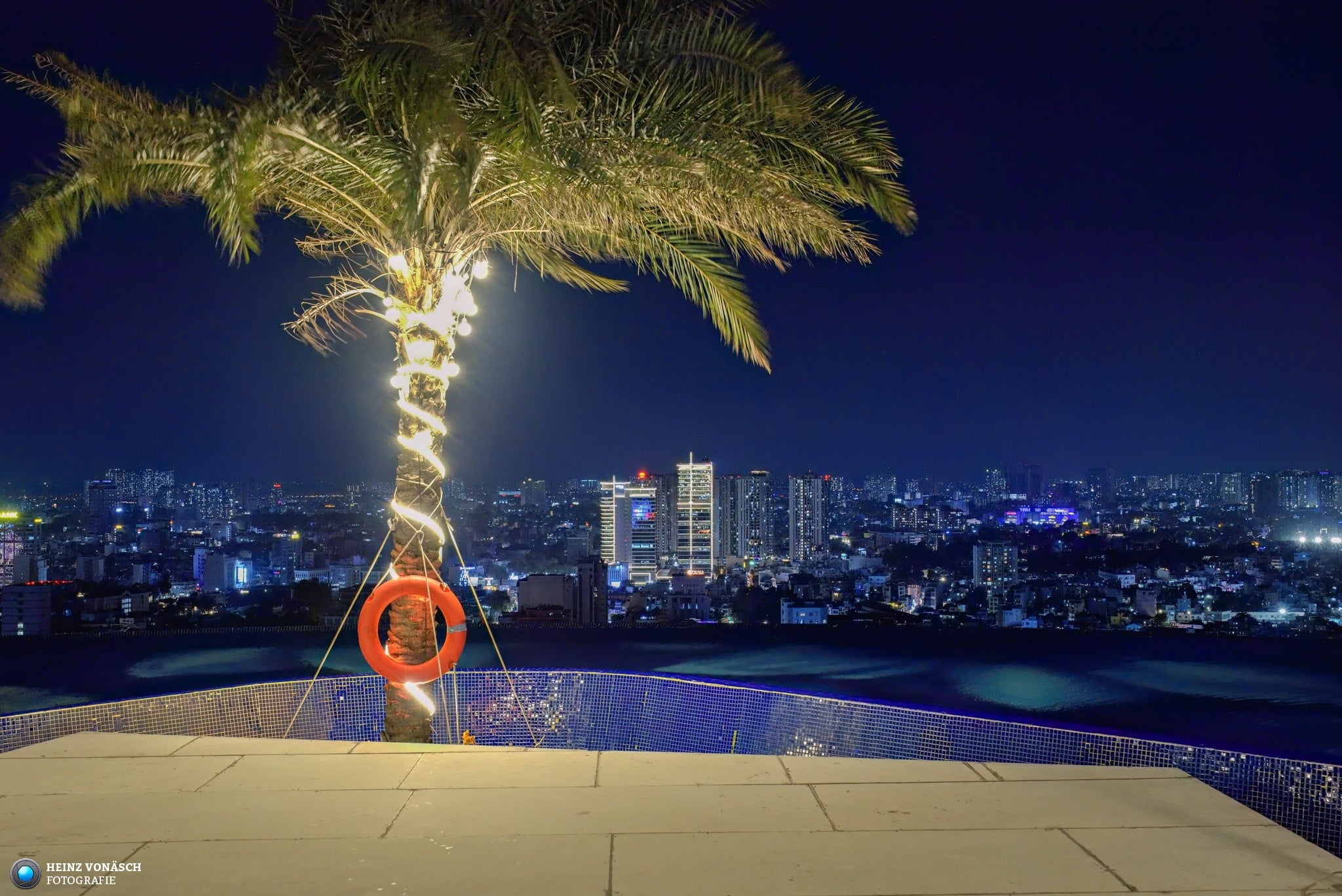
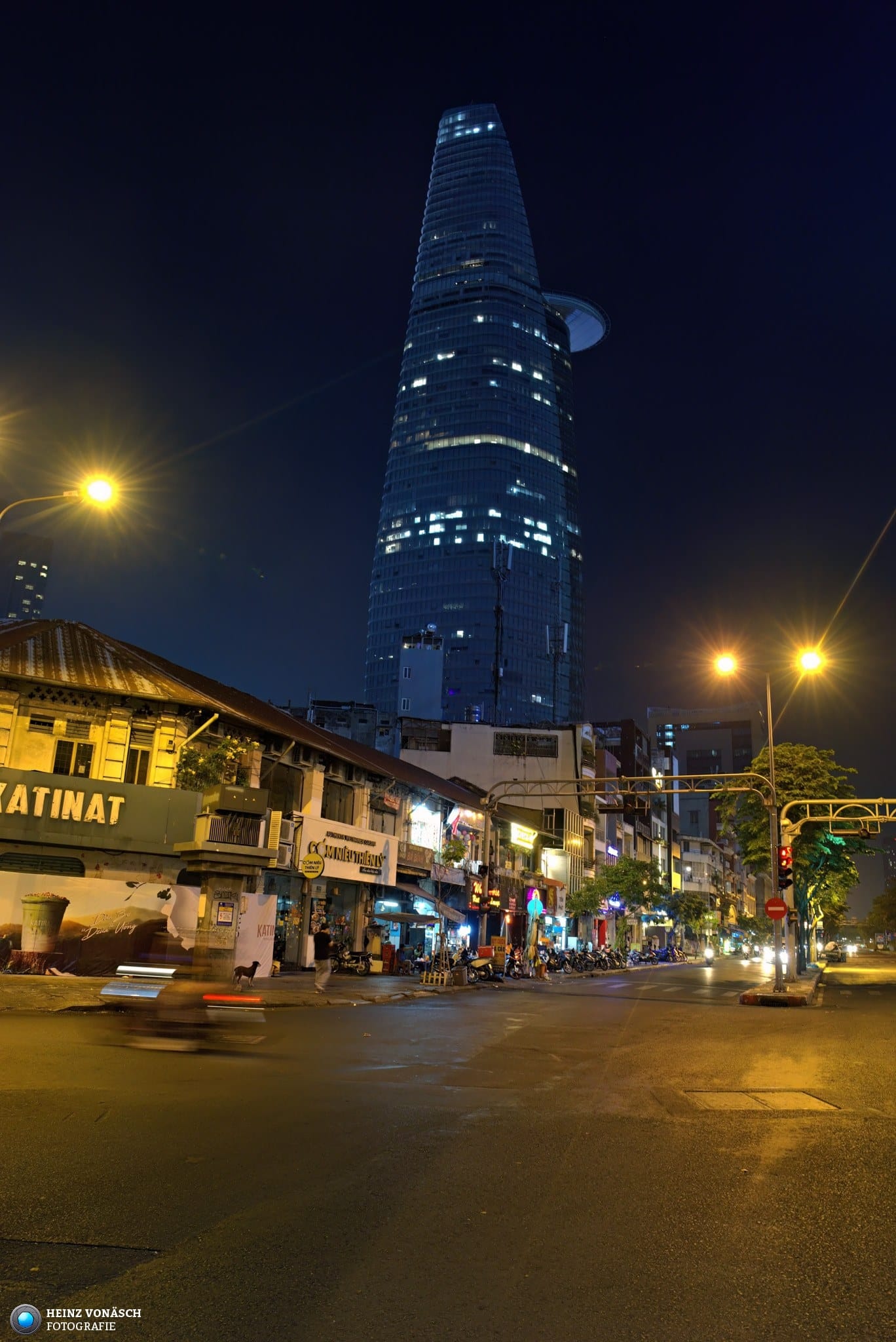
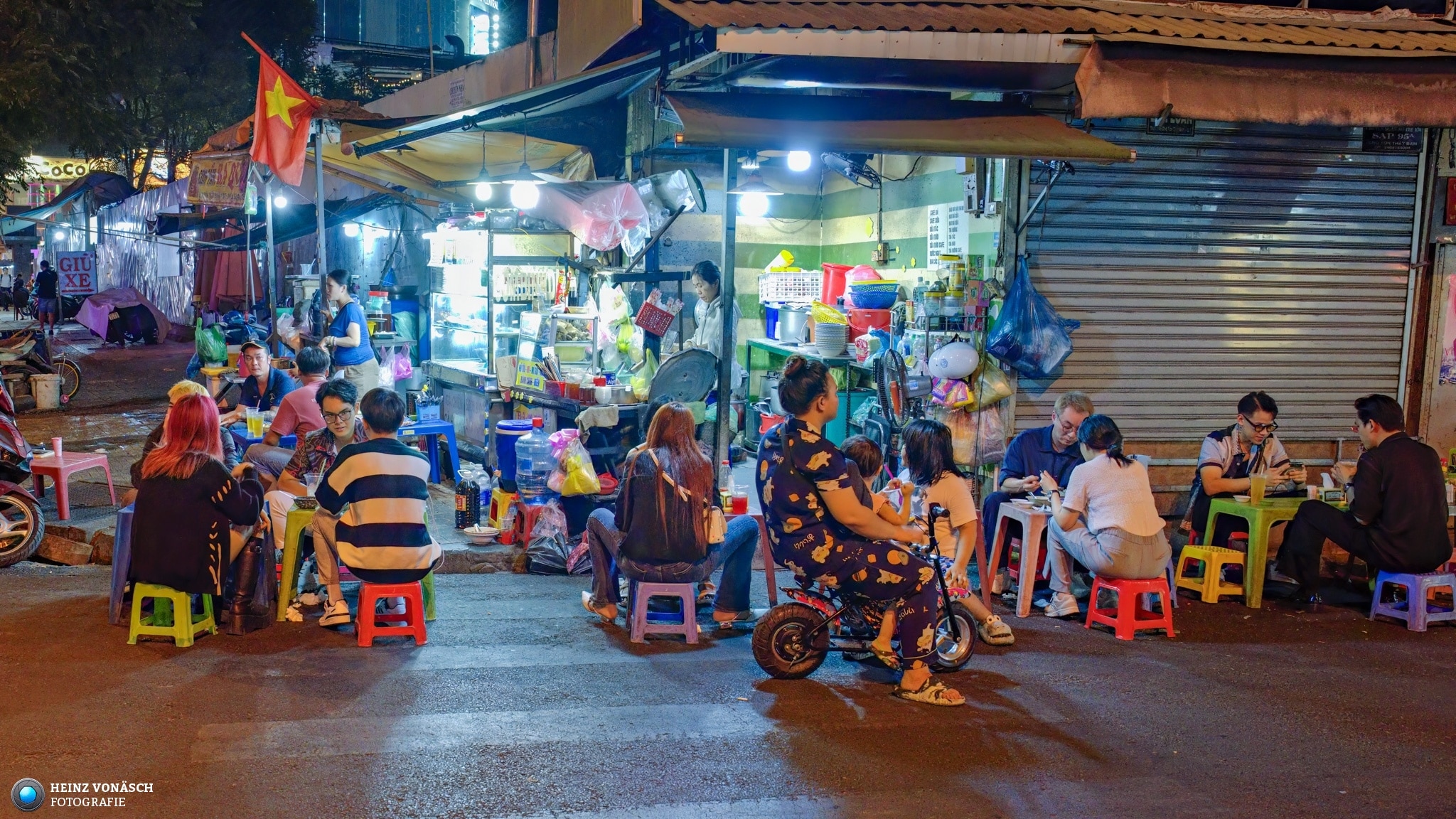
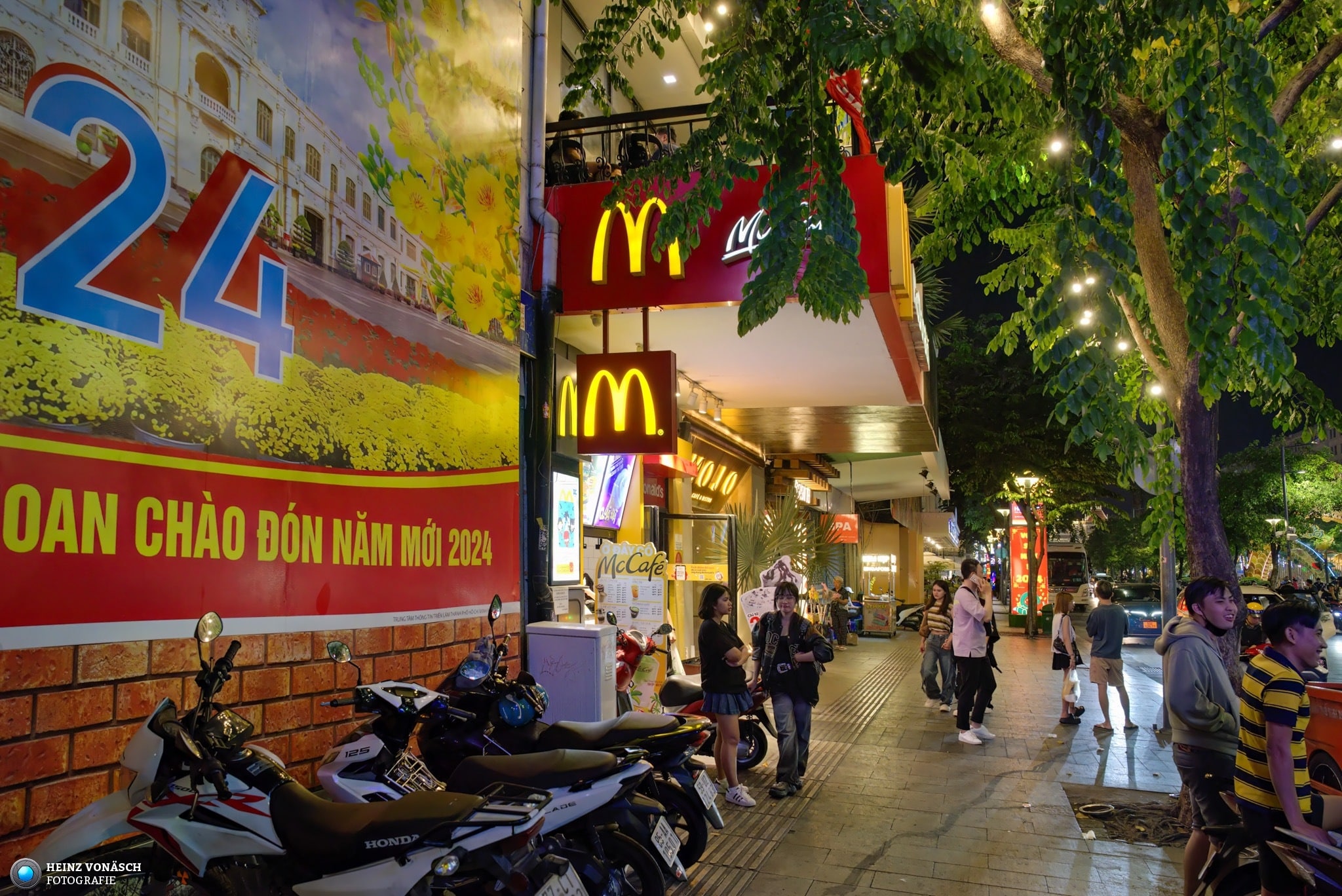
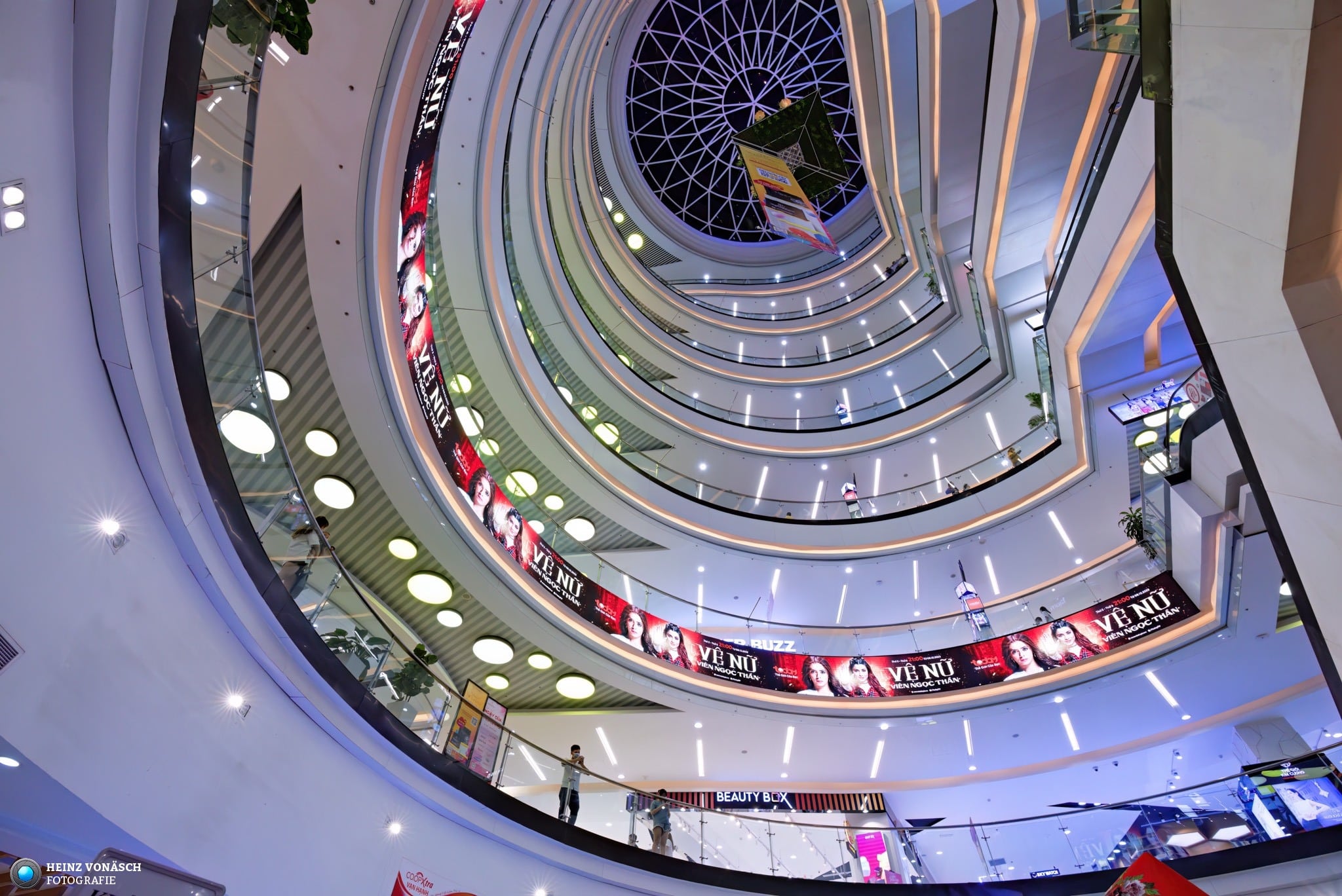
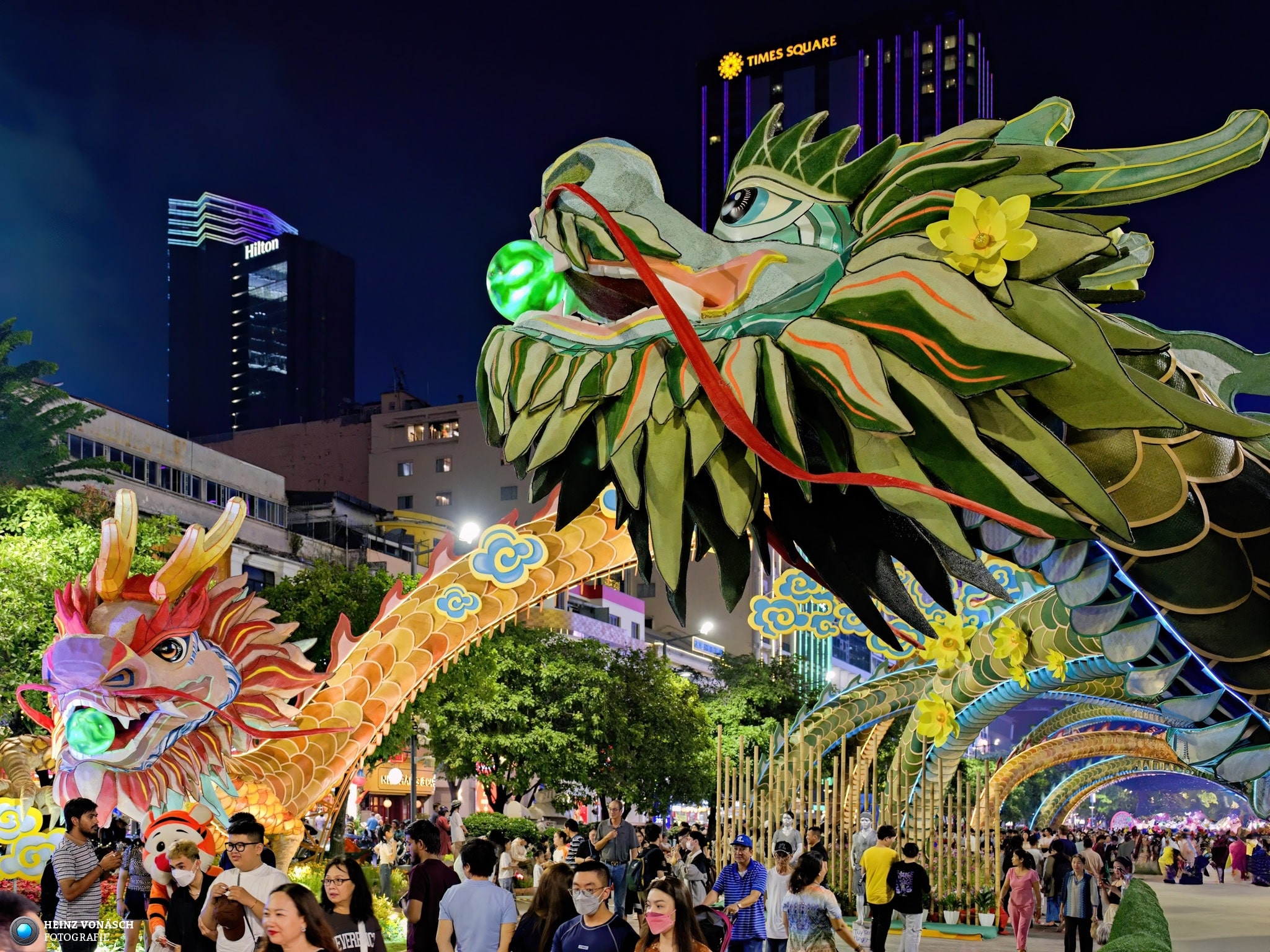
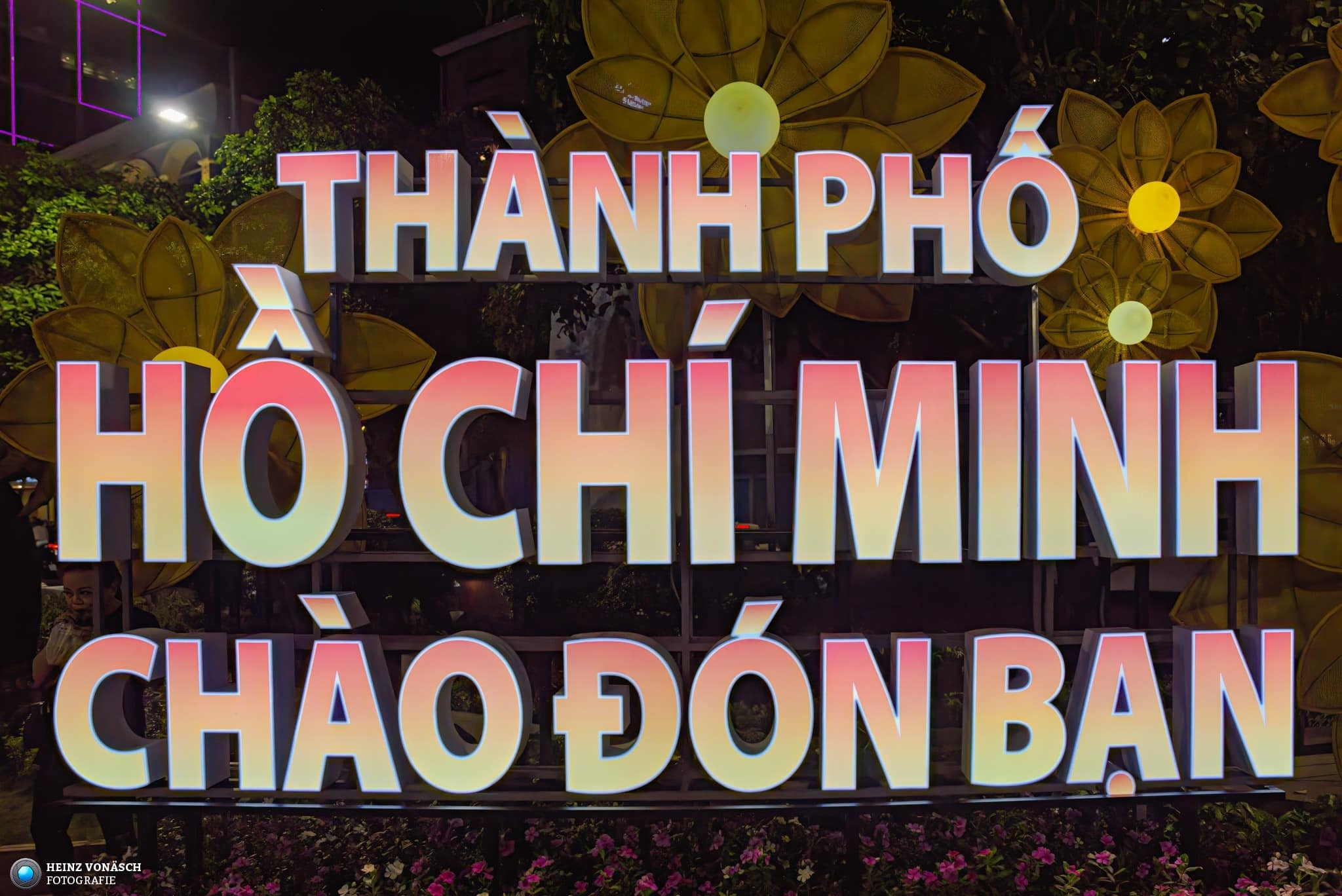
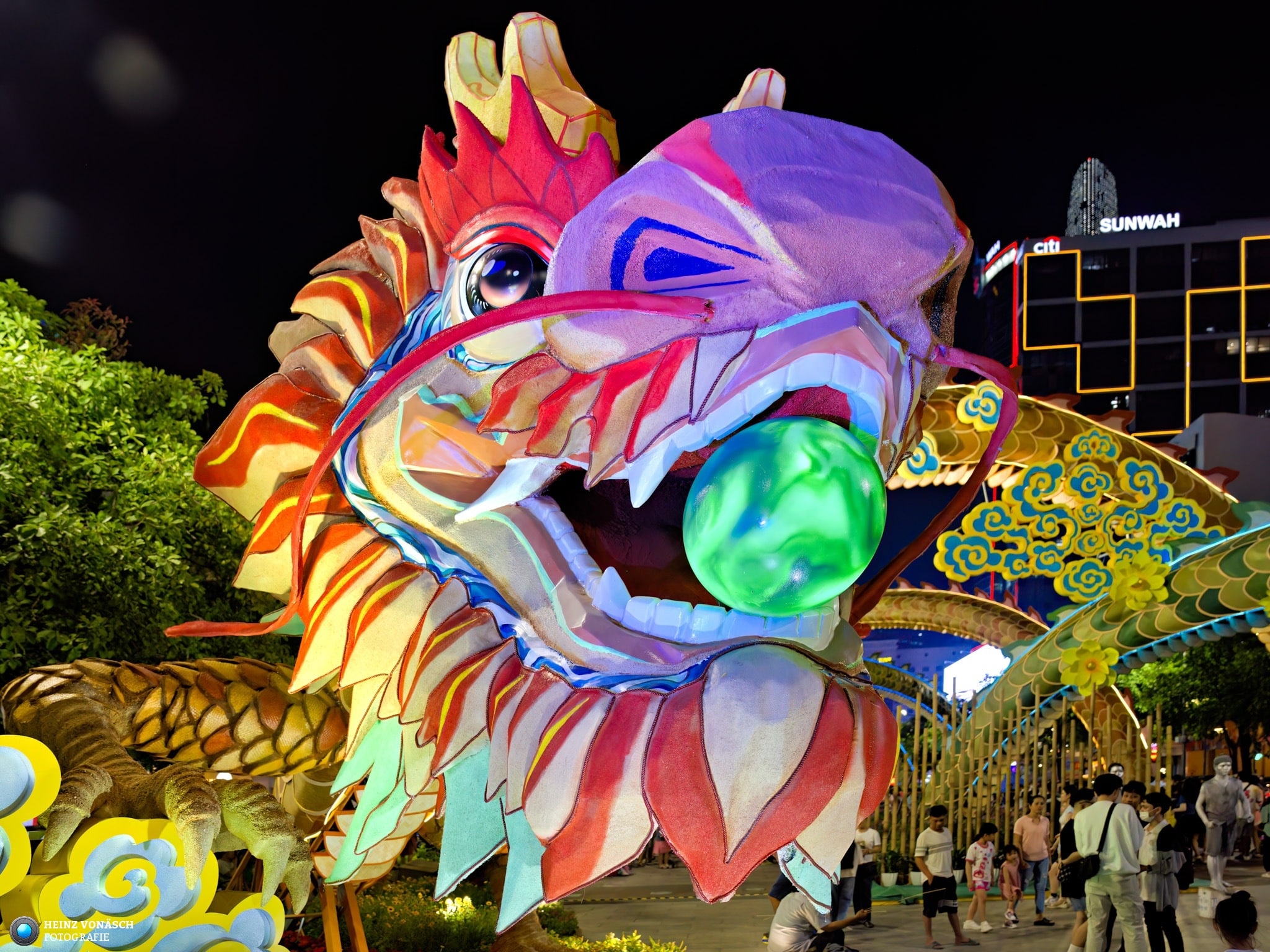
Ho Chi Minh City (Vietnamese: Thành phố Hồ Chí Minh) is the largest city and economic center of Vietnam. Under its former name Saigon (Sài Gòn), which is still used alongside Ho Chi Minh City, it was the capital of the Republic of Vietnam until April 1975. Following the withdrawal of US troops and the military defeat of the South Vietnamese government, the city was renamed in 1976 after the North Vietnamese leader Ho Chi Minh, who had died in 1969. Approximately 8.9 million people live in the city’s administrative area (2019 census).
With the exception of the urban core, Ho Chi Minh City does not have a contiguous urban area. Rather, with its predominantly rural settlement structure outside the core, it is more comparable to a small, densely populated province.
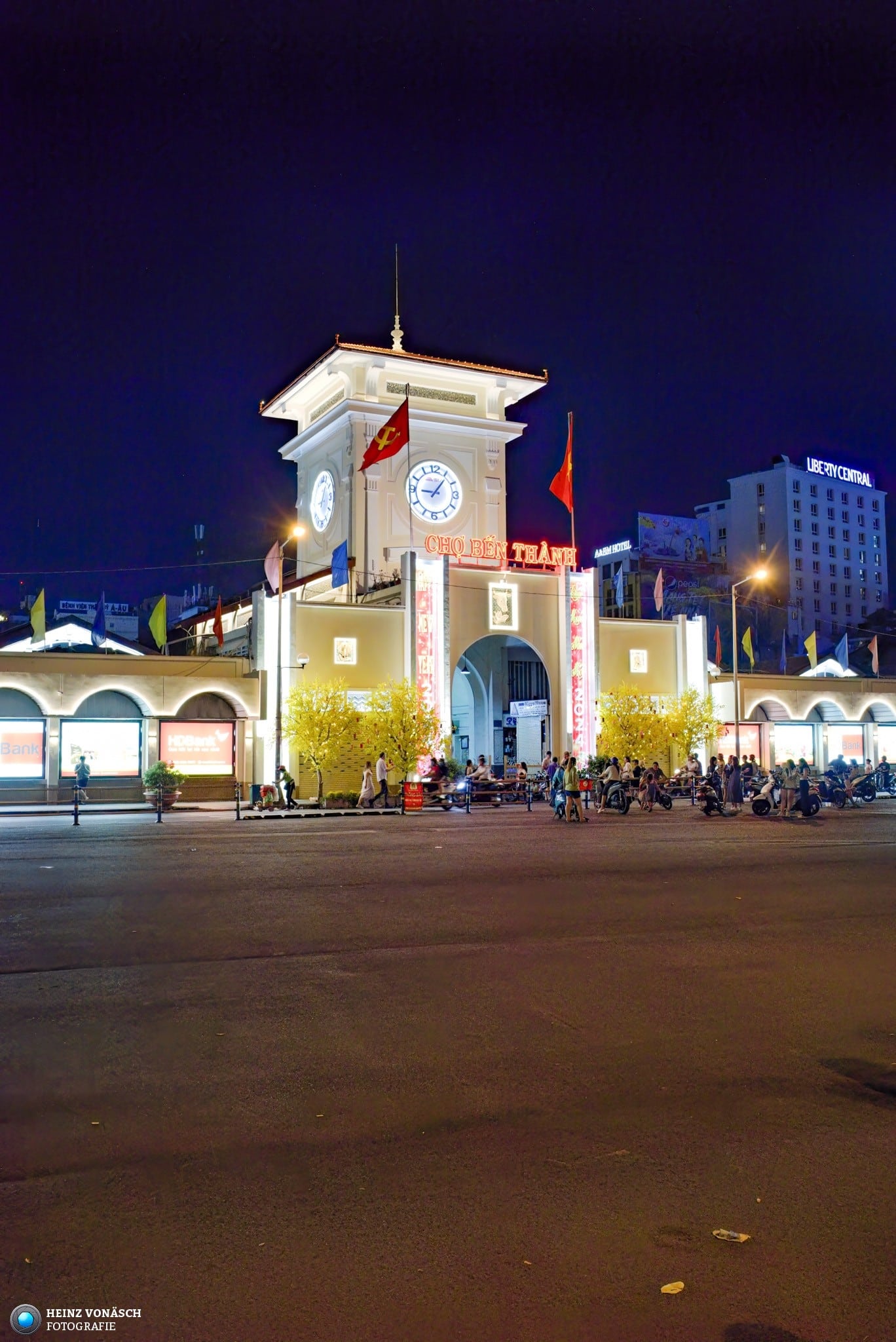
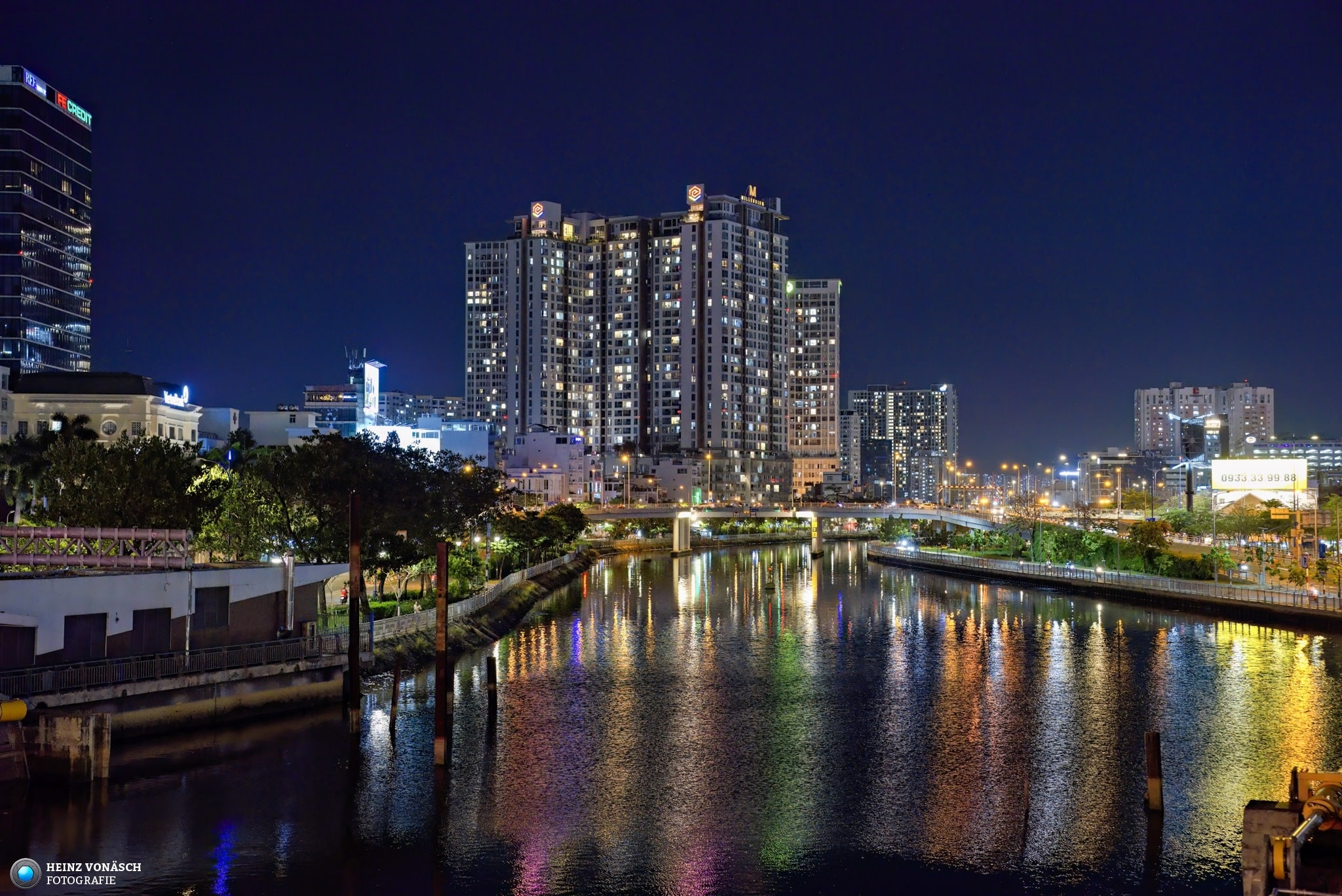
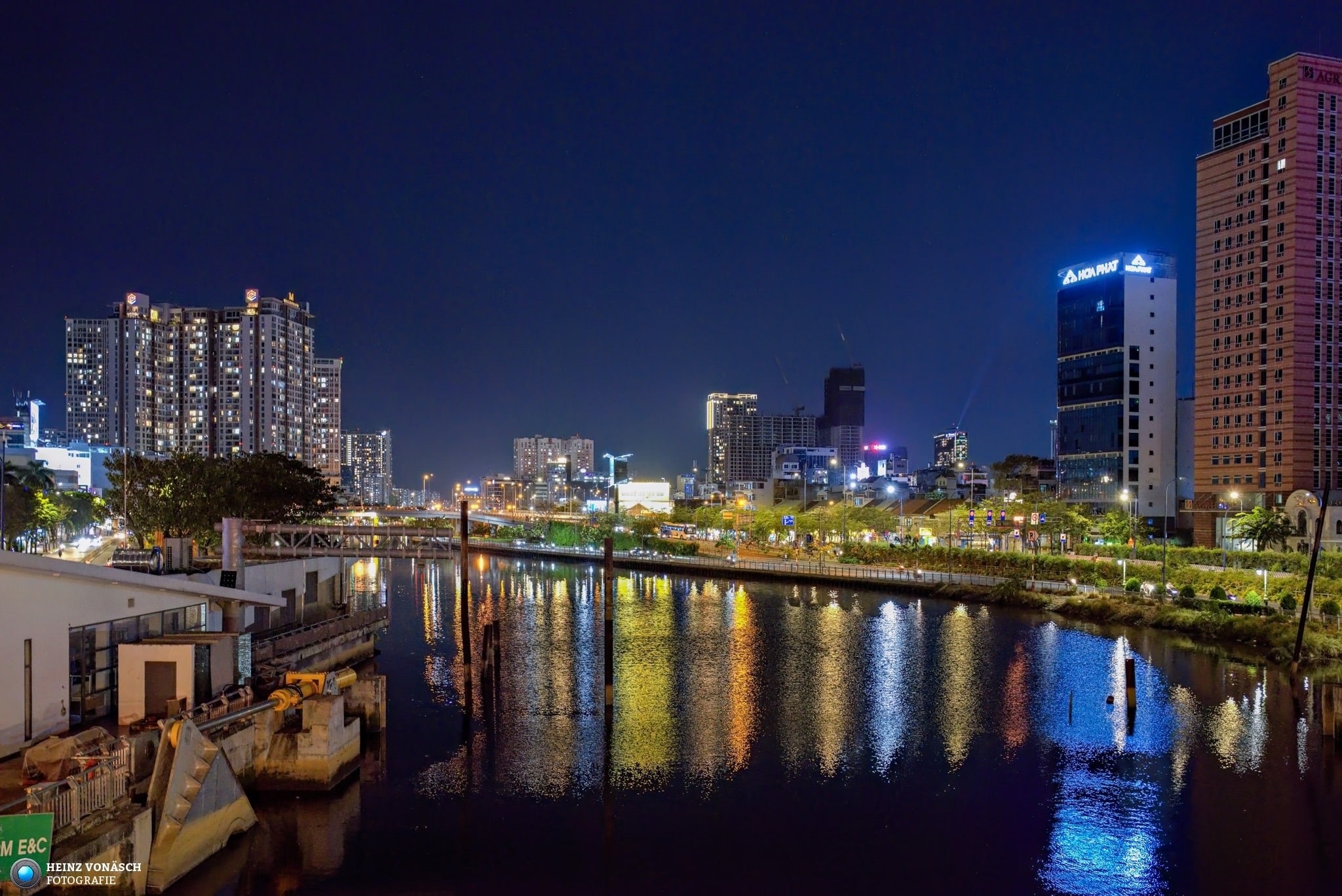
The city lies slightly north of the Mekong Delta on the right bank of the Saigon River. It is an industrial city, transport hub and cultural center with universities, theaters, cinemas, museums, historic buildings and parks.
Ho Chi Minh City
With the exception of the urban core, Ho Chi Minh City does not have a contiguous urban area. Rather, with its predominantly rural settlement structure outside the core, it is more comparable to a small, densely populated province.
The city lies slightly north of the Mekong Delta on the right bank of the Saigon River. It is an industrial city, transport hub and cultural center with universities, theaters, cinemas, museums, historic buildings and parks.